










Solid Round Copper Braid: Surging Demand Across Multiple Sectors Drives A High-end Expansion Cycle For Flexible Copper Interconnects
Oct 03, 2026
Leave a message
The domestic copper processing sector is undergoing a structural upgrade. Rapid expansion across four key tracks-energy storage, high-voltage new energy vehicles (NEVs), AI computing infrastructure, and wind/solar energy-is driving steady growth in demand for core electrical components such as flexible copper interconnects, copper foil flexible links, insulated flexible busbars, and Solid Round Copper Braids. The industry has moved beyond the crude competitive model based on raw material price spreads and entered a value-driven upgrade phase characterized by precision engineering, application-specific customization, strict quality compliance, and green, intelligent manufacturing, offering ample room for market growth.
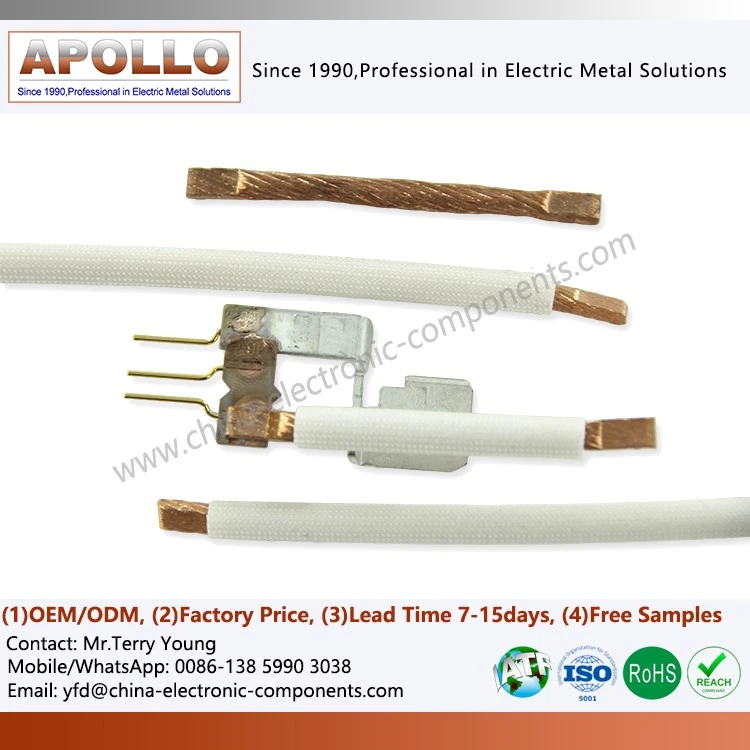
Rising prosperity in downstream sectors drives sustained industry demand
1. Energy storage installations hit record highs; industry entry standards tightened
New energy storage projects are coming online rapidly in China, with installed capacity steadily rising as the industry accelerates its transition to 1500V high-voltage platforms. Traditional copper busbars and standard braided wires suffer from significant performance limitations and cannot meet the demands of high-voltage energy storage operations; consequently, they are being replaced by customized products such as multi-layer laminated copper foil flexible links, integrated insulated flexible busbars, and high-precision Copper Braided Wires. Meanwhile, bidding thresholds for energy storage projects have risen sharply, introducing rigorous mandatory requirements. Small and medium-sized manufacturers with rudimentary processes and weak quality control are gradually exiting the mid-to-high-end market. High-quality orders are increasingly concentrated among leading enterprises capable of precision welding, standardized mass production, and end-to-end quality control, signaling a clear trend toward industry standardization and quality improvement.
2. Industry trade shows signal key trends: High-voltage systems and lightweighting
Industry exhibitions have highlighted the direction of technological evolution: the penetration rate of 800V high-voltage vehicles is climbing rapidly, significantly boosting demand for flexible copper interconnects in both the vehicle chassis and battery modules, while requirements for product precision and stability continue to tighten. As equipment lightweighting and integration become mainstream, high-voltage core components cannot be replaced by low-cost alternatives; consequently, high-purity copper flexible interconnects and Latching Relay Copper Braids have secured a solid position as essential supporting components. Meanwhile, downstream purchasers have completely abandoned the logic of low-price procurement, focusing instead on evaluating a company's customization responsiveness, quality consistency, and green production credentials; the industry has fully entered a stage of value-based competition.
3. Iterative upgrades in core processes drive quality and efficiency improvements
The implementation of new processes-such as polymer diffusion welding and rivet-free multi-layer composite forming-has resolved the drawbacks of traditional welding, such as uneven conductivity and susceptibility to overheating or breakage. These new processes enable the seamless bonding of copper foils, reducing resistance, enhancing efficiency, and increasing structural strength. Now a standard feature for mid-to-high-end products, they are perfectly suited for the complex, dynamic operating conditions of energy storage and rail transit systems, while also significantly boosting the conductivity and structural stability of Flexible Copper Connectors. Simultaneously, increasingly stringent green supply chain regulations-covering requirements like halogen-free flame retardancy and eco-friendly plating-are forcing the industry to phase out outdated capacity and driving the copper processing sector toward a transition characterized by precision and sustainability.
4. Rapid deployment of computing infrastructure opens up a vast new market
The rapid nationwide rollout of computing infrastructure-involving high-end equipment like AI servers and liquid-cooled cabinets that operate under rigorous conditions and require substantial materials-has significantly boosted demand for ultra-thin copper foil flexible connectors, precision copper braided grounding straps, and Pure Copper Braids. These computing accessories must meet micron-level precision standards; while the high-end market has long been dominated by overseas brands, there is immense potential for domestic substitution, making this a key area for breakthroughs by local enterprises.
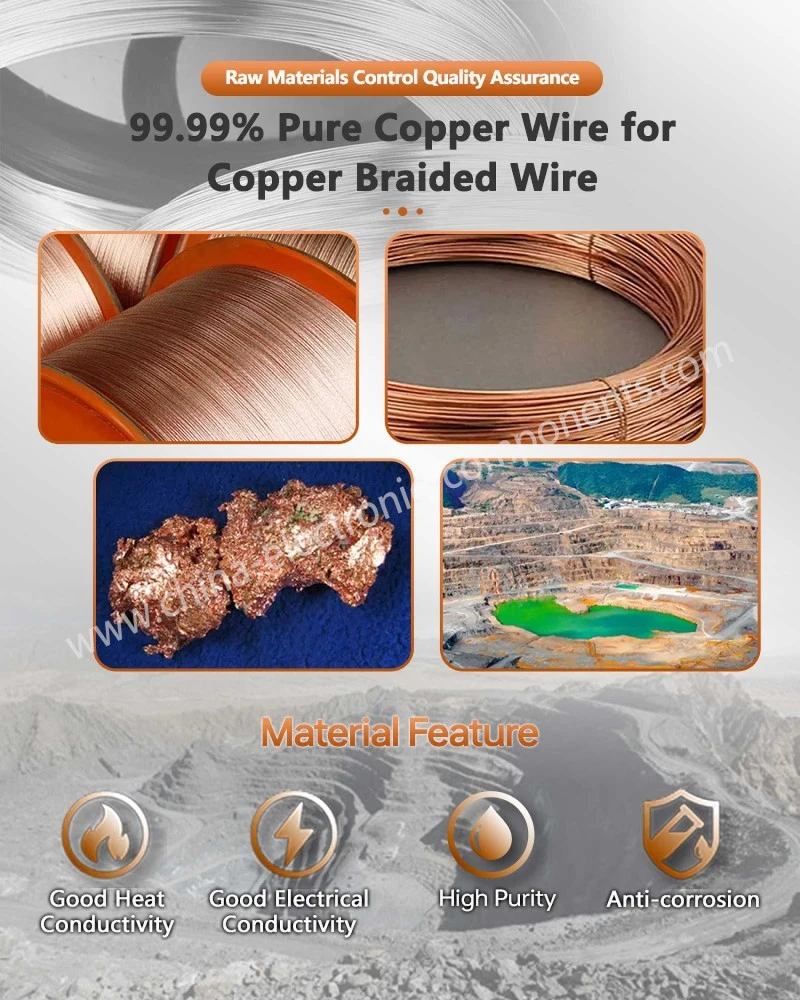
Deep restructuring of the industry landscape: Four core trends emerge
The industry has moved decisively away from the model of extensive, low-quality expansion, and the logic of competition has undergone a complete evolution. Four core trends now dominate the long-term development of the industry.
First, scenario-specific customization is replacing standardized mass production. Operating conditions vary significantly across downstream sectors, rendering generic products unsuitable for niche requirements. Consequently, demand is rising for flexible copper components-such as Bare Copper Braids-customized for high-voltage, high-precision, and high-frequency applications. Companies capable of flexible customization and rapid implementation are capturing top-tier orders, while capacity characterized by product homogenization is being rapidly phased out.
Secondly, end-to-end quality control has become a prerequisite for entering the high-end market. High-end tenders for complete vehicles, energy storage systems, and rail transit equipment all require comprehensive testing data. Enterprises possessing standardized production lines and robust testing systems can precisely meet the demanding operational requirements of various high-end sectors and rapidly implement customized solutions-including those incorporating Copper Braid for Latching Relays.
Thirdly, the substitution of domestic products for high-end imports has entered a critical phase. While localization in the low-end market is nearing saturation, overseas brands still dominate high-end interconnect components for sectors such as computing power, automotive high-voltage systems, and high-power energy storage. This presents a window of opportunity for local enterprises to capture market share with high-end copper accessories like Copper Stranded Wires.
Fourthly, green and low-carbon practices have become mandatory assessment criteria. Driven by "dual-carbon" policies and international trade regulations, factors such as environmental compliance, carbon management capabilities, and scrap recycling efficiency have become core metrics for supplier evaluation, making green production capacity a key competitive advantage for industry leaders.
Breakdown of Core Market Segments: Significant Growth Potential
1. High-Voltage Components for New Energy Vehicles (NEVs): Steady Growth and Increasing Penetration
The market penetration of domestic 800V high-voltage NEV models continues to rise, accompanied by escalating safety standards. Traditional bare copper products are being phased out in favor of customized, high-insulation, and heat-resistant flexible copper foil connectors and Braided Flexible Wires; demand for these products is growing steadily, benefiting enterprises with high-quality mass production capabilities.
2. High-Voltage Energy Storage Components: Solid Demand and Continuous Order Flow
The energy storage industry remains highly buoyant. The rigorous operating conditions-characterized by long-term outdoor use and frequent high-current charging and discharging-impose extreme demands on interconnect components regarding flame retardancy, aging resistance, vibration resistance, and current-carrying capacity. There is robust demand for multi-layer laminated flexible busbars, thickened insulated copper connectors, and high-strength Flexible Copper Wire for Latching Relays, with concentrated project deliveries driving a continuous stream of new orders.
3. Precision Interconnects for Computing Power: A "Blue Ocean" Market and Key to Differentiation
Computing power infrastructure represents a prime "blue ocean" market, where the associated equipment demands high precision, conductivity, and heat dissipation capabilities from copper interconnect components. The ongoing rollout of domestic computing power projects continues to drive demand for precision ancillary products-such as Magnetic Latching Relay Copper Braids-helping local enterprises break free from cutthroat low-price competition and achieve differentiation.
4. Power and Rail Transit Support: Solidifying the Industry Foundation
Upgrades to next-generation power grids and the continuous evolution of rail transit systems generate steady, essential demand for flexible copper interconnect products. Rail transit equipment operates under complex conditions involving high-frequency vibration and fluctuating temperatures; given the high technical barriers and stable market landscape, Copper Braid for Relay Applications-engineered to withstand these rigorous environments-serves to solidify the industry's foundation.
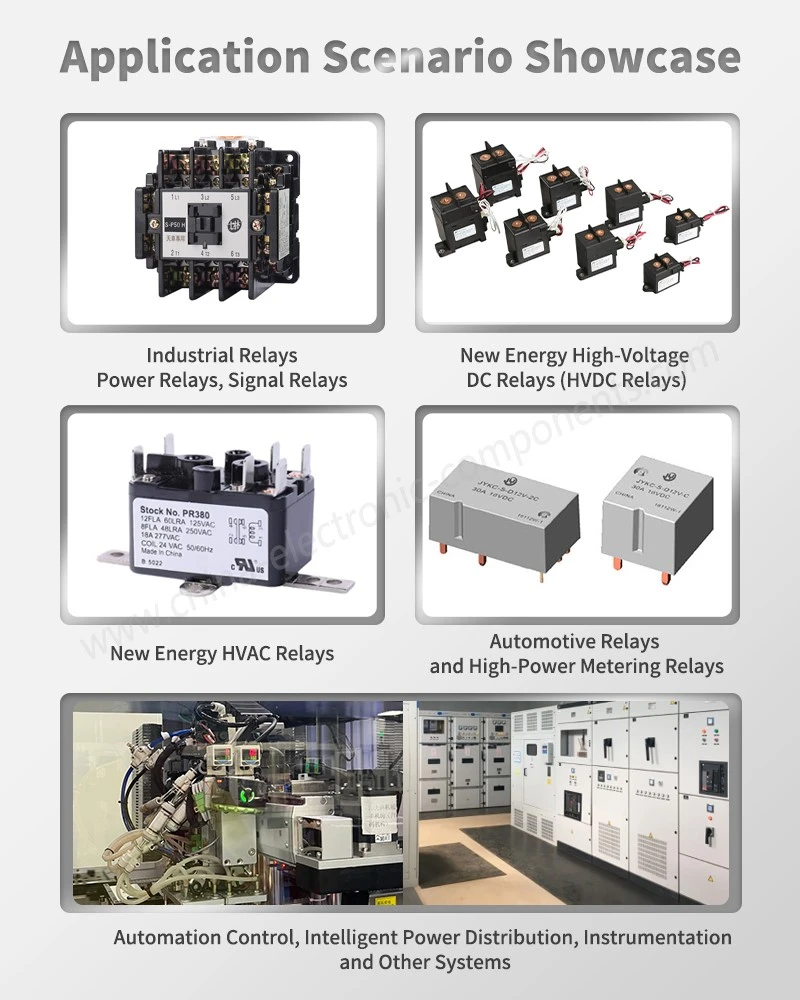
Analysis of Industry Pain Points and Pathways to a Breakthrough
The industry currently faces significant structural challenges, notably the homogenization of the low-end market and destructive low-price competition. Small and medium-sized manufacturers often struggle with outdated processes, inadequate quality control, and inconsistent product stability. Furthermore, most enterprises lack application-specific R&D capabilities, making it difficult to enter high-end supply chains or meet the stringent requirements for precision copper components like Copper Braid for Current Transfers.
Amidst a major industry shakeout, the path to a breakthrough is clear: enterprises can escape low-price competition and align with green manufacturing standards by upgrading core processes, establishing comprehensive quality control systems, specializing in niche market segments, and implementing closed-loop copper recycling. Companies possessing intelligent production lines, robust quality control, and cross-application experience can develop highly reliable flexible conductive interconnect solutions. By optimizing the performance of Round Copper Braids, they can fully meet the operational demands of high-end equipment across various sectors.
Industry Outlook and Forecast
Based on industry data and technological trends, the flexible copper interconnect sector presents more opportunities than challenges. Synergistic growth across four key sectors-new energy, energy storage, computing power, and rail transit-underpins steady industry expansion, with the market for high-quality Solid Round Copper Braids growing at an accelerating pace. Industry resources are increasingly concentrating on leading local enterprises that offer precision manufacturing, customized R&D, rigorous quality control, and green production capabilities; meanwhile, low-end capacity is being rapidly phased out, and the domestic substitution of high-end products is gaining momentum. Enterprises that deeply cultivate technology, align closely with application scenarios, and steadfastly uphold quality will continue to capture the dividends of the high-end market, helping the domestic high-end equipment supply chain achieve independent controllability and high-quality development.
contact us

Send Inquiry