







Industrial And Commercial Energy Storage Enters An Era Of Scenario-Based Integration: System Architecture, Liquid Cooling Technology, And Intelligent Energy Management Drive Industry Upgrading
Nov 16, 2026
Leave a message
As the installed capacity of new energy continues to grow, and as industrial and commercial (I&C) users increasingly demand better control over energy costs, greater power supply stability, and enhanced flexibility in electricity consumption, the I&C energy storage sector is evolving. It is shifting from its early-stage focus-primarily peak-valley price arbitrage-toward a more diverse range of applications, including solar-plus-storage synergy, integrated solar-storage-charging systems, microgrids, and backup power solutions. Consequently, the focus of market competition has shifted: comparing metrics like battery cell capacity, conversion efficiency, or equipment pricing is no longer sufficient to capture the true value of an energy storage project.
Instead, system integration capabilities, adaptability to specific use cases, and operational performance over the entire project lifecycle have emerged as the new focal points.
Diverging Demands in I&C Energy Storage: System Integration as the Key Competitive Edge
Early I&C energy storage projects typically relied on standardized equipment-comprising battery systems, power conversion systems (PCS), and energy management systems (EMS)-to charge during off-peak hours and discharge during peak hours, thereby achieving "peak shaving and valley filling" and managing electricity costs. Such configurations are relatively straightforward, with project returns primarily determined by local peak-valley price spreads, initial equipment investment costs, cycle efficiency, and operational strategies.
As power market reforms progress and policies regarding time-of-use (TOU) electricity pricing and I&C consumption patterns evolve, the revenue models for energy storage projects have become increasingly complex. Electricity load profiles vary significantly across different regions and industries, rendering investment models that rely solely on fixed peak-valley price spreads increasingly uncertain.
For instance, manufacturing enterprises with rooftop solar installations need to maximize the "on-site consumption" of distributed solar power, minimizing reverse power flow to the grid or the curtailment of solar energy. Logistics parks and commercial EV charging stations must coordinate solar generation, battery charging/discharging, and charging loads to alleviate pressure on local power distribution capacity. Meanwhile, sectors such as semiconductor manufacturing, precision machining, and continuous-process industries place a higher premium on power supply stability, given the potential impact of sudden outages on production equipment and manufacturing workflows.
These diverse requirements are driving a transition from single-function energy storage configurations toward systematic, integrated designs. A battery energy storage unit must now do more than simply store and discharge electricity; it must also effectively coordinate with solar inverters, charging infrastructure, power distribution systems, and energy management platforms. For project developers, communication compatibility between devices, control logic, and on-site commissioning efficiency have become critical factors influencing delivery timelines and actual project returns.
The architecture of energy storage systems continues to evolve-from single-cabinet integration to scenario-based configuration
Traditional integrated energy storage units typically house batteries, power converters, thermal management systems, and fire protection equipment within a single cabinet, which helps reduce the labor required for on-site equipment assembly. However, in complex applications, physical integration alone does not guarantee efficient coordination across the entire energy system.
Take, for example, a solar-plus-storage-plus-charging project: the energy storage system must dynamically adjust energy flows based on photovoltaic (PV) power generation, charging loads, and grid operating conditions. If the energy storage unit, PV inverter, and charging system rely on different control platforms, the project team must contend with challenges such as converting communication protocols, aligning control strategies, and coordinating the commissioning of disparate devices. This not only increases the workload during implementation but can also compromise overall system operational efficiency.
Consequently, energy storage system design is increasingly prioritizing a standardized foundation combined with modular functional components. By maintaining a consistent core energy storage unit and configuring specific features-such as power conversion, on-grid/off-grid switching, and energy management-to meet project-specific requirements, developers can minimize redundant design work and enhance the system's adaptability to diverse scenarios.
This architectural approach has transformed the energy storage system cabinet from a mere enclosure or battery housing into a comprehensive unit equipped with electrical connectivity, thermal management, safety protection, and system control capabilities. For manufacturers, striking the right balance between standardized production and project-specific customization has become a key challenge in product design.
Solar-plus-storage-plus-charging and microgrid applications drive multi-device coordination
In applications combining PV and energy storage, the system must intelligently allocate electrical energy based on PV output and load fluctuations. By optimizing connections on either the DC or AC side, it is possible to reduce unnecessary energy conversion stages and tailor equipment configurations to the specific conditions of each project.
In solar-plus-storage-plus-charging scenarios, the energy storage system can store energy when PV generation is high, or electricity prices are low, and discharge it when charging demand peaks or grid capacity is constrained. Some projects also incorporate load management and charging power control, which can reduce the need for expanding power distribution infrastructure. However, whether it is possible to reduce the need for transformer capacity upgrades requires an engineering assessment based on local grid connection conditions, load profiles, equipment power ratings, and operational strategies; it cannot be assumed to be a universal solution applicable to all projects.
Microgrids impose more stringent requirements on energy storage systems. Such systems must coordinate the interactions between the public grid, distributed energy resources, energy storage equipment, and critical loads. They operate in grid-tied mode under normal conditions, but in the event of a grid fault or power outage, they can-depending on the system design-switch to "islanded" (off-grid) mode to provide continuous power to designated loads.
These applications require energy storage inverters to possess the capability to manage both grid-tied and off-grid operations, while coordinating with switchgear, protection devices, and load management systems. For industrial enterprises with continuous production processes, factors such as voltage and frequency fluctuations during the transition, as well as load response capabilities, are critical aspects that must be verified during both the design phase and on-site acceptance testing.
Liquid cooling technology and high-energy-density designs enhance equipment integration
As the capacity of energy storage systems continues to grow, thermal management, safety monitoring, and space utilization for battery clusters have become key priorities in equipment design. This is especially true for outdoor deployments and high-power operating conditions, where ambient temperature, temperature differentials within the cabinet, and thermal consistency among individual battery cells directly impact the performance and service life of the battery system.
Liquid cooling technology utilizes a circulating coolant to remove heat generated during battery operation, helping to optimize the temperature distribution within the battery system. Compared to traditional air-cooling methods, liquid cooling offers distinct advantages for thermal management in high-energy-density equipment. However, its effectiveness depends on various factors, including the layout of the cooling circuit, the selection of heat exchangers, pump control, piping connections, and ongoing operation and maintenance.
Consequently, the design of a liquid-cooled energy storage cabinet must go beyond the cooling system itself; it requires a holistic approach that considers battery module layout, pipeline sealing, electrical isolation, condensation management, and protection against abnormal operating conditions.
For large-scale energy storage projects, the liquid cooling system should also facilitate effective data exchange with the Battery Management System (BMS) and the Energy Management System (EMS), allowing thermal management strategies to be adjusted dynamically based on temperature and operational load.
For outdoor applications, the cabinet enclosure must also be robust enough to withstand environmental factors, including ambient temperature variations, humidity, dust, and moisture ingress. For outdoor energy storage cabinets, the protection rating, ventilation or liquid-cooling method, enclosure materials, and surface treatment strategies must be determined based on the specific climate and environmental conditions of the project site. In coastal, high-humidity, or industrially corrosive environments, particular attention should be paid to the anti-corrosion design of metal structural components, the selection of fasteners, and the protection of electrical connection points.
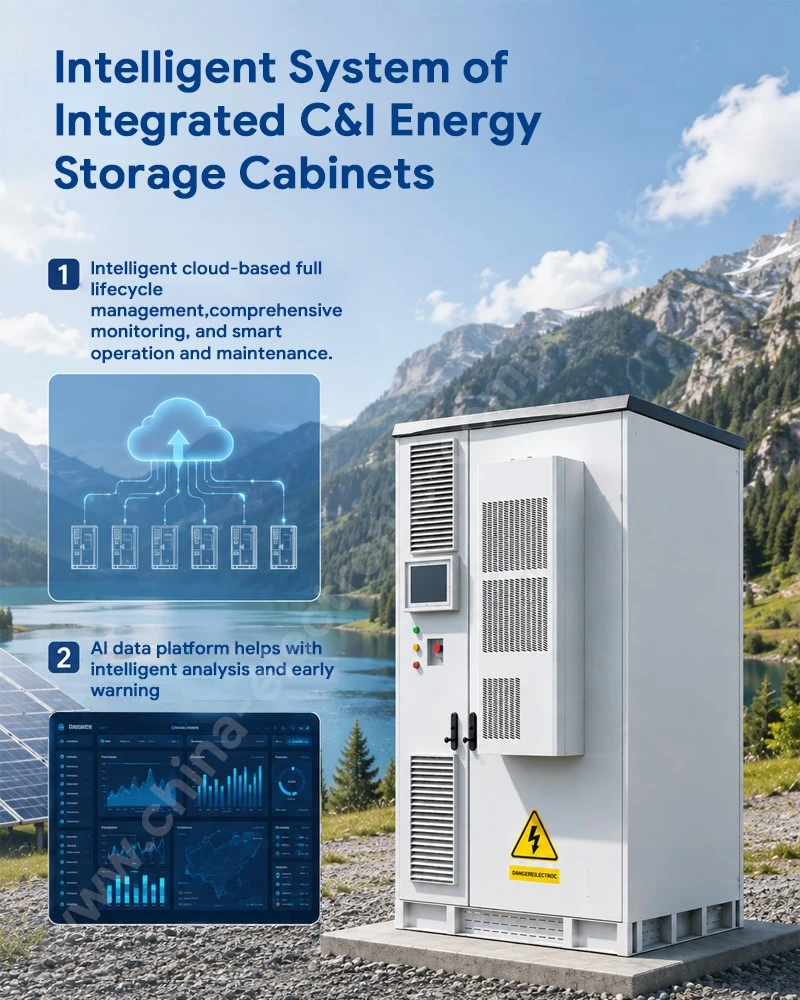
The design of energy storage enclosures is shifting from a focus on mere equipment housing to a focus on system safety
Beyond serving as a housing for batteries and electrical equipment, the enclosure is a critical component of the system's safety design. Its structure must support the weight of the equipment, withstand vibrations during transport, ensure secure installation, and remain robust during long-term operation-all while providing adequate space for electrical connections, maintenance access, and thermal management systems.
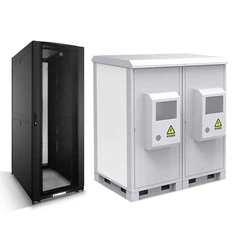
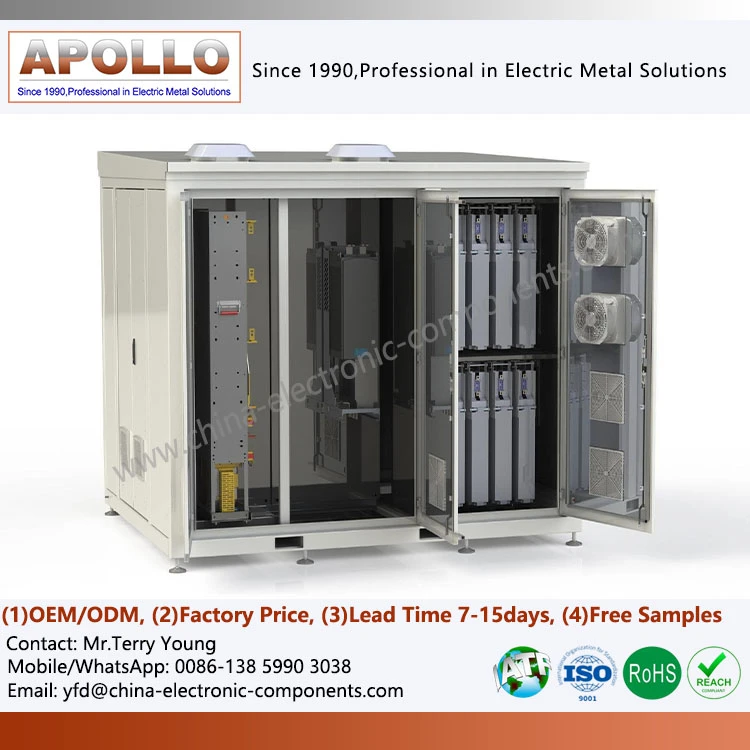
An integrated energy storage cabinet typically houses battery modules, a Power Conversion System (PCS), electrical protection units, control systems, fire suppression components, and thermal management equipment. These functional modules must be arranged with sufficient spatial separation to prevent interference between electrical wiring, cooling conduits, and maintenance pathways.
For outdoor energy storage equipment, the choice of enclosure materials and surface treatment processes must align with the application environment.
Carbon steel, which offers excellent workability and load-bearing capacity, is well-suited for complex structures fabricated through bending, welding, and powder coating. Stainless steel may be used for components or environments that demand superior corrosion resistance. The design of stainless steel outdoor energy storage enclosures must also account for factors such as sheet metal thickness, weld quality, door sealing, structural reinforcement, and grounding continuity to ensure the enclosure meets all mechanical and environmental requirements during actual operation.
For projects utilizing modular deployment, the design of outdoor energy storage systems must also address the spacing between cabinets, cable routing (entry and exit), foundation anchoring, and provisions for future capacity expansion. The enclosure structure and the electrical system should be planned concurrently during the design phase to avoid the need for extensive on-site modifications once the equipment arrives.
Intelligent energy management facilitates the full lifecycle operation of energy storage projects
The value of an energy storage project is determined not only by the rated parameters at the time of delivery but, more importantly, by its energy dispatch capabilities throughout its long-term operational life. For typical commercial and industrial (C&I) users, factors such as electricity prices, photovoltaic (PV) power output, production loads, and equipment operating status are subject to constant change. Relying on manual experience to devise fixed charge/discharge schedules is often inadequate for navigating such complex operational environments.
Energy Management Systems (EMS) can collect data on battery status, Power Conversion System (PCS) operating parameters, power at the grid-connection point, PV output, and load demand, subsequently allocating power according to preset strategies. With advancements in algorithms and data analytics, some systems have begun to incorporate dynamic optimization, allowing for the adjustment of charge/discharge schedules based on fluctuating electricity prices, load forecasts, and equipment conditions.
In practical applications, the value of AI algorithms must be validated through operational data. Beyond revenue forecasting and scheduling optimization, key considerations should include prediction accuracy, control response, anomaly detection, the stability of data communication, and mechanisms for human intervention. For energy storage systems supporting critical production loads, control strategies must rigorously account for protection logic and operational safety-revenue maximization cannot be the sole objective.
From initial planning and equipment configuration to installation, commissioning, and ongoing operation and maintenance (O&M), digital management has become a vital component of the long-term operation of energy storage systems. Through unified data interfaces and control platforms, organizations can eliminate "information silos" between disparate pieces of equipment, establishing a data foundation for fault diagnosis, operational analysis, and maintenance planning.
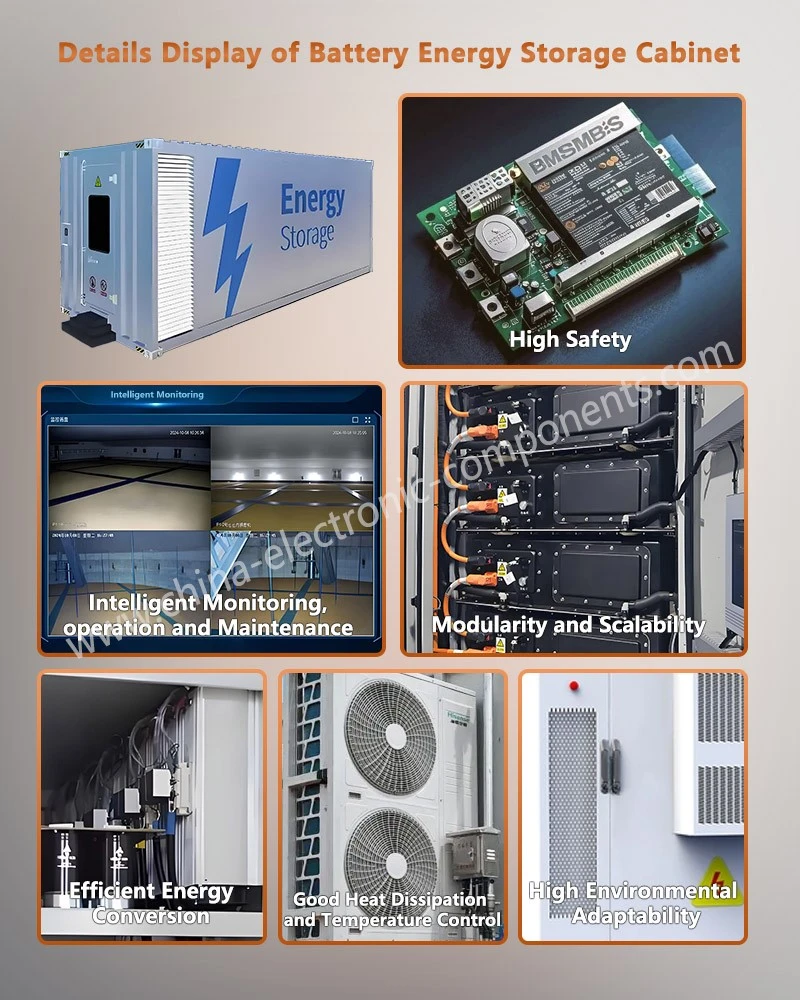
C&I Energy Storage Enters a Phase of System-Level Capability Competition
Industry trends indicate that the C&I energy storage sector is shifting from the sale of standardized hardware toward the provision of scenario-specific energy solutions. While the market previously focused primarily on battery capacity, PCS power ratings, and equipment costs, project owners now place greater emphasis on system compatibility, the efficiency of engineering delivery, operational safety, energy management capabilities, and long-term maintenance costs.
Whether it is an "all-in-one" PV-plus-storage cabinet designed for factories or a multi-energy integrated storage cabinet (e.g., solar-wind-storage), product design must be tailored to specific application requirements. When evaluating energy storage products from different brands or based on varying technical approaches, purchasers should carefully assess battery chemistry, rated power, usable capacity, system efficiency, thermal management methods, fire safety configurations, on-grid/off-grid capabilities, and communication protocols.
System suitability should never be judged solely by the external appearance of the cabinet or its nominal capacity. The market features products with diverse structures and configurations-such as integrated energy storage cabinets, liquid-cooled integrated cabinets (often used in wind power applications), and all-in-one systems like the Fortress Power FlexTower. When evaluating potential solutions for procurement, it is essential to base decisions on actual technical specifications, certification documentation, system topology, and specific project operating conditions to clearly define the product's scope of application and interface requirements.
Looking ahead, competition in the commercial and industrial (C&I) energy storage sector will increasingly encompass system architecture, the manufacturing of key components, thermal management design, intelligent control, and full-lifecycle services. Only by aligning equipment performance with the specific requirements of on-site applications can the delivery quality and long-term operational performance of energy storage projects be optimized.
Prioritizing Structural Design and Component Synergy in Energy Storage Procurement
For energy storage equipment manufacturers, system integrators, and engineering procurement teams, the reliability of an energy storage cabinet depends not only on the battery cells and power converters but also on the cabinet structure, electrical connections, busbar assemblies, cable securing methods, thermal management pathways, and protective design. In high-current and high-power applications, factors such as the cross-sectional area of copper busbars, connection methods, contact resistance, insulation materials, and assembly precision are critical to both electrical performance and operational safety.
During the project selection and supply chain development phases, purchasers should define technical requirements for the cabinet and its internal metal components by considering system capacity, operating voltage, maximum current, installation environment, cooling method, and expected service life. For custom-engineered components-such as energy storage cabinets, sheet metal structures, copper busbars, flexible connectors, and precision-stamped or welded parts-it is vital to verify material grades, dimensional tolerances, surface treatments, welding processes, insulation requirements, and quality inspection standards well in advance.
If you are developing C&I energy storage cabinets, outdoor energy storage systems, or liquid-cooled energy storage equipment, we invite you to share your product drawings, 3D models, technical specifications, and intended application scenarios. We can assess the manufacturing feasibility of your sheet metal structures, metal-stamped parts, copper busbar assemblies, and welded components. Furthermore, we can provide technical support regarding material selection, process design, prototype validation, and mass production, helping you establish a stable and traceable supply chain for your components.
contact us
Send Inquiry