










Why Is Manganese-copper Alloy Considered The Benchmark Material For Manufacturing Copper Manganin Shunts?
May 15, 2026
Leave a message
Within the family of copper alloys, manganese-copper alloys have emerged as essential materials in the high-end manufacturing sector, distinguished by their exceptional stability and precision capabilities. Among these, M2052 stands as a representative grade; characterized by its precise compositional balance, outstanding mechanical properties, and corrosion resistance, it serves as a core material for products such as current shunts and precision instruments. The Manganin shunt used in latching relays-a key application of this alloy-fully leverages the performance advantages of M2052, making it widely adaptable to precision-critical scenarios across numerous industries.
The M2052 manganese-copper alloy utilizes copper as its base matrix, with the addition of elements such as manganese, nickel, and iron to optimize its performance. Its critical technical parameters are subject to rigorous control to ensure stable operation even within complex environments, thereby providing reliable material support for a wide range of precision products. Its core chemical composition, expressed as mass fractions, consists of 73% manganese, 20% copper, 5% nickel, and 2% iron. The manganese element ensures the strength and electrical conductivity of the base matrix; copper enhances wear resistance and corrosion resistance; nickel optimizes mechanical stability; and iron refines the grain structure to further boost mechanical strength. It is precisely by relying on this precise compositional balance that the manufacturing process for shunt terminals achieves superior electrical conductivity and structural stability.
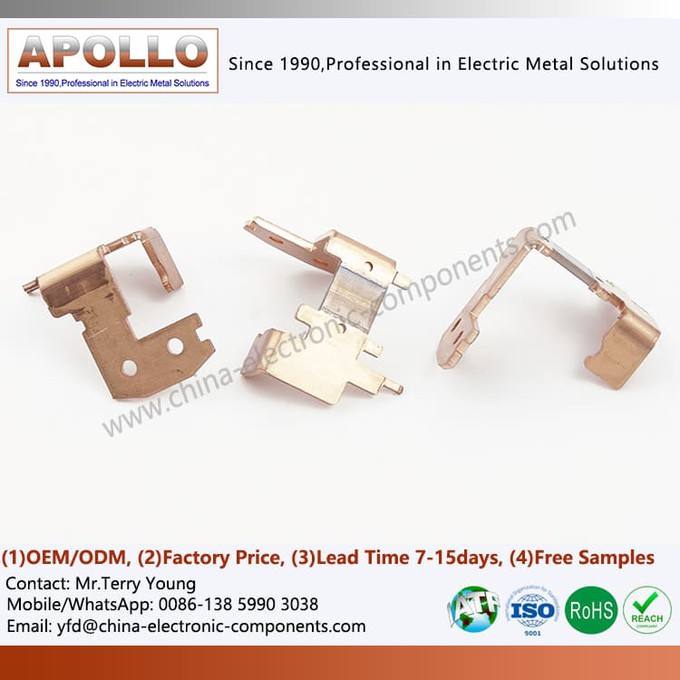
The M2052 manganese-copper alloy has emerged as the preferred choice for high-end manufacturing, a distinction rooted in three key advantages. First, it exhibits exceptional performance stability and broad environmental adaptability; within a temperature range of -40°C to 120°C, performance fluctuations remain under 3%-far superior to ordinary copper alloys. Capable of withstanding both humid corrosion and mechanical vibration, it is ideally suited for precision equipment requiring long-term, continuous operation. Leveraging this advantage, Manganin Shunt Resistors-fabricated from this copper-manganese material-maintain precise performance even under complex operating conditions.
Second, it offers excellent machinability and high flexibility in customization. It can be shaped through a variety of processes-including smelting, forging, and machining-and supports full-range customization, from thin sheets (0.1mm thick) to rods (50mm in diameter). Machining tolerances can be controlled within ±0.005mm, fully meeting the precision assembly requirements of high-end equipment and providing robust support for customized products across diverse industries. Through precision machining, Shunt Terminals for Magnetic Latching Relays achieve a perfect structural fit with their corresponding relays, thereby fully harnessing the inherent precision characteristics of the M2052 alloy.
Third, it offers outstanding cost-effectiveness and controllable overall costs. Compared to precious metal alloys of equivalent performance, the material cost of M2052 manganese-copper alloy is 40% to 60% lower, while its service life extends to 8–10 years-two to three times that of ordinary copper alloys. In mass-production scenarios, this helps enterprises significantly reduce long-term maintenance and replacement costs, effectively meeting the demands of large-scale manufacturing operations. When utilized in the manufacture of Manganin Shunts for Electricity Meters, this alloy not only lowers production costs but also enhances the measurement stability and longevity of the meters.
Across various industrial sectors, the advantages of the M2052 manganese-copper alloy are fully realized, with the instrumentation and metering industry standing as one of its core application fields. Due to its stable resistivity, this alloy has become the material of choice for shunt resistors and sampling resistors in precision instruments such as ammeters and voltmeters. Components fabricated from this alloy exhibit a measurement error of ≤0.1%-representing a threefold improvement in precision over traditional materials-thereby significantly boosting product yield rates. As a critical component within instrumentation systems, the Shunt Assembly leverages the superior performance attributes of the M2052 alloy to ensure the utmost accuracy of measurement data.
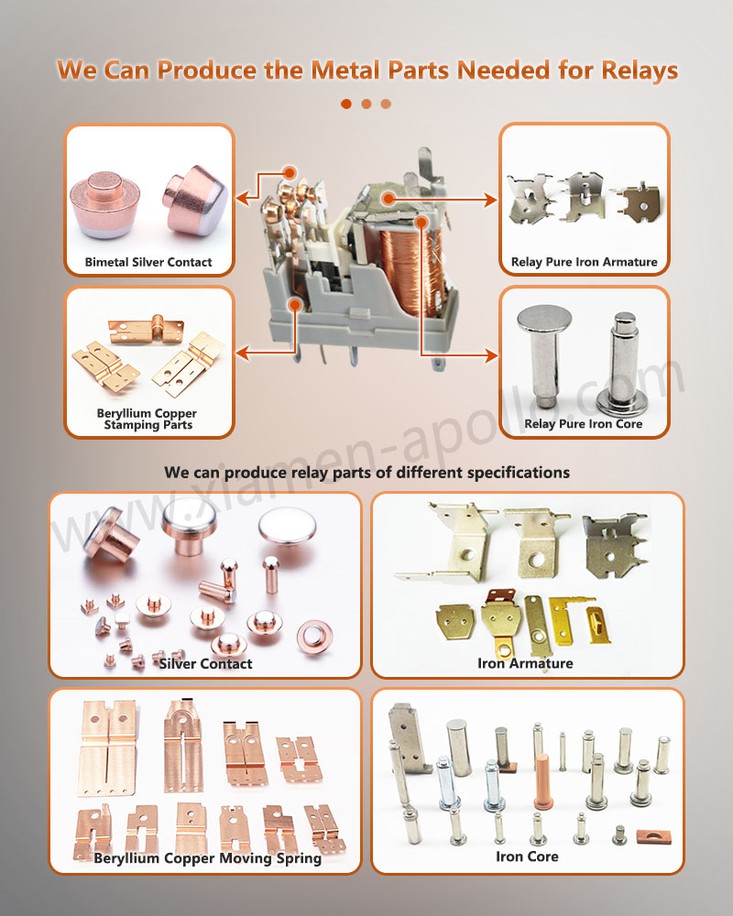
In summary, the M2052 manganese-copper alloy stands as a performance benchmark in the field of precision manufacturing. Its exceptional properties, versatile machinability, and outstanding cost-performance ratio have led to its widespread adoption across numerous industries, establishing it as a core supporting material for products such as current shunts and precision instruments. As the manufacturing sector continues to undergo technological upgrades, the scope of its applications is set to expand further, providing robust support for the high-quality development of the high-end manufacturing industry.
We specialize in the R&D and production of products derived from the M2052 manganese-copper alloy-specifically, Electric Current Measure Manganin Shunts. We offer customized specifications tailored to specific requirements, ensuring a precise fit for applications across a wide range of industries. If you require consultation regarding product selection, technical parameters, or potential collaborations, please feel free to contact us; we guarantee a prompt response and the provision of professional, efficient, and comprehensive one-stop services.
contact us

Send Inquiry