








What Is An Electric Vehicle Charging Cabinet
Feb 10, 2026
Leave a message
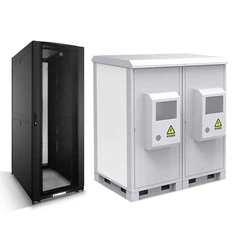
With the rapid popularization of electric bicycles, electric motorcycles, and electric vehicles, centralized, safe, and controllable charging methods have gradually become an important part of urban infrastructure. Electric vehicle charging cabinets are professional charging equipment developed in this context, with the core objective of providing a standardized, higher-level electrical safety centralized charging environment for electric vehicle batteries. In practical applications, electric vehicle charging cabinets typically share the same design philosophy as battery storage cabinets, emphasizing structural safety, electrical isolation, and long-term stable operation.

Basic Definition of an Electric Vehicle Charging Cabinet
From an engineering perspective, an electric vehicle charging cabinet is a centralized charging system with a cabinet structure. It integrates power modules, charging control units, protection circuits, and management systems, and can simultaneously provide charging services for multiple batteries or multiple electric vehicles. Depending on the usage, it can be a fixed-deployment Stationary Battery Charging Cabinet, or its functions can be tailored and expanded according to site conditions to meet the needs of different power levels and usage densities.
Core Functions and Technical Features
Functionally, electric vehicle charging cabinets typically possess intelligent charging control capabilities, dynamically adjusting voltage and current parameters based on battery type and status to reduce the risk of overcharging and thermal runaway. This technological logic aligns closely with the safety management design philosophy of Battery Charging Cabins for Backup Power Systems, both focusing on battery life management and system reliability. Furthermore, the systems typically incorporate multiple protection mechanisms, including overcurrent, overvoltage, short-circuit, and abnormal power failure control.
Interface Adaptation and System Compatibility
To accommodate electric vehicle batteries of different brands and specifications, charging cabinets often employ a modular design in terms of structure and electrical interfaces. By flexibly configuring charging units, power coverage from Low-Power Battery Charging Cabins to High-Power Battery Charging Cabins can be achieved, meeting the differentiated needs of light commuter electric vehicles and high-capacity batteries. This modular concept is particularly evident in the engineering design of Modular Battery Charging Cabins.
Intelligent Management and Maintenance Capabilities
Modern electric vehicle charging cabinets commonly incorporate remote monitoring and data management functions, enabling real-time collection of equipment status, charging process, and energy consumption data through network systems. This centralized management model not only improves operational efficiency but also drives the standardization of charging cabinets towards Standard Battery Charging Cabinets, providing a foundation for future large-scale deployment and unified maintenance.
Human-Computer Interaction and User Experience
On the user side, electric vehicle charging cabinets emphasize simplified operation and information transparency. Through a display interface or QR code scanning, users can intuitively obtain charging status and progress. This design is particularly important in Compact Battery Charging Cabins, which balance safety, electrical performance, and ease of use within limited space, making them suitable for high-density deployment environments.
Typical Application Scenarios
In semi-enclosed environments such as residential communities and office parks, electric vehicle charging cabinets primarily address daily commuting charging and safety management issues. In public areas such as shopping malls, hospitals, and transportation hubs, their role is more about enhancing and supporting service capabilities and regulating electricity usage. In some temporary or mobile scenarios, Portable Battery Charging Cabins are also used to meet temporary or emergency charging needs.

Integration with Electric Vehicle Rental and Sharing Scenarios
With the development of shared mobility and electric vehicle rental models, the value of charging cabinets in centralized battery swapping and rapid energy replenishment is becoming increasingly apparent. Through customized structures and interface configurations, Custom Battery Charging Cabins can be deeply integrated with rental systems, improving battery turnover efficiency and reducing manual maintenance costs.
Market Development Trends
From an industry trend perspective, electric vehicle charging cabinets are gradually evolving towards standardization, modularization, and systematization, with their functional boundaries extending towards energy storage and energy management. In some applications, charging cabinets have begun to work collaboratively with power system components, such as inverter battery box cabinets, forming a more complete energy consumption and management system. This trend provides a technological foundation for the construction of future smart communities and low-carbon cities.
Significance for Green Mobility
The large-scale application of electric vehicle charging cabinets effectively alleviates the safety hazards caused by decentralized charging and improves the convenience and reliability of electric vehicle use. As a key infrastructure in the green mobility system, its existence not only supports the continued popularization of electric vehicles but also plays a long-term role in energy efficiency, urban electricity safety, and the achievement of emission reduction targets.
About Our Solution Integration
Based on the above application needs and industry development trends, we continuously provide reliable and flexible charging cabinets and supporting system solutions for electric vehicle and energy storage scenarios. These solutions cover different power levels and installation methods, and can be customized in terms of function and structure according to project requirements, meeting diverse application needs from basic charging to system integration.
contact us

Send Inquiry