










An Analysis Of The Power Distribution Cabinet Industry: Fundamentals, Classification Standards, Core Structure, And Technological Trends
Nov 21, 2026
Leave a message
Power distribution cabinets are essential electrical units used in low-voltage and medium-to-low-voltage power distribution systems for the distribution of electrical energy, circuit control, and fault protection. Depending on factors such as rated voltage, rated current, ingress protection (IP) rating, installation method, and operating environment, these cabinets can be categorized into various types-including low-voltage distribution cabinets, power distribution cabinets, lighting distribution cabinets, outdoor distribution cabinets, and intelligent distribution equipment. Driven by advancements in industrial automation, the electrification of buildings, and the development of infrastructure for new energy, the design of power distribution cabinets is increasingly evolving toward modularity, intelligent monitoring, and precision protection.
Basic Definition and Core Functions of Power Distribution Cabinets
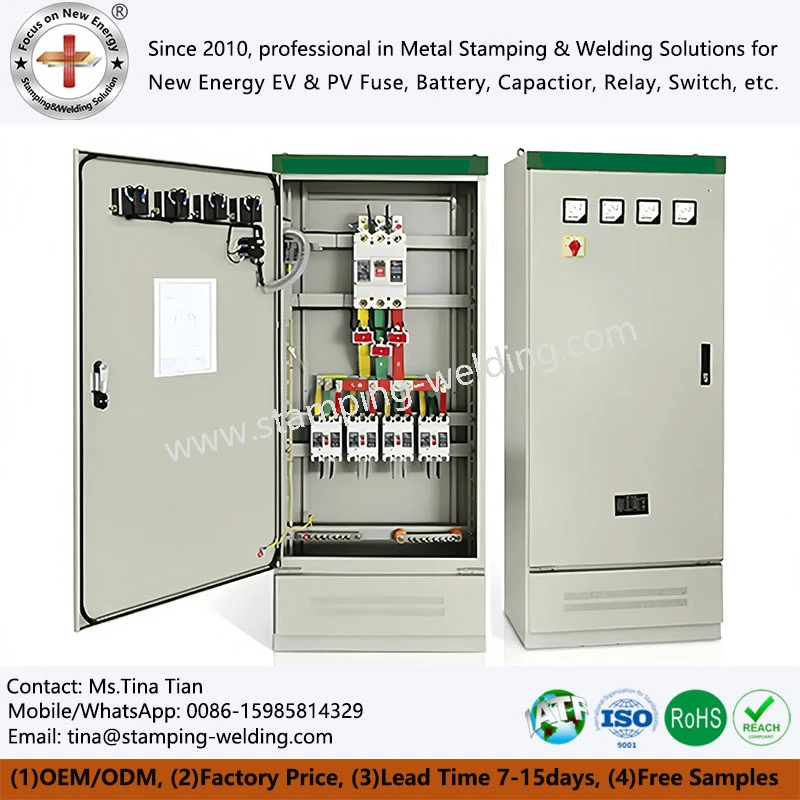
Power distribution cabinets are complete electrical assemblies comprising an enclosure, circuit breakers, disconnect switches, contactors, relays, busbars, and auxiliary control components. They are primarily used for the reception, distribution, control, metering, and protection of electrical energy.
Within a power system, a power distribution cabinet typically serves as an interface between an upstream power source and downstream electrical equipment. Based on the electrical parameters of various loads, it distributes power to lighting systems, industrial machinery, production lines, and other terminal circuits.
Compared to simpler terminal distribution boxes, power distribution cabinets feature more complex internal structures, a broader range of functional configurations, and greater capacity for circuit expansion. They are widely used in industrial facilities, commercial buildings, infrastructure projects, and large-scale electromechanical installations.
Their primary functions include:
1. Power Distribution
Through the use of main busbars, branch busbars, and outgoing circuits, power from an upstream source is distributed to various electrical loads. Individual circuits can be configured independently based on load type and operational requirements, enabling zoned power supply.
2. Circuit Control and Protection
Using circuit breakers, fuses, relays, and other protective components, these cabinets manage the switching of electrical circuits and initiate protective actions in the event of faults such as short circuits or overloads. When equipped with residual current protection devices, they can also provide additional safeguards against residual current faults under specified conditions.
3. Electrical Parameter Monitoring
Through the use of voltmeters, ammeters, multifunction power meters, and sensors, operational data-such as voltage, current, power, power factor, and energy consumption-is monitored. This provides a basis for equipment management and fault analysis.
4. Equipment Operational Management
Utilizing control circuits, communication modules, and automation components, these systems facilitate equipment start/stop operations, interlocking control, operational status feedback, and remote monitoring, thereby enhancing the management efficiency of power distribution systems.
Consult Our Electrical Engineers Today
Main Classifications and Application Scenarios for Power Distribution Cabinets
Power distribution cabinets are typically classified based on voltage level, functional purpose, installation environment, and structural design. Different types of equipment vary significantly in terms of component configuration, cabinet structure, and protection requirements.
1. Classification by Voltage Level
Low-Voltage Distribution Cabinets
Low-voltage distribution cabinets are primarily used in power distribution systems with an AC voltage of 1000V or below, or a DC voltage of 1500V or below; the specific scope of application is determined in accordance with relevant product standards.
Typical configurations include molded-case circuit breakers (MCCBs), miniature circuit breakers (MCBs), contactors, relays, metering instruments, and copper busbars. They are widely used in industrial facilities, commercial buildings, residential power distribution, and infrastructure projects.
Low-voltage distribution cabinets must be designed and verified based on requirements for rated operating voltage, rated current, short-circuit withstand capacity, insulation performance, and temperature rise limits.
Medium-Voltage Distribution Cabinets
Medium-voltage distribution cabinets are primarily used for the reception, distribution, and control of electrical energy within medium-voltage power systems. They are commonly found in substations, industrial parks, and large-scale energy facilities.
These cabinets typically house equipment such as vacuum circuit breakers, disconnect switches, current transformers, voltage transformers, and protective relays. They are subject to stringent requirements regarding insulation levels, mechanical interlocking, and short-circuit breaking capacity.
2. Classification by Functional Purpose
Power Distribution Cabinets (for Equipment/Machinery)
These power distribution cabinets are primarily designed to provide power supply and control functions for electric motors, water pumps, fans, compressors, and industrial production equipment. Depending on system requirements, components such as circuit breakers, AC contactors, thermal overload relays, and variable-frequency drive (VFD) equipment can be configured within the units.
Lighting Distribution Cabinets
These are primarily used for distributing power to building lighting, public area lighting, and auxiliary power circuits. They are characterized by a high number of circuits, each with a relatively small load, and typically utilize modular circuit breakers.
Metering Distribution Cabinets
Metering distribution cabinets integrate electricity meters, current transformers, and associated sampling devices to record energy consumption across different zones or pieces of equipment. They are suitable for industrial energy management, sub-metering in commercial buildings, and energy monitoring systems.
Smart Distribution Cabinets
Smart distribution cabinets incorporate communication modules, sensors, and data acquisition units into the traditional power distribution architecture. This enables real-time monitoring of electrical parameters, fault alarms, operational status logging, and remote data transmission.
In some systems, control modules can be integrated to allow for remote switching (opening/closing of circuits), provided that all necessary electrical interlocking, protection logic, and operational safety requirements are met.
3. Classification by Installation Environment and Structure
Indoor Distribution Cabinets
Primarily used in electrical rooms, industrial facilities, and commercial buildings, these cabinets are typically constructed from cold-rolled steel or other metal materials that meet design specifications. Key design considerations include insulation clearances, heat dissipation, mechanical strength, and space for maintenance access.
Outdoor Distribution Cabinets
Outdoor equipment must account for environmental factors such as rain, dust, ultraviolet (UV) radiation, temperature fluctuations, and condensation. The required ingress protection (IP) rating should be determined based on the specific installation environment and applicable standards.
For example, an IP54 rating generally provides protection against dust and splashing water, while an IP65 rating offers protection against dust and water jets. Final selection must also consider the sealing design, cable entry/exit methods, and long-term operating conditions.
Wall-Mounted vs. Floor-Standing Distribution Cabinets
Wall-mounted units are suitable for applications with limited installation space and a relatively small number of circuits. Floor-standing units are designed for power distribution systems that require a large number of circuits, handle high currents, or necessitate significant internal space for equipment installation.
Core Structure and Key Components of Power Distribution Cabinets
The operational stability of a power distribution cabinet depends not only on the selection of electrical components but also, to a significant extent, on the cabinet structure, conductive connections, insulation design, and assembly processes.
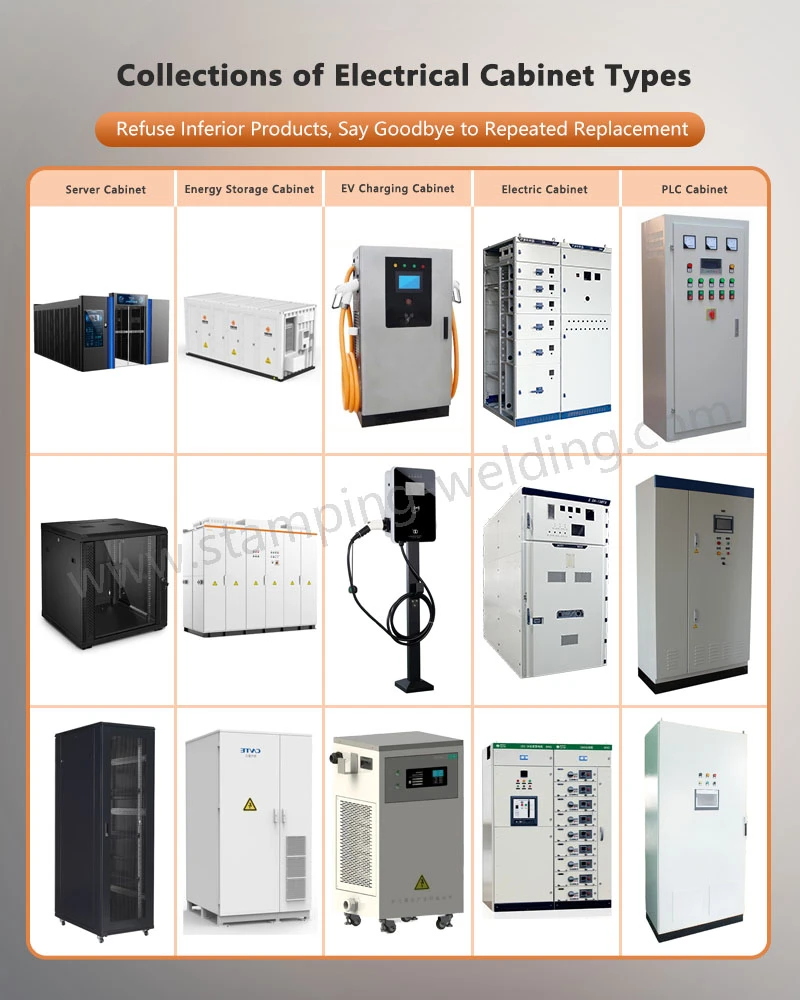
1. Cabinet and Enclosure Structure
The cabinet serves to house internal components, provide mechanical support, and offer environmental protection.
Common materials include:
- Cold-rolled steel sheet: Offers good workability; suitable for standard indoor power distribution equipment.
- Stainless steel: Provides excellent corrosion resistance; suitable for humid or mildly corrosive environments.
- Aluminum alloy: Lightweight with a degree of corrosion resistance; used for equipment with specific weight or structural requirements.
- Engineering plastics: Possess good electrical insulation properties; frequently used for small distribution boxes and insulating structural parts.
Cabinet design must comprehensively account for factors such as sheet thickness, structural rigidity, surface treatment, grounding continuity, and the ingress protection (IP) rating.
2. Circuit Breakers and Protective Components
Circuit breakers are among the core protective components in a power distribution cabinet, primarily responsible for switching circuits on and off, as well as providing protection against overloads and short circuits.
Depending on the current rating and operating conditions, options include miniature circuit breakers (MCBs), molded-case circuit breakers (MCCBs), or air circuit breakers (ACBs/frame circuit breakers).
Other common components include:
- Contactors: Used for frequent switching of electrical loads.
- Thermal overload relays: Used for motor overload protection.
- Fuses: Designed to melt under specified overcurrent conditions, thereby interrupting a faulty circuit.
- Residual current devices (RCDs): Used to detect residual current and provide protection under specified conditions.
- Current transformers (CTs): Used to convert high currents into signals suitable for measurement and protection purposes.
These components must be selected based on criteria such as rated voltage, rated current, utilization category, short-circuit conditions, and coordination requirements.
3. Busbars and Conductive Connection Components
Busbars are essential conductive components used for the transmission of electrical power within a power distribution cabinet; they are typically made of copper or aluminum. Copper busbars, characterized by high electrical conductivity and excellent workability, are widely used in both main and branch circuits. Factors such as the busbar's cross-sectional area, connection method, support spacing, and surface treatment all influence the system's temperature rise and its ability to withstand short-circuit currents.
Additionally, terminals, copper connecting links, conductive supports, and metal stamped parts serve as essential components within internal electrical connection structures.
For control components subject to frequent operation or mechanical stress, considerations must also include material strength, contact resistance, fatigue life, and connection reliability.
4. Auxiliary Installation and Insulation Components
Power distribution cabinets also incorporate insulation barriers, mounting rails, cable ducts/trunking, grounding bars, seals, and cable-securing components.
These elements are primarily used for securing components, organizing wiring, providing electrical isolation, and ensuring protective grounding. A well-planned structural layout helps minimize wire crossovers, simplifies maintenance, and provides adequate space for equipment cooling and servicing.
Application Scope of Power Distribution Cabinets and Related Equipment
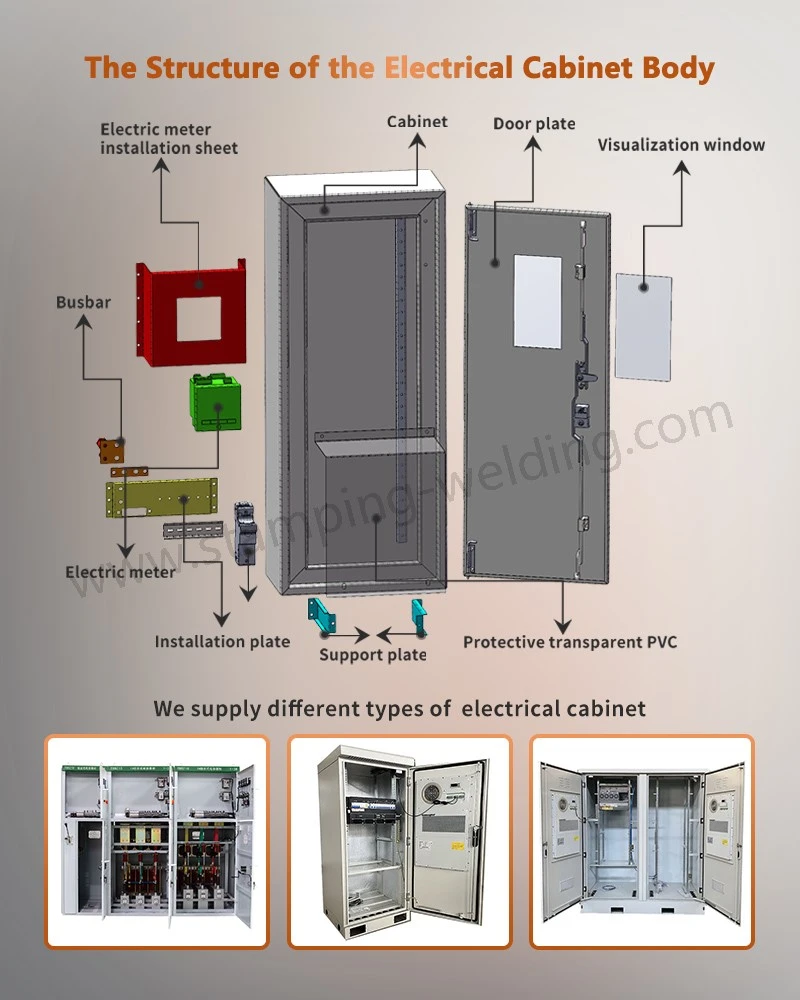
With the expansion of power infrastructure, communication networks, and data centers, the application range for power distribution equipment continues to grow. While various types of equipment may perform power distribution or circuit management functions, they differ in terms of their specific operational targets and technical configurations.
For instance, a "home distribution cabinet" in a residential setting is primarily used for power distribution and branch circuit protection within a home. Conversely, a "street distribution cabinet"-used for roadway lighting or municipal infrastructure-must account for outdoor environmental protection, cable management, and ease of maintenance.
In data centers, power distribution for server cabinets typically involves the distribution of electricity within the cabinets themselves; common equipment includes rack-mounted Power Distribution Units (PDUs), which are designed with a focus on load distribution, redundant power supply, and energy monitoring.
In the field of fiber-optic communications, other types of distribution equipment are utilized:
- Fiber optic cabinets: Used for the centralized management and connection protection of fiber-optic lines.
- Fiber optic distribution cabinets: Primarily responsible for the distribution, splicing, and routing (scheduling) of fiber-optic lines.
- Fibre distribution cabinets: A category of equipment similar to the aforementioned fiber-optic distribution cabinets; specific terminology may vary depending on market conventions and industry standards.
- ODF cabinet: Typically refers to an Optical Distribution Frame or its enclosure, used for connecting and managing optical fibers between fiber-optic cables and optical communication equipment.
- Optical distribution cabinet: Primarily used for fiber-optic distribution and line management within optical communication networks.
Additionally, an FDH (Fiber Distribution Hub) cabinet is a type of enclosure commonly found in FTTH (Fiber-to-the-Home) access networks.
It is important to note that fiber-optic distribution cabinets and electrical power distribution cabinets are distinct types of equipment. The former handles the connection and distribution of optical signals, while the latter is primarily responsible for power distribution and circuit protection; they should not be conflated.
The market also features specific models or commercial product names-such as the Primex P4200 or terms like "high distribution cabinet." For such specific models or non-standardized terminology, one should refer to the manufacturer's technical documentation and definitions; the name alone is insufficient to determine voltage ratings, internal configuration, or actual intended use.
Technological Development Trends in the Power Distribution Cabinet Industry
Driven by the continuous advancement of industrial automation, renewable energy generation, energy storage systems, and data center infrastructure, the technical requirements for power distribution cabinets are evolving-moving beyond traditional power distribution toward digital monitoring, system integration, and precision protection.
1. Intelligent Monitoring and Remote Management
Traditional power distribution equipment relies primarily on manual inspections and on-site meter readings to track operational data. In contrast, the new generation of equipment increasingly integrates smart meters, temperature sensors, current monitoring modules, and communication interfaces.
Through data acquisition and communication systems, these units enable load monitoring, anomaly alerts, operational logging, and remote status viewing-providing the essential data foundation for predictive maintenance.
2. Modular and Standardized Design
A modular structure enhances the flexibility of component layout within the cabinet, allowing for diverse configurations based on capacity, circuit count, and functional requirements.
Standardized design helps minimize assembly variations, ensures consistent production quality, and simplifies future maintenance and component replacement.
3. Growing Demand for Renewable Energy Power Distribution
The expansion of photovoltaic (PV) power generation, energy storage systems, electric vehicle (EV) charging infrastructure, and high-voltage direct current (HVDC) applications has introduced new requirements for power distribution equipment.
These renewable energy scenarios necessitate specialized designs-accounting for factors such as DC voltage levels, short-circuit currents, breaking capacity, insulation coordination, and thermal management-as traditional AC-based distribution solutions cannot be directly applied.
4. Upgrades to Core Components and Connection Technologies
As power distribution equipment trends toward higher current density and more compact structures, the importance of internal conductive connections, contact assemblies, precision-stamped parts, and mechanical actuating components has grown significantly.
Materials such as copper alloys and silver-based electrical contacts, combined with precision metal-processing techniques, play a critical role in components like contactors, circuit breakers, and relays.
Key parameters-including material conductivity, contact resistance, mechanical strength, arc resistance, and fatigue life-directly influence the operational status and long-term performance of these electrical components.
Consequently, the technological evolution of power distribution cabinets is reflected not only in intelligent control systems but also in the material selection, structural design, and manufacturing processes of their critical internal components.
Conclusion
Power distribution cabinets are vital components in electrical systems, serving as the interface between power sources and electrical equipment. Their performance is determined by a range of factors, including the cabinet structure, electrical components, conductive connections, protective configurations, and the quality of installation.
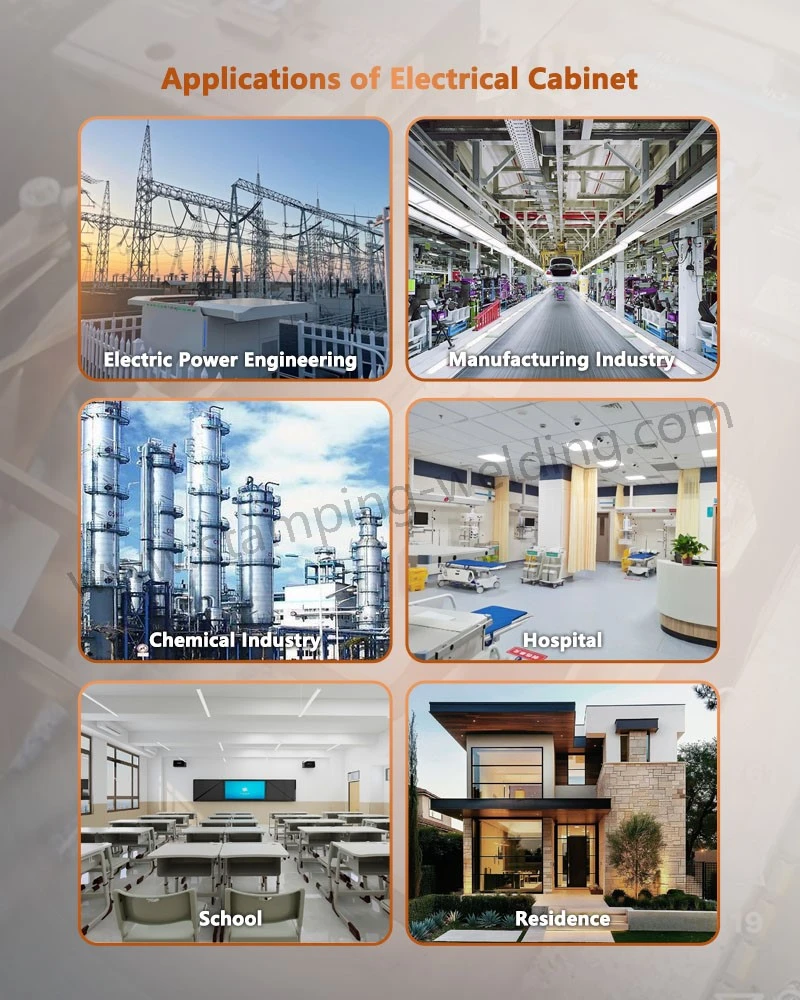
Across diverse applications-from residential buildings and industrial facilities to municipal infrastructure and new energy systems-there are varying requirements for voltage ratings, load capacities, protective capabilities, and control methods.
Looking ahead, as power systems undergo digitalization and the scale of new energy applications expands, power distribution cabinets will increasingly evolve toward intelligent monitoring, modular integration, and refined electrical protection. The establishment of more precise technical requirements for the design, manufacturing, installation, operation, and maintenance of this equipment will further drive the continuous upgrading of the entire power distribution industry chain.
contact us
Send Inquiry