










Celestica Malaysia Engineer Visits XIAMEN APOLLO For Laminated Busbar & Electrical Cabinet Strategic Cooperation
Nov 14, 2026
Leave a message
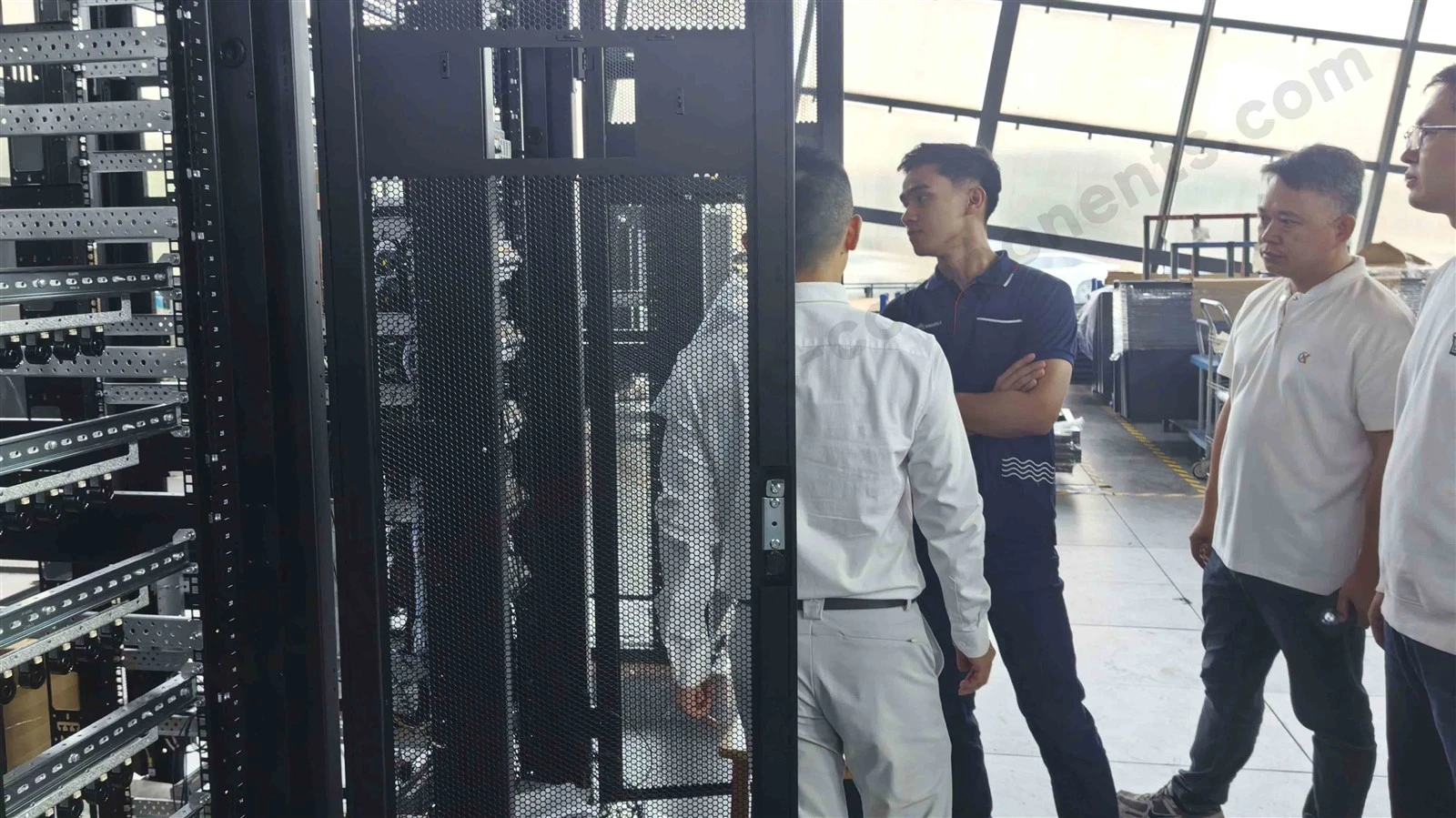
On November 14, 2026, Mr. Badrin, a technical engineer from Celestica's Malaysia operations, visited XIAMEN APOLLO Group. The visiting engineer was warmly welcomed by Terry Young and other members of APOLLO's management team. The visit included technical discussions and on-site inspections at APOLLO's laminated busbar manufacturing facility in the morning and its electrical cabinet manufacturing facility in the afternoon.
The visit focused on manufacturing capabilities, product engineering, and potential cooperation in laminated busbars and electrical cabinet systems. Discussions covered applications across new energy vehicles, photovoltaic power generation, energy storage, data centers, AI computing infrastructure, and electrical power distribution.
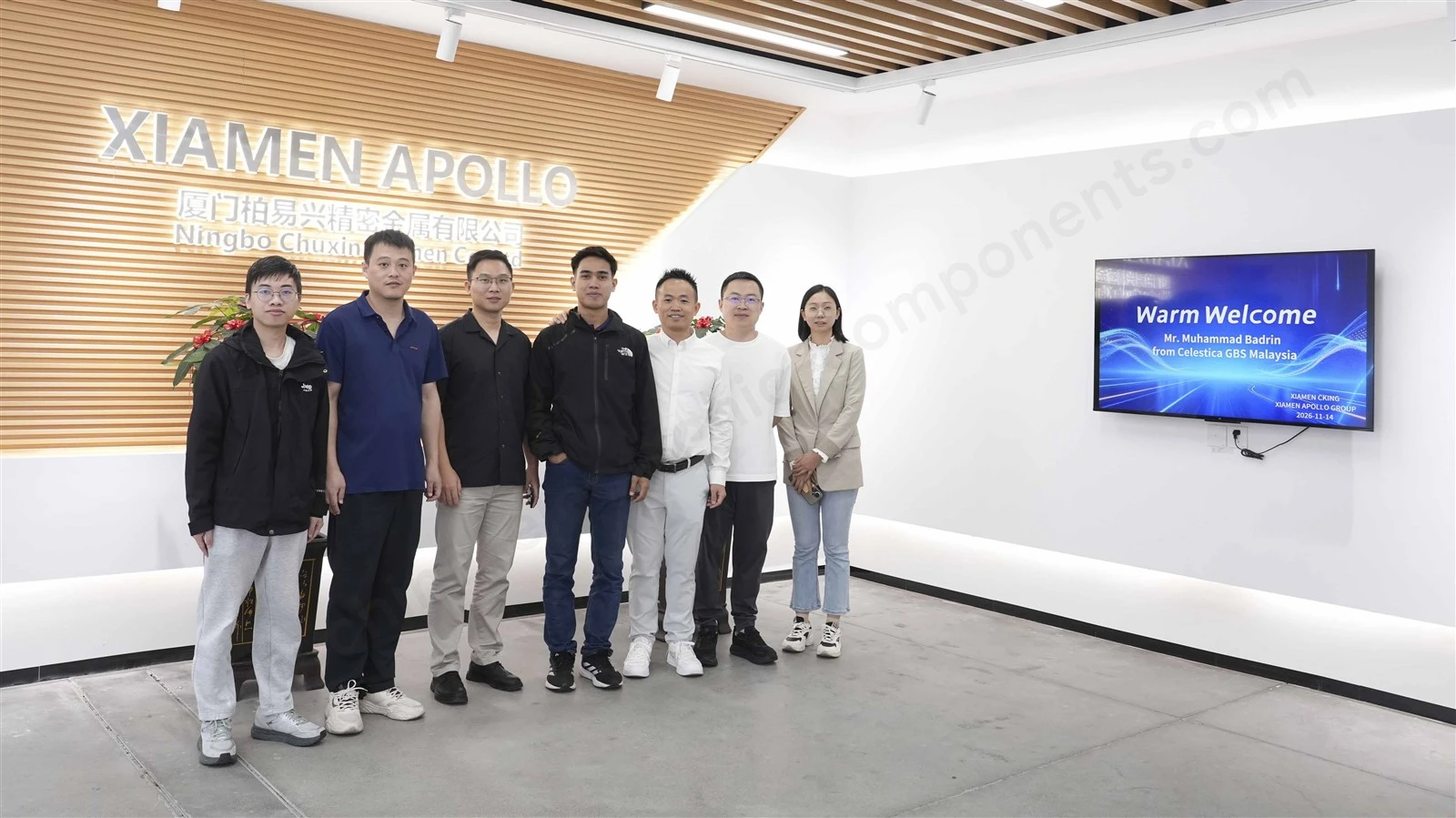
Two companies serving the global technology industry engage in an exchange
Celestica is a Canadian publicly listed technology and electronics manufacturing services group headquartered in Toronto. With global operations and engineering resources, the company provides design, engineering, manufacturing, supply chain, and platform solutions. Its business covers Connectivity and Cloud Solutions, as well as Advanced Technology Solutions, serving markets including data centers, computing and storage, networking, aerospace and defense, industrial equipment, healthcare technology, and semiconductor manufacturing equipment.
Its Malaysian operations include manufacturing and engineering facilities in Johor, Kulim, and Penang. The company's regional capabilities cover electronics manufacturing, aerospace electronics, and computing, storage, and networking hardware platforms.
XIAMEN APOLLO Group focuses on electrical and electronic components, precision metal fabrication, new energy components, busbar systems, and electrical equipment. Its product portfolio includes copper and aluminum busbars, laminated busbars, electrical connection components, electrical cabinets, power distribution cabinets, and energy storage-related products.
The two companies operate in different but interconnected parts of the industrial supply chain. Celestica's involvement in computing, storage, networking, and industrial technology creates potential application opportunities for APOLLO's electrical connection and enclosure products.
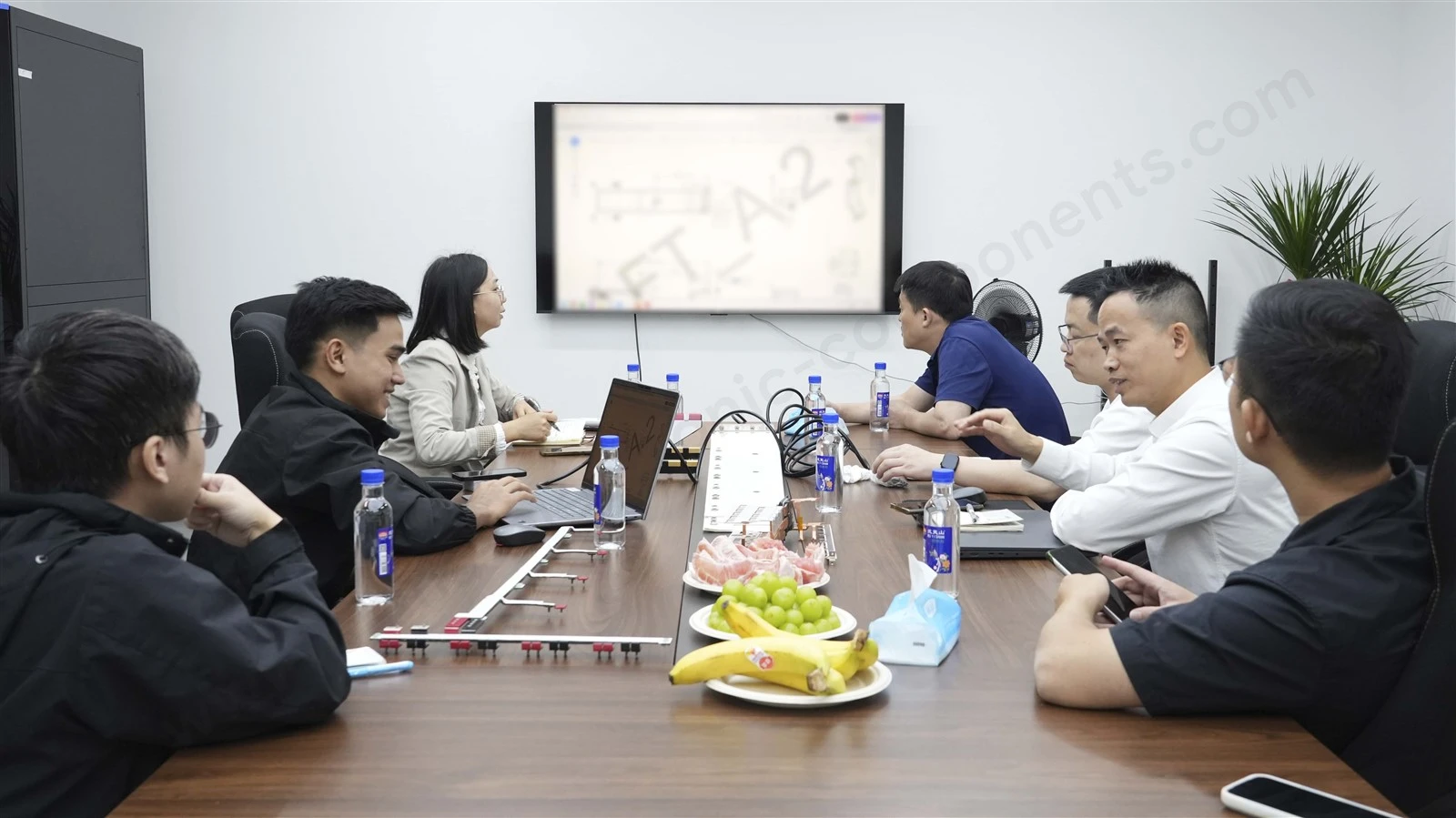
Morning Visit: Laminated Busbar Manufacturing Facility
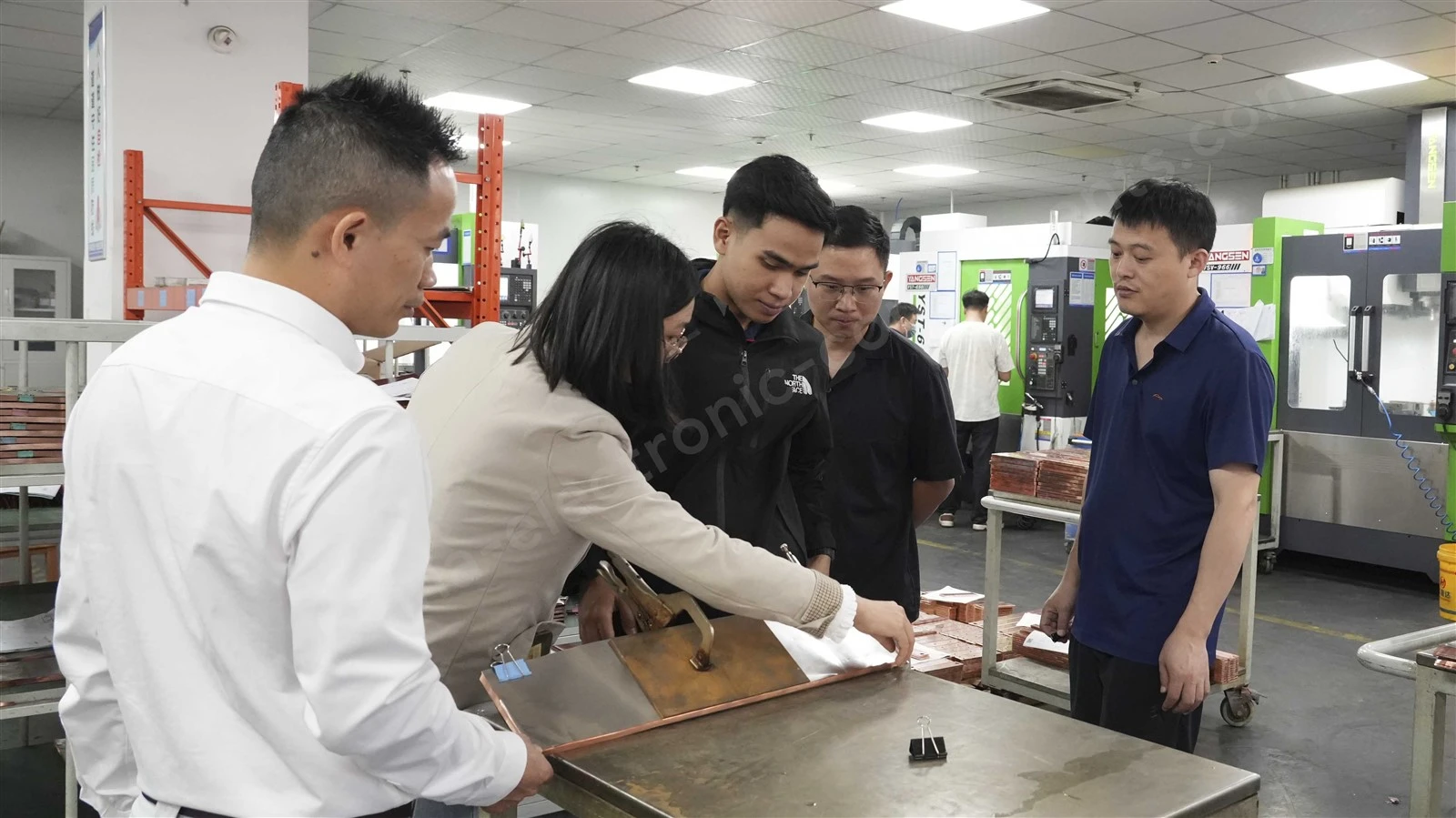
During the morning session, the Celestica engineer visited APOLLO's laminated busbar manufacturing facility, where the team introduced the production processes, product structures, and application requirements of laminated copper busbar systems.
The technical exchange focused on the electrical and mechanical characteristics of multilayer copper conductors, including current-carrying capacity, insulation between conductive layers, dimensional accuracy, connection interfaces, and thermal management.
A Laminated Copper Bar consists of multiple conductive copper layers separated by insulating materials. Compared with conventional single-piece busbars and cable-based connections, its layered construction can help reduce circuit inductance, optimize installation space, and improve connection arrangements in high-power electronic systems.
The product range discussed included:
- Laminated Copper BusBar for compact power distribution and electrical connection systems.
- Laminated Bus Bar for Telecom for power distribution in telecommunications and communication infrastructure.
- Motor Drive Laminated Bus Bar for Power Electronics for power conversion and motor control equipment.
- Laminated Bus Bar for IGBT-based Motor Drive for high-power switching and motor drive applications.
- Capacitor Laminated Bus Bar for IGBT-based Motor Drive for connections between capacitors and power semiconductor modules.
- Laminated Bus Bar for High Current Inverter for inverter power circuits requiring high-current connections.
- Laminated Bus Bar for High Current Circuit Board IGBT for compact connections between high-current circuit boards and IGBT modules.
During the factory tour, the visiting engineer examined manufacturing equipment, production arrangements, and representative products. Both sides exchanged views on the relationship between busbar design and the electrical requirements of power conversion systems, particularly in high-current and high-frequency operating environments.
Afternoon Visit: Electrical Cabinet Manufacturing Facility
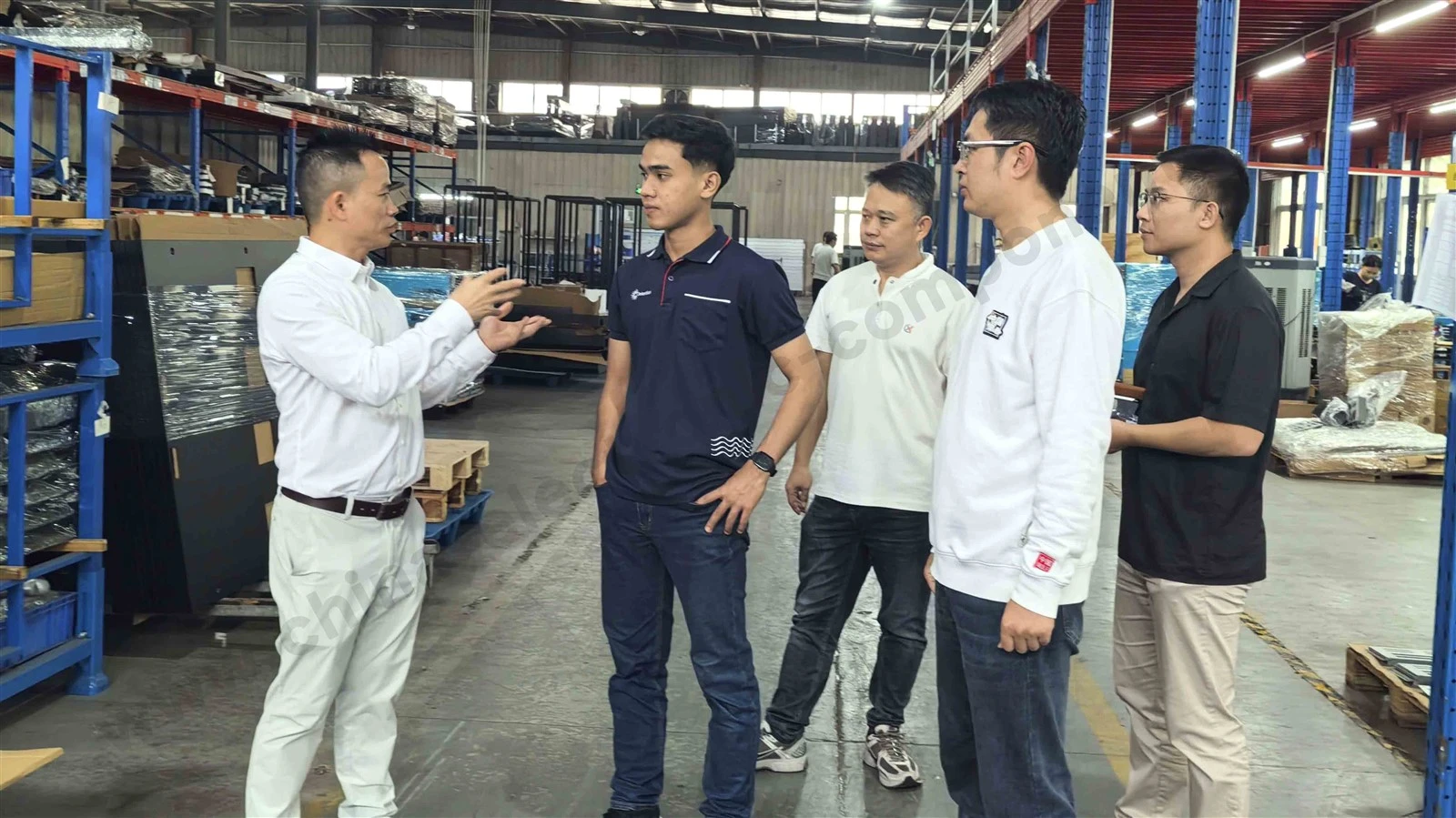
In the afternoon, the visiting engineer continued the tour at APOLLO's electrical cabinet manufacturing facility. The management and technical teams introduced the cabinet product range, manufacturing processes, structural configurations, and application scenarios.
The discussion covered cabinet structures for data centers, server rooms, telecommunications infrastructure, industrial control systems, and power distribution applications.
For computing and networking infrastructure, the cabinet structure must accommodate equipment installation, load-bearing requirements, cable routing, grounding, ventilation, and maintenance access. Different installation environments also require different enclosure dimensions, protection levels, and structural configurations.
The product categories discussed included:
- 6u comms cabinet for compact telecommunications and network equipment installations.
- 12u wall mounted data cabinet for space-efficient network deployment in offices and equipment rooms.
- 12u network cabinet for switches, routers, patch panels, and communication equipment.
- 42u data cabinet for server, storage, and networking equipment in data centers.
- Outdoor data cabinet for network and electrical equipment deployed in outdoor environments.
- Outdoor server rack for protected installation of computing and networking equipment outside conventional server rooms.
- Server rack on wheels for applications requiring flexible equipment positioning and movement.
The factory visit also provided an opportunity to examine metal cabinet structures, manufacturing equipment, assembly arrangements, and product details. The two teams discussed how cabinet dimensions, internal layouts, structural strength, and thermal management requirements should be considered during project design.
These technical considerations are particularly relevant to data center infrastructure, where increasing computing density and power demand place greater requirements on equipment enclosures and power distribution systems.
Technical Discussions on Data Centers, AI Computing, and New Energy Applications
Throughout the visit, both teams exchanged views on the changing requirements of electrical infrastructure across several industrial sectors.
The expansion of AI computing and cloud services is increasing demand for high-density computing equipment, server power supplies, networking hardware, and supporting electrical distribution systems. These developments create corresponding engineering requirements for laminated busbars, power distribution connections, and server cabinet structures.
In data centers, laminated busbars can be used in power distribution and power conversion assemblies, while electrical cabinets provide standardized installation space and structural protection for servers, network devices, and electrical equipment.
In new energy applications, busbar systems are used in battery connections, inverters, power conversion equipment, and energy storage systems. Electrical cabinets serve as structural enclosures for power distribution, control, and energy storage equipment.
The discussion also covered the importance of coordinating electrical connection design with mechanical installation requirements. Factors such as conductor cross-section, insulation configuration, connection positioning, cabinet dimensions, grounding continuity, and heat dissipation need to be evaluated according to the operating conditions of each project.
Exploring Opportunities for Long-Term Strategic Cooperation
The visit concluded with discussions on potential cooperation in laminated busbar systems and various types of electrical cabinets.
Both sides exchanged views on product development, engineering requirements, manufacturing capabilities, and possible project cooperation. Areas of mutual interest included laminated copper busbars for power electronics, high-current inverter connections, data center power distribution, and customized electrical cabinet structures.
For future cooperation, key technical considerations may include:
- Product drawings, dimensional specifications, and interface requirements.
- Copper material selection, conductor thickness, and insulation configuration.
- Electrical current requirements and thermal management.
- Cabinet dimensions, structural strength, and equipment mounting arrangements.
- Grounding, cable routing, and environmental protection requirements.
- Prototype evaluation, engineering validation, and production planning.
The discussions established a technical basis for further communication and potential project development. Specific cooperation arrangements will depend on subsequent engineering evaluation and project requirements.
Strengthening Technical Connections Across the Global Electrical Supply Chain
The visit by Celestica Malaysia reflects the growing importance of technical communication between manufacturers and customers across the global electrical and electronics supply chain.
As demand for AI computing, data centers, renewable energy, and high-power electrical systems continues to develop, the requirements for electrical connection components and equipment enclosures are also changing.
Through its manufacturing activities in laminated busbars and electrical cabinets, XIAMEN APOLLO Group continues to serve industrial applications involving power distribution, energy conversion, data infrastructure, and new energy systems.
The November 14 visit provided an opportunity for both teams to examine manufacturing processes, exchange engineering perspectives, and identify potential areas for further cooperation in laminated busbar and electrical cabinet projects.
contact us
Send Inquiry