





Development Trends in The Power Distribution Cabinet Industry For 2026: Intelligent Upgrading, Product Structure Adjustment, And Transformation Of Manufacturing Capabilities
Nov 28, 2026
Leave a message
With the development of new power systems, the expansion of data centers, the integration of new energy sources, and the ongoing advancement of industrial automation, the demand structure within the power distribution equipment market is shifting. While traditional distribution cabinets remain a vital component of power distribution systems in industrial, commercial, and infrastructure sectors, market competition has evolved. It has moved beyond a focus on individual product pricing and basic manufacturing capabilities toward equipment reliability, digital monitoring, system integration, and full-lifecycle operation and maintenance.
As 2026 marks the beginning of China's 15th Five-Year Plan, the digital transformation of distribution networks, the development of supporting infrastructure for new energy, and the upgrading of power infrastructure are creating new market opportunities for the power distribution equipment manufacturing industry. Concurrently, as industry standards, project technical requirements, and procurement criteria from end-users continue to evolve, manufacturers must re-evaluate their product portfolios and strategic investments in technology. Intelligent, modular, and scenario-specific designs are emerging as key trends in the distribution cabinet industry.
Steady Growth in the Distribution Cabinet Market and Shifts in Demand Structure
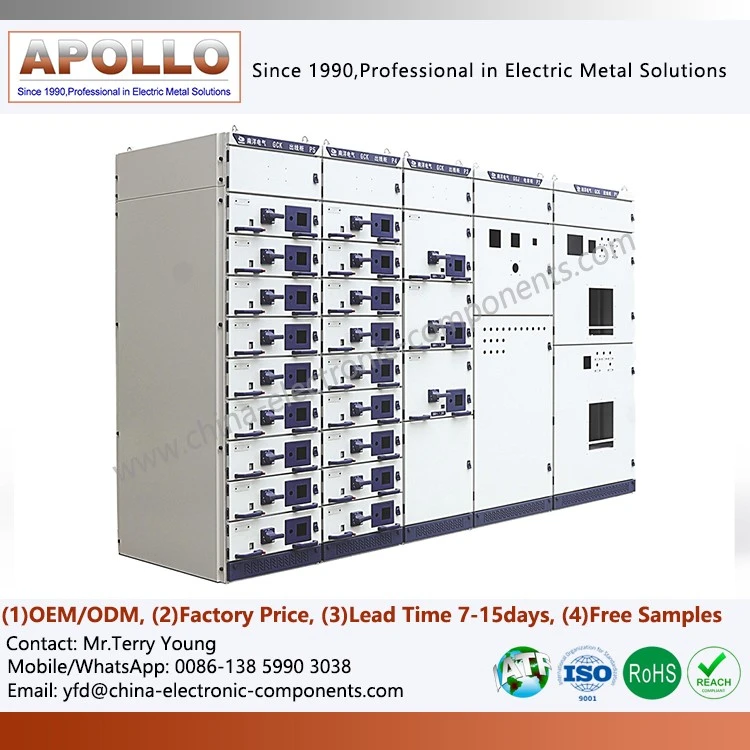
Distribution cabinets are essential components in power systems, facilitating power distribution, circuit protection, equipment control, and operational monitoring. They are widely utilized in industrial facilities, commercial buildings, data centers, telecommunications infrastructure, new energy power plants, and public infrastructure. Driven by sustained investment in power infrastructure, the domestic market for distribution cabinets has maintained overall steady growth.
In terms of market demand, traditional industrial and building power distribution, along with the renovation of urban and rural distribution networks, continue to form the bedrock of the industry. Simultaneously, the growth of new energy generation, energy storage systems, data centers, and telecommunications networks is pushing power distribution equipment toward higher levels of integration, enhanced monitoring capabilities, and more flexible system configurations.
Requirements for equipment vary significantly depending on the application scenario. For instance, industrial users prioritize load matching, short-circuit protection, operational stability, and ease of maintenance. New energy projects emphasize bidirectional power flow, grid-connection control, and environmental adaptability. Data centers, meanwhile, demand higher standards for power supply continuity, distribution capacity, circuit monitoring, and fault isolation.
Against the backdrop of continuous expansion in data center construction, distribution cabinets specifically designed for data centers have emerged as a notable segment within the broader power distribution equipment market. A proper balance of capacity and coordination of electrical protection must be maintained across the power supply chain-from cabinet-level power distribution and floor-level distribution to row-end cabinets and terminal-level distribution systems. The design quality of this power distribution equipment directly impacts the stability of a data center's power architecture.
Market growth drivers are shifting from traditional, general-purpose products toward specialized power distribution equipment. For manufacturers, relying solely on the fabrication of standard enclosures and conventional electrical assembly is no longer sufficient to meet the requirements of emerging projects. Tailoring structural design, component configuration, and system integration to specific application environments has become a key factor in product competitiveness.

Intelligent Upgrades: Evolving from Basic Control to Operational Management
Traditional power distribution cabinets primarily handle power distribution, circuit protection, and equipment control, with operational status typically managed through on-site instrumentation, manual inspections, and periodic maintenance. With the advancement of the Internet of Things (IoT), sensors, edge computing, and communication technologies, power distribution equipment now incorporates capabilities such as remote monitoring, anomaly alerts, energy consumption analysis, and operational data management.
An "intelligent distribution cabinet" is more than just a conventional cabinet equipped with a communication module; it represents a synergistic system-integrating electrical hardware, data acquisition units, communication interfaces, and monitoring platforms-to enable centralized management of power distribution system operations. Typical monitoring parameters include voltage, current, power, power factor, power quality, temperature, and the operational status of circuit breakers.
For industrial facilities and large-scale buildings, intelligent monitoring facilitates the timely detection of circuit overloads, abnormal temperature rises, and shifts in equipment status, thereby reducing the "blind spots" inherent in relying exclusively on manual inspections. In environments requiring continuous operation, the collected data can also be used to analyze load patterns, optimize maintenance cycles, and provide a basis for future adjustments to power distribution capacity.
It is important to note that intelligent features cannot replace fundamental electrical protection. Circuit breakers, fuses, isolation devices, busbars, and grounding systems remain the bedrock of safe operation for power distribution equipment. Intelligent monitoring systems must be properly integrated with the primary electrical circuit to ensure that communication failures, sensor malfunctions, or control unit issues do not compromise essential protection functions.
From a manufacturing perspective, intelligent power distribution products impose more rigorous requirements regarding internal cabinet space, wiring harness layout, communication interfaces, electromagnetic compatibility (EMC), thermal management, and long-term maintenance. Enterprises must consider both electrical structures and digital modules holistically during the product design phase, rather than simply adding monitoring equipment to a finished product.
Modular Design Enhances Configuration Flexibility for Power Distribution Equipment
As projects scale and application scenarios grow increasingly complex, the integration of standardized enclosures with modular structures has become a key trend in the design of power distribution equipment. Since requirements for circuit counts, installation space, cable entry/exit methods, ingress protection (IP) ratings, and functional units vary from client to client, modular design helps improve configuration efficiency while simplifying future maintenance and system expansion.
Modular distribution cabinets typically achieve the integration of various power distribution modules through standardized enclosure dimensions, functional units, and mounting interfaces. Manufacturers can configure incoming and outgoing circuits, metering, protection, and control units based on specific project requirements-ensuring that electrical design specifications are met while maximizing the versatility of the product structure.
For projects implemented in phases, modular structures provide the flexibility to add circuits or adjust equipment functionality at a later stage. For manufacturers engaged in mass production, unified structural designs and standardized processing criteria help reduce the number of non-standard parts, ensuring greater consistency across sheet metal fabrication, surface treatment, and assembly processes.
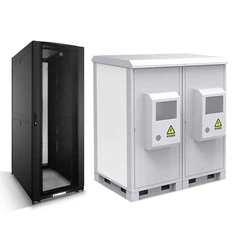
In terms of specific product formats, wall-mounted metal distribution cabinets are well-suited for building power distribution, equipment control, and localized electrical distribution in space-constrained environments. When designing wall-mounted units, it is essential to account for load-bearing capacity, mounting methods, internal component layout, and maintenance access. Particular attention should be paid to ensuring that the cabinet door, when opened, does not obstruct equipment operation, and that the positioning of cable entry and exit points aligns with on-site installation requirements.
Steel distribution cabinets are widely used in industrial power distribution, outdoor electrical installations, and equipment control applications. Factors such as steel plate thickness, bending geometry, weld quality, door sealing, surface coatings, and grounding continuity all influence the mechanical strength and long-term performance of the enclosure. In environments characterized by high humidity, dust, salt spray, or significant temperature fluctuations, it is necessary to select appropriate materials and anti-corrosion treatments tailored to the specific operating conditions.
Modular design does not imply that every product must utilize the same structure. Manufacturing enterprises must determine enclosure dimensions, compartment partitioning, mounting plate structures, and the configuration of functional units based on electrical specifications, installation environments, and maintenance requirements-ensuring an appropriate balance between standardization and project-specific needs.
New Product Demands Driven by Data Centers and DC Power Distribution
The growth of data centers, telecommunications infrastructure, and energy storage systems is driving power distribution equipment toward higher reliability and greater specialization. Compared to power distribution in conventional buildings, these application scenarios are characterized by high load density, long operational uptimes, stringent requirements for power continuity, and frequent equipment expansion.
In data center power supply systems, distribution equipment must integrate with upstream power sources, uninterruptible power supplies (UPS), rack-mounted power distribution units (PDUs), and end-user loads to form a seamless power delivery chain. The design of a data distribution cabinet must account for factors beyond circuit count and rated current, including load distribution, protection selectivity, measurement accuracy, thermal management, and maintenance accessibility.
Applications for DC power distribution are also on the rise. Driven by developments in telecommunications power systems, energy storage, photovoltaic power generation, and specific data center power architectures, the scope for DC distribution equipment is steadily expanding. DC distribution cabinets require the careful selection and configuration of circuit breakers, fuses, busbars, and monitoring devices, based on the DC system's voltage levels, load characteristics, and short-circuit current conditions.
Unlike AC circuits, DC circuits lack a natural zero-crossing point; consequently, interrupting fault currents and managing electrical arcs require different technical approaches. Therefore, the design of DC distribution systems cannot simply replicate the selection criteria used for AC equipment. Instead, it is essential to verify the DC-specific ratings of switching components-such as polarity requirements, breaking capacity, and system-level protection coordination.
In DC power supply systems, DC power distribution cabinets must integrate functions including power input, branch distribution, overcurrent protection, and operational monitoring. For telecommunications equipment, control systems, and industrial DC loads, designs must also account for power redundancy, load prioritization, and fault isolation requirements.
Furthermore, fused distribution cabinets-which utilize fuses for branch-circuit overcurrent protection-are well-suited for power distribution scenarios that demand clear protection hierarchy and effective fault isolation. The rated voltage, rated current, breaking capacity, and time-current characteristics of a fuse must align with the specifications of the protected circuit and load; selection should not be based solely on the rated current.
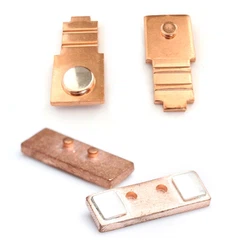
The manufacturing of DC power distribution equipment also involves technical details such as copper busbar connections, insulating supports, terminal securing, creepage distances, and electrical clearances. Parameters such as busbar cross-sectional area, contact surface treatment, fastening mechanisms, and temperature-rise performance must be verified against actual current loads and heat dissipation conditions.
Telecommunications and Fiber Optic Infrastructure Drive the Specialization of Outdoor Distribution Equipment
The expansion of telecommunications networks, the rollout of fiber-optic access, and the upgrading of urban information infrastructure have created a sustained demand for fiber distribution and outdoor communication equipment. Unlike traditional electrical power distribution cabinets, fiber distribution equipment is primarily designed for the termination, securing, splicing, distribution, routing, and protection of optical cables. Its design focuses on fiber management, structural protection, and ease of long-term maintenance.
Outdoor fiber distribution cabinets are typically deployed at nodes within telecommunication networks to facilitate optical cable termination, fiber splicing, and distribution management. These units must be designed to withstand rain, dust, and corrosion, while also providing adequate space for fiber slack storage, ensuring proper bend radii, and allowing for convenient access to fiber connectors.
In scenarios involving fiber network interconnection and distribution, fiber distribution hub cabinets must be configured according to specific network topologies and port capacities. This includes the strategic placement of optical cable anchors, splice trays, adapters, and patch cords. The internal layout should prevent excessive bending or the crossing and crushing of fibers, thereby minimizing signal transmission loss and reducing risks during future maintenance.
Because outdoor fiber optic distribution cabinets are often deployed in complex environments, the choice of enclosure materials, sealing mechanisms, locking systems, ventilation designs, and internal protective measures must account for local conditions-including temperature, humidity, precipitation, and pollution levels. For equipment deployed over the long term-whether along roadsides, within residential areas, or at remote communication nodes-structural durability and ease of maintenance are of critical importance.
Outdoor fiber optic cross-connection cabinets are primarily used for interconnecting optical cable lines and managing the allocation of fiber-optic resources. The internal structure must accommodate requirements such as optical cable anchoring, splice protection, fiber patching, and capacity expansion. During the design phase, factors such as cable entry/exit orientation, splicing capacity, and provisions for future expansion must be carefully considered.
As the number of nodes in communication networks grows, modular fiber cabinets are gaining increasing attention. By utilizing standardized fiber management units and scalable mounting structures, these cabinets can adapt to varying port counts and network configurations, thereby reducing the scope of work required for future equipment upgrades.
Although these products serve different functions than traditional electrical distribution cabinets, they share similar manufacturing requirements-including precision in sheet metal fabrication, door panel construction, sealing design, surface protection, and assembly consistency. Manufacturers can tailor their structural component fabrication and quality inspection processes to suit the specific requirements of different types of communication equipment.
Outdoor Distribution Equipment Imposes Stricter Requirements on Enclosure Protection and Manufacturing Processes
The operating environment of distribution equipment directly dictates its structural design and manufacturing approach. While indoor equipment focuses primarily on installation space, heat dissipation, operational safety, and ease of maintenance, outdoor equipment must also account for factors such as precipitation, dust, UV exposure, temperature fluctuations, corrosive elements, and potential vandalism.
The structural design of an outdoor distribution cabinet-including its ingress protection (IP) rating, door sealing mechanism, ventilation layout, and surface treatment-must be determined based on its specific installation location and operating environment. For equipment exposed to the outdoors for extended periods, simply increasing the thickness of the sheet metal is insufficient to ensure weather resistance; one must also consider weld quality, the fit of door panels, the compression of sealing gaskets, and effective drainage design.
For outdoor fiber optic distribution cabinets, the primary protective objective is to maintain a stable internal environment, shielding fiber connections and distribution components from moisture, dust, and external physical impact. In contrast, electrical distribution cabinets require additional considerations, such as the protection of live components, grounding continuity, and electrical insulation safety.
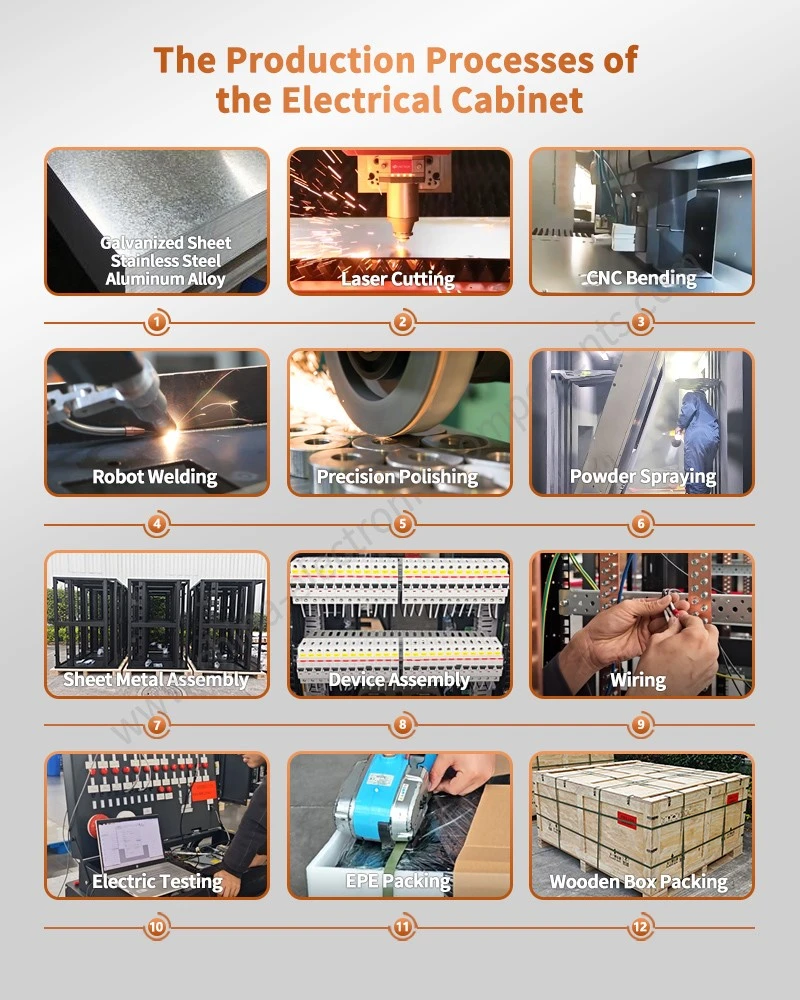
The manufacturing process for distribution cabinets typically encompasses several stages: sheet metal cutting, stamping, bending, welding, grinding, surface treatment, assembly, and final product inspection. The dimensional precision of an enclosure affects the fit of door panels, the positioning of mounting plates, and the effectiveness of seals. Welding-induced deformation can lead to structural dimensional deviations, while the quality of the coating determines the equipment's long-term corrosion resistance.
Consequently, manufacturers must establish a comprehensive quality control system that spans the entire process-from the inspection of raw materials to the final dispatch of finished products. For mass-produced items, the focus should be on ensuring consistent sheet metal dimensions, minimizing welding deformation, maintaining uniform surface coatings, and achieving high assembly precision. For customized equipment, the process should include thorough drawing reviews, validation of manufacturing procedures, and the definition of inspection requirements for critical dimensions prior to production.
Competitive Focus in the Power Distribution Cabinet Industry Shifts Toward System Capabilities and Full-Lifecycle Quality Management
As end-user procurement requirements become increasingly stringent, the criteria for evaluating power distribution equipment are shifting. The focus is moving beyond mere purchase price toward a holistic assessment that encompasses product performance, operational reliability, delivery capabilities, and long-term maintenance costs.
For engineering projects, power distribution equipment must not only comply with design blueprints and technical specifications but also align with on-site installation conditions, upstream power supply systems, and downstream loads. Factors such as ease of inspection and repair, the availability of replacement parts, and the speed with which faults can be identified all significantly impact the overall operational costs of a project.
Manufacturers of power distribution equipment should enhance their competitiveness in three key areas:
First is product design capability. Companies must be able to design enclosure structures, electrical component layouts, busbar connections, and functional unit configurations tailored to specific project requirements-while also accounting for heat dissipation, insulation, grounding, and maintenance access during the design phase.
Second is manufacturing and quality control capability. Robust process standards must be established for sheet metal fabrication, stamping, bending, welding, surface treatment, and electrical assembly. For critical connection points, verification-covering dimensions, fastening integrity, electrical conductivity, and temperature rise-should be conducted in accordance with design specifications to ensure full product traceability.
Finally, there is the ability to adapt product series to specific project needs. Since different clients have varying requirements regarding equipment capacity, installation methods, enclosure dimensions, and protection levels, manufacturers must strike a balance by offering standardized products while maintaining a reasonable scope for customization.
For various types of equipment-such as cabinets-the internal structure must be tailored to specific requirements, including cable entry, circuit distribution, and on-site maintenance needs, rather than relying on a one-size-fits-all enclosure design.
Industry competitiveness is not determined solely by the number of integrated intelligent modules. The long-term operational reliability of power distribution equipment fundamentally depends on how well the product aligns with actual application conditions, the soundness of its structural design, the reliability of its critical components, and the consistency of its manufacturing process.
Project Procurement Should Be Based on Application Conditions
The procurement of power distribution cabinets and related wiring equipment requires a comprehensive assessment that considers the project's electrical system, installation environment, and long-term operation and maintenance (O&M) requirements. Before selecting a supplier or product solution, the purchaser should clearly define parameters such as rated voltage, rated current, short-circuit withstand capacity, number of circuits, ingress protection (IP) rating, mounting method, enclosure dimensions, and cable entry/exit requirements. For projects involving intelligent monitoring, it is also necessary to confirm communication protocols, data acquisition scope, monitoring interfaces, and system compatibility.
For outdoor equipment, the focus should be on enclosure materials, surface anti-corrosion treatments, sealing structures, and environmental adaptability. For data centers and DC power distribution projects, attention should be directed toward power supply architecture, protection coordination, busbar current-carrying capacity, temperature rise control, and scalability for future expansion. Fiber-optic distribution equipment requires specifications regarding port capacity, optical cable entry methods, splicing capacity, and internal fiber management.
From the perspective of the manufacturer, the procurement evaluation should extend beyond the final product price. It should also encompass the supplier's capabilities in technical drawing refinement, sheet metal fabrication, welding and surface treatment processes, quality inspection protocols, and the consistency of batch delivery. For non-standard (custom) projects, early-stage technical communication and sample verification can help mitigate risks during subsequent installation, commissioning, and operational phases.
When planning for industrial power distribution cabinets, data center power equipment, outdoor communication cabinets, or DC power distribution products, project purchasers should provide detailed product drawings, technical specifications, installation environment data, projected quantities, and key performance requirements to facilitate a targeted assessment with the manufacturer. By confirming the enclosure structure, material selection, manufacturing processes, and assembly requirements early on, stakeholders can clarify product manufacturability, establish sample verification plans, and finalize mass production schedules-thereby laying a reliable foundation for successful project delivery and long-term operation.
contact us
Send Inquiry