





China’s Power Distribution Cabinet Industry Accelerates Transition Toward Intelligence And Modularity: Market Upgrades Driven By Demand From Data Centers, New Energy, And Industrial Power Distribution
Nov 24, 2026
Leave a message
With the development of new power systems, the digital transformation of industry, and the continued advancement of new energy projects, China's power distribution cabinet industry has entered a critical phase of technological upgrading and structural adjustment. Power distribution equipment is no longer limited to traditional functions like power distribution and circuit protection; it is evolving toward intelligent monitoring, remote operation and maintenance, modular configuration, and system integration. Meanwhile, the growing demands for power continuity, electrical safety, and distribution efficiency-driven by data centers, energy storage stations, photovoltaic plants, and smart manufacturing facilities-are pushing power distribution cabinets toward greater specialization and application-specific design.
Upgrading Power Distribution Infrastructure: Sustained Industry Growth
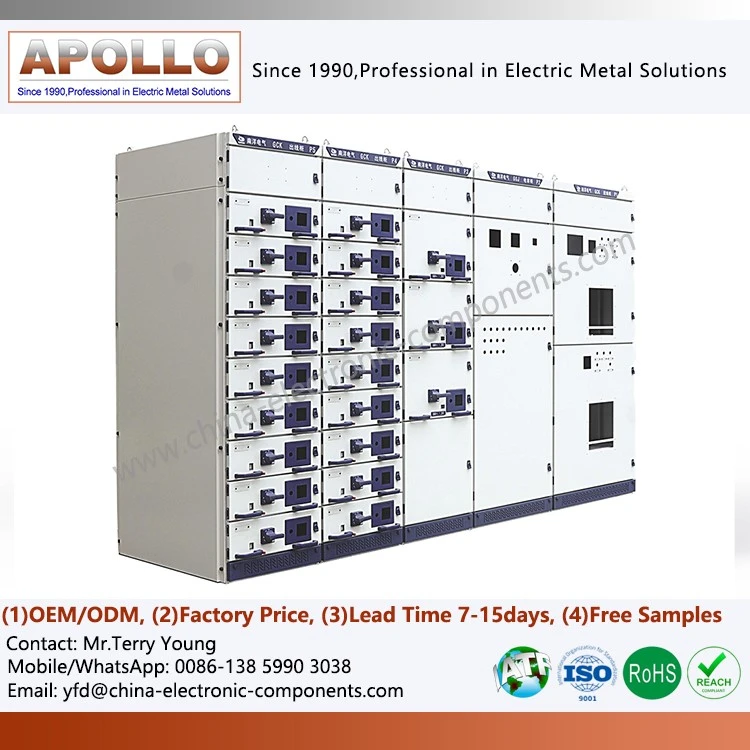
Power distribution cabinets are essential components at the end of the power system, handling tasks such as power distribution, circuit control, overload and short-circuit protection, and operational status monitoring. They are widely used in industrial plants, commercial buildings, public facilities, new energy power stations, and telecommunications infrastructure. As electrical loads continue to rise and requirements for power reliability across various settings become more stringent, traditional power distribution equipment is undergoing structural optimization and functional expansion.
In terms of application, the industrial sector remains a major source of demand. Smart manufacturing lines, automated equipment, and industrial control systems require a stable power supply, placing higher demands on circuit configuration, protection coordination, heat dissipation, and ease of maintenance. In commercial buildings and public facilities, the focus shifts toward the safety of the power distribution system, space utilization, and the efficiency of long-term management.
As urban power grids are upgraded and infrastructure is developed, there is a steady demand for the replacement of low-voltage power distribution equipment. Because different installation environments impose varying requirements for ingress protection (IP) ratings, enclosure materials, and internal layout, the industry is moving toward a model that balances standardization with customization.
Data Center Development Drives Upgrades to High-Density Power Distribution Equipment
The growth of cloud computing, artificial intelligence, and large-scale data processing has led to a continuous increase in power loads within data centers. An expanding number of server racks, higher power density per rack, and increasingly complex power supply architectures have raised the requirements for the capacity, redundancy, and operational monitoring capabilities of power distribution systems.
Power distribution systems in data centers must manage the intake, distribution, and protection of multiple power sources within a limited space, while simultaneously ensuring load balancing, fault isolation, and real-time monitoring of operational status. Distribution cabinets for data centers have evolved from simple power distribution structures into integrated solutions. Equipment design must account not only for rated current and short-circuit withstand capacity but also for the specific power supply architecture of the data center, server load characteristics, and operational workflows.
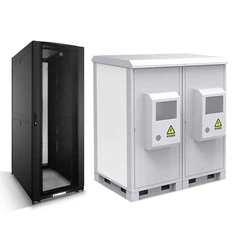
At the server cabinet level, power distribution must be carefully coordinated with server racks, busbar systems, UPS units, and end-of-row (EOR) power distribution equipment. In high-density data centers, factors such as the physical layout of the power distribution cabinet, cable entry and exit methods, circuit breaker configuration, and thermal management design significantly impact both installation efficiency and long-term operational stability.
Meanwhile, the use of DC distribution cabinets in direct-current (DC) power systems is gaining traction. With the advancement of DC power supply technologies, energy storage systems, and power electronics for renewable energy, DC distribution equipment must be engineered to accommodate various voltage levels, current capacities, and protection schemes-addressing critical challenges such as DC fault-current interruption, insulation coordination, and connection reliability.
Intelligent power distribution has emerged as a key focus for product and technological upgrades
Traditional power distribution cabinets rely primarily on circuit breakers, contactors, relays, and basic metering instruments to manage power distribution and provide fundamental protection. With the integration of sensors, communication modules, and edge control technologies, modern power distribution equipment now incorporates data acquisition capabilities for parameters such as temperature, current, voltage, power, and switch status.
Intelligent distribution cabinets typically utilize smart meters, communication interfaces, and monitoring units to aggregate operational data, which is then transmitted to a centralized monitoring platform. This allows operations and maintenance (O&M) personnel to stay informed about circuit load fluctuations, abnormal temperature rises, and equipment status in real time-reducing the need for manual inspections and providing a data-driven foundation for fault analysis and preventive maintenance.
Intelligent design also necessitates careful attention to communication protocols, data interfaces, and system compatibility. Before deployment, the communication methods, measurement accuracy, alarm logic, and data transmission requirements must be aligned with the site's control system to prevent integration issues caused by incompatible interfaces. For industrial parks, commercial buildings, and large-scale infrastructure projects, the ability of power distribution equipment to interoperate with energy management systems has increasingly become a critical criterion in the procurement and evaluation process.
Modular Structures Enhance Flexibility in Power Distribution System Configuration
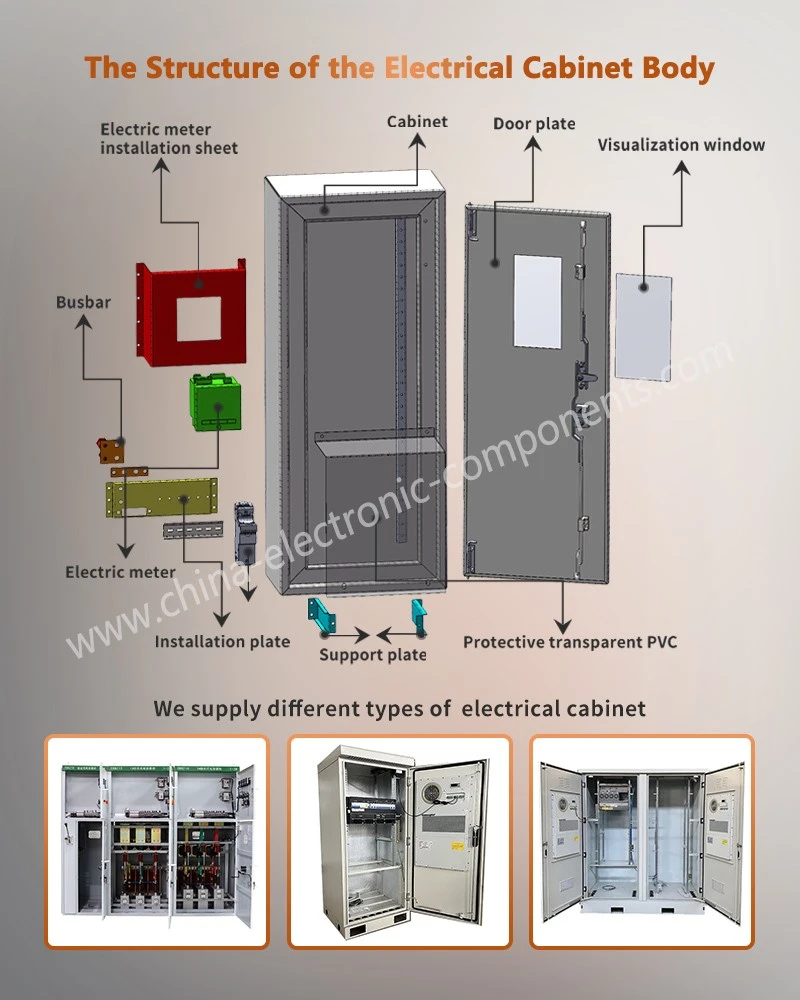
Projects vary significantly in terms of electrical load, available installation space, and the number of circuits; consequently, fixed-structure power distribution cabinets often struggle to balance the need for future capacity expansion with efficient space utilization. Modular design-utilizing standardized functional units, configurable cabinet structures, and partitioned layouts-allows equipment to be tailored to the specific requirements of each project.
Modular power distribution cabinets can be organized into internal units based on functions such as incoming lines, feeders, metering, control, and protection. This facilitates manufacturing, on-site installation, and long-term maintenance. For projects involving phased construction or requiring provisions for future expansion, a modular structure minimizes the impact that subsequent modifications may have on the existing power distribution system.
Modular fiber cabinets, by contrast, are designed for the centralized management and connectivity of fiber-optic communication networks. They prioritize the logical arrangement of fiber-optic cable entry, splicing, distribution, and patch-cord management. While they serve different applications than power distribution equipment, both types rely on well-organized modular layouts to enhance the efficiency of installation and maintenance.
Fiber-Optic Communication Networks Drive the Development of Outdoor Distribution Equipment
The rollout of 5G communications, broadband networks, smart cities, and the industrial internet has led to a continuous expansion in fiber-optic access and the deployment of communication nodes. Fiber-optic distribution equipment must be adaptable to diverse environments, including indoor equipment rooms, building utility closets, roadside communication nodes, and outdoor sites.
Outdoor fiber distribution cabinets are primarily used for the entry, anchoring, splicing, distribution, and protection of outdoor fiber-optic cables. Because they are exposed to the elements, these cabinets must be designed to withstand rain, dust, corrosion, and temperature fluctuations. For outdoor installations, factors such as the cabinet's sealing structure, door-locking mechanisms, internal cable routing space, and grounding provisions are critical to operational reliability.
The design of outdoor fiber-optic distribution cabinets should also account for local climatic conditions and specific installation methods when selecting materials and surface treatments. In environments characterized by high humidity, coastal proximity, or significant industrial pollution, it is essential to carefully evaluate the corrosion resistance of metal enclosures, the aging characteristics of sealing materials, and the risk of internal condensation.
A Fiber Distribution Hub (FDH) cabinet is typically used for the centralized distribution and connection management of fiber-optic networks, making it suitable for communication access nodes and regional fiber-optic cable distribution. The configuration of an optical distribution cabinet-including fiber core count, adapter types, the number of splice trays, and cable entry/exit methods-must be tailored to meet the installation requirements of various network scales.
In urban settings and public infrastructure, a street distribution cabinet must balance outdoor protection and equipment security with ease of on-site maintenance. The cabinet structure should provide sufficient operating space based on the specific installation site, while also incorporating well-planned cable entries, internal mounting brackets, and protective components.
Continuous Optimization of Materials and Structural Design for Distribution Cabinets
The cabinet structure serves as the foundation for providing mechanical protection and housing internal components in power distribution equipment. Common materials include cold-rolled steel, stainless steel, and aluminum alloy; the choice depends on the operating environment, load-bearing requirements, cost constraints, and corrosion resistance needs.
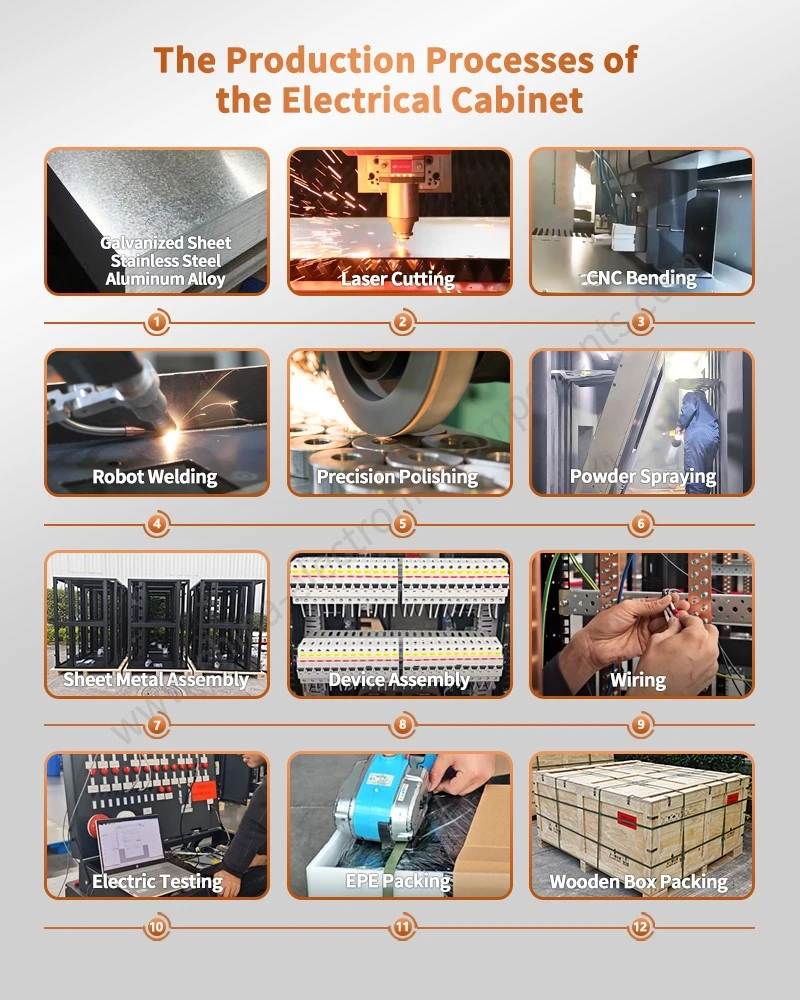
Steel distribution cabinets offer excellent structural strength and manufacturing versatility, making them ideal for industrial power distribution, equipment control, and outdoor electrical installations. The manufacturing process typically involves laser cutting, CNC punching, bending, welding, grinding, surface treatment, and assembly. For designs featuring complex cutouts, mounting brackets, or stiffening ribs, factors such as sheet thickness, bend radii, welding-induced deformation, and assembly tolerances must be carefully considered during the design phase.
Wall-mounted metal distribution cabinets are designed for building power distribution and equipment control scenarios where space is limited. These cabinets feature a compact design that ensures an efficient layout of circuit breakers, terminal blocks, DIN rails, and cable pathways, while maintaining convenient access for opening doors, connecting wiring, and performing routine maintenance.
Cable distribution cabinets require careful internal planning based on the number of cables, wire gauges, bend radii, and the direction of cable entry and exit. The interior should be organized with appropriate cable anchor points, partitions, and grounding connections to minimize cable crossing, compression, or unnecessary bending, thereby reducing operational risks during installation and maintenance.
For scenarios involving the centralized entry and distribution of electrical cables, the design of distribution cabinets must account for cable entry/exit points, sealing mechanisms, space for terminal installation, and the required ingress protection (IP) rating. When multiple voltage levels or distinct functional circuits are involved, electrical separation and isolation must be implemented in accordance with applicable standards and project-specific requirements.
Emphasis on Fused Protection and Power Distribution Safety
The safe operation of a power distribution system relies on a well-planned protection scheme. Circuit breakers, fuses, disconnect switches, and protective relays must be selected based on load characteristics, circuit parameters, and potential fault current levels to ensure that faulty circuits are promptly disconnected in the event of an overload or short circuit.
Fused distribution cabinets utilize fuses and associated protective components to provide overcurrent protection for specific circuits; they are well-suited for applications requiring branch-circuit protection and fault isolation. During the design phase, it is essential to verify fuse current ratings, breaking capacities, mounting methods, and the selectivity (coordination) between upstream and downstream protective devices to prevent inadequate protection coverage or delayed fault clearing.
Conductive connections within a distribution cabinet are also critical to system reliability. Copper busbars, terminal blocks, and cable connection points must meet specific current-carrying requirements, with careful control over contact resistance and temperature rise at connection points. For high-current circuits, design verification must account for factors such as busbar cross-sectional area, installation spacing, support structures, and heat dissipation. Furthermore, the continuity of the cabinet's grounding system, insulation clearances, and protective enclosure integrity must be included in the overall quality validation process.
Industry Competition Shifts from Simple Manufacturing to Comprehensive System Integration
As the application scenarios for power distribution equipment become increasingly specialized, market competition has shifted from basic enclosure fabrication and the supply of standardized products toward a broader capability-encompassing electrical design, structural manufacturing, component integration, quality control, and delivery services.
For equipment manufacturers, it is necessary not only to meet the structural and assembly requirements for various cabinet types but also to possess the expertise to evaluate project blueprints and translate them into production-ready specifications. While standardized products help improve production efficiency, customized configurations require careful consideration during the design phase-specifically regarding installation interfaces, component layout, cable management, and future maintenance requirements.
Market offerings-such as the Primex P4200-highlight the importance placed during the procurement process on specific model designations, structural specifications, and application suitability. When selecting equipment for a project, one must rely on official technical documentation, rated parameters, and applicable standards provided by the manufacturer; a model name alone is insufficient to determine whether a unit meets on-site requirements.
As the development of data centers, new energy power systems, industrial automation, and communication infrastructure continues, power distribution equipment is evolving toward greater intelligence, modularity, sustainability, and customization. Manufacturers with capabilities in structural design, precision sheet metal fabrication, electrical assembly, and quality traceability will find more opportunities to supply projects within specialized market segments.
Focusing on Technical Compatibility and Manufacturing Quality in Engineering Procurement
For procurement professionals and equipment integrators, selecting a power distribution cabinet requires looking beyond external dimensions or a single rated parameter. It is essential to consider the specific application environment-evaluating factors such as mounting methods, material types and thicknesses, cable entry/exit configurations, ingress protection (IP) ratings, internal component layouts, rated current, short-circuit withstand capacity, and surface treatment requirements. Because operating environments differ-ranging from data centers and outdoor communication nodes to industrial power distribution sites-the focus for product design and inspection must be tailored accordingly.
When procuring custom power distribution cabinets or metal enclosures, it is advisable to provide detailed specifications-including product drawings, dimensions, material requirements, mounting interfaces, cutout layouts, surface finishes, and the intended operating environment-well in advance.
This allows the manufacturer to assess the feasibility of sheet metal fabrication, welding, assembly, and structural tolerances. For projects involving busbars, cable connections, and the installation of electrical components, it is also necessary to confirm current-carrying requirements, connection methods, and relevant verification standards.
If your project requires the development of custom power distribution cabinets, fiber optic distribution cabinets, data center power distribution units, or other metal electrical enclosures, please submit your technical drawings and specific application requirements. We would be pleased to discuss structural design, material selection, manufacturing processes, prototype validation, and mass production solutions with you.
contact us
Send Inquiry