










Electric Distribution Cabinets: Classification, Functions and Industrial Applications
Nov 20, 2026
Leave a message
Electric distribution cabinets are essential components of electrical power distribution systems. They house circuit breakers, busbars, protection devices, metering instruments and control components to distribute electrical energy safely from incoming power sources to downstream circuits. Their configuration depends on voltage level, rated current, load characteristics, installation environment and operational requirements.
As industrial automation, commercial infrastructure and digital facilities continue to develop, distribution equipment is increasingly designed to support electrical protection, power monitoring and remote operation. Understanding cabinet classifications, internal structures and application requirements is important for electrical engineers, system integrators and equipment procurement professionals.
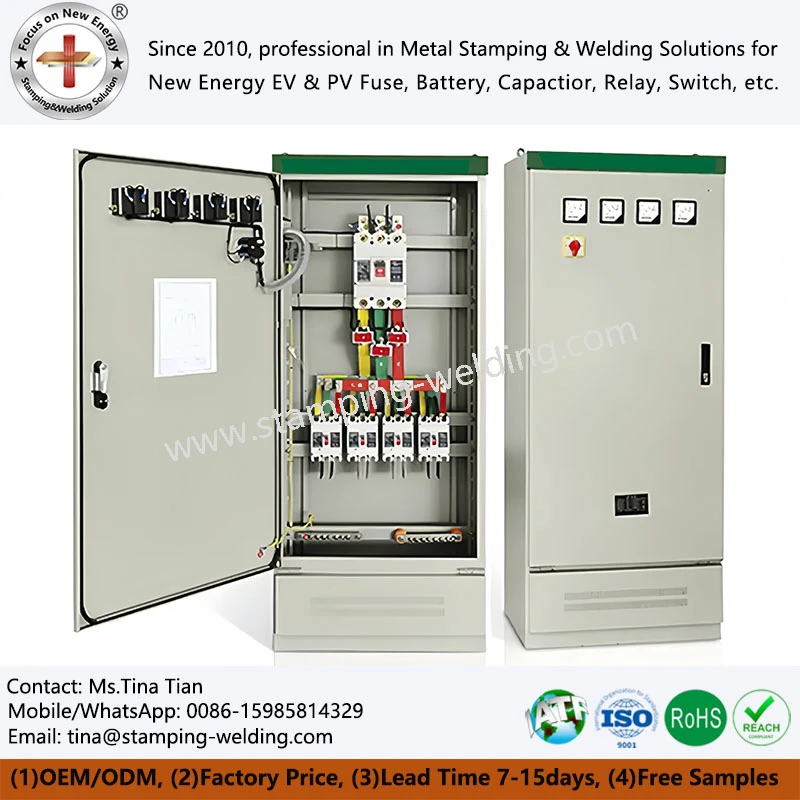
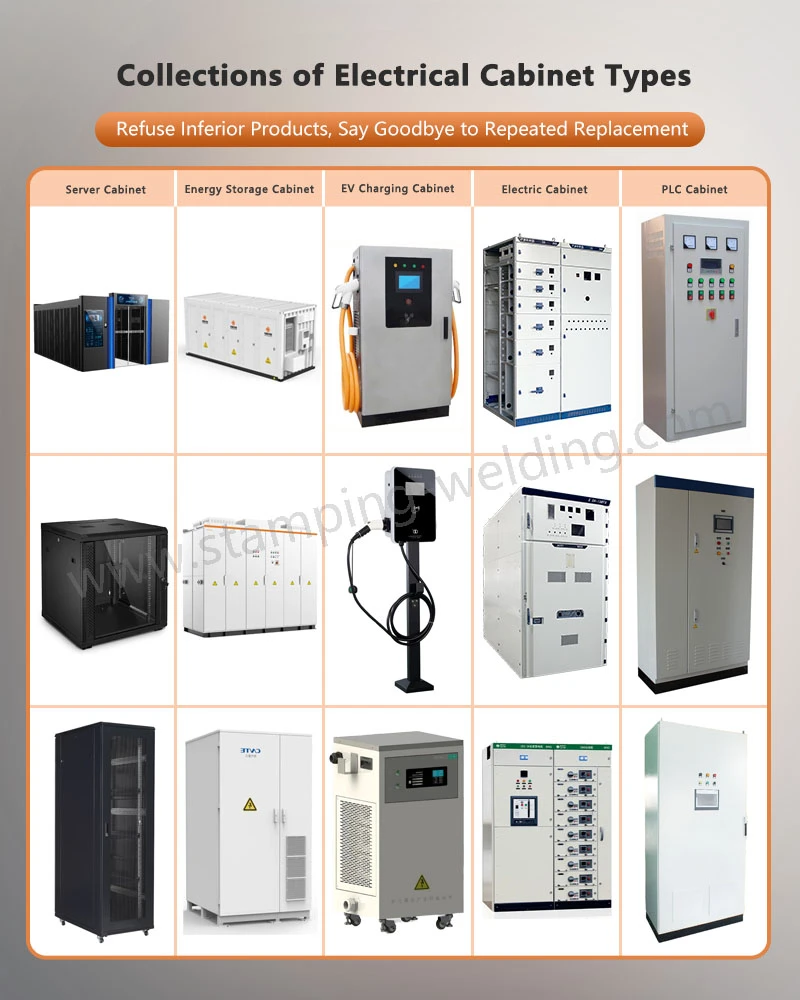
Main Classifications of Electrical Distribution Cabinets
Electrical distribution cabinets can be classified according to voltage level, structural design, installation environment and functional purpose. Each classification addresses different electrical loads and operating conditions.
Classification by Voltage Level
Voltage level is one of the primary factors in selecting electrical distribution equipment.
- Low-voltage distribution cabinets: Generally used in systems rated up to 1,000 V AC or 1,500 V DC. They distribute power to motors, lighting circuits, industrial equipment and building electrical systems.
- High-voltage distribution cabinets: Commonly used in medium- and high-voltage networks, including 10 kV and 35 kV systems. They accommodate switching, isolation, protection and measurement functions in power distribution networks.
A low voltage distribution cabinet typically contains molded-case circuit breakers (MCCBs), miniature circuit breakers (MCBs), contactors, current transformers and protective relays. Its design must account for rated current, short-circuit breaking capacity, temperature rise and insulation coordination.
High-voltage equipment requires appropriate insulation distances, interlocking mechanisms, fault interruption capability and protection coordination. The specific configuration depends on the system voltage and applicable electrical standards.
Classification by Structural Design
The internal arrangement of a cabinet affects maintenance access, component replacement and operational flexibility.
Fixed-type distribution cabinets
Fixed-type cabinets have electrical components installed in predetermined positions. Their relatively straightforward construction makes them suitable for general industrial distribution systems and applications with stable load configurations.
Drawer-type distribution cabinets
Drawer-type cabinets use removable functional units for individual outgoing circuits. This arrangement allows maintenance personnel to inspect or replace certain units without dismantling the entire cabinet. They are commonly used in industrial plants where multiple motor feeders and distribution circuits require independent management.
Enclosed distribution cabinets
Enclosed cabinets provide physical protection for internal electrical components. Depending on their enclosure design and IP rating, they can be installed indoors or outdoors. A street distribution cabinet, for example, is designed for outdoor electrical distribution and must consider moisture, dust, corrosion, temperature fluctuations and unauthorized access.
Classification by Functional Purpose
Different electrical loads require different cabinet configurations.
- Power distribution cabinets: Distribute electrical energy to multiple downstream circuits.
- Motor control centers (MCCs): Integrate motor starters, contactors, overload relays and control circuits.
- Lighting distribution cabinets: Supply and protect lighting circuits in buildings and public facilities.
- Intelligent distribution cabinets: Integrate measurement, communication and monitoring devices for electrical system management.
An fdh cabinet may refer to a specialized cabinet designation in a particular project or equipment specification. Its exact function should be confirmed through the manufacturer's technical documentation rather than assumed from the abbreviation alone.
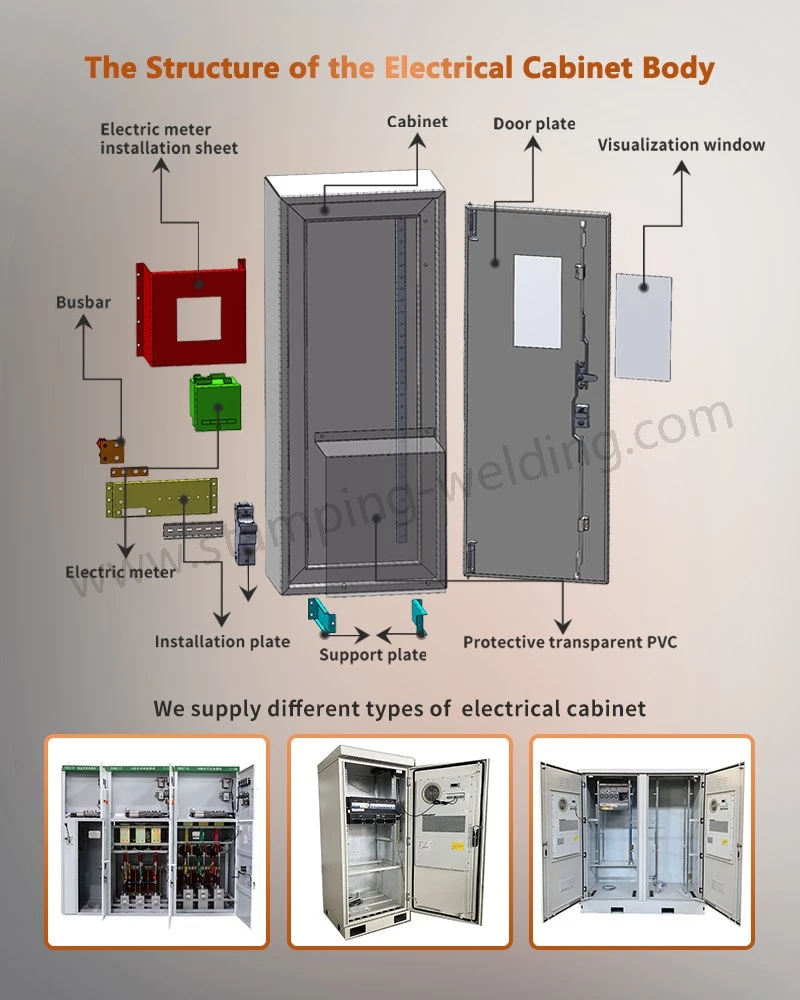
Core Functions and Internal Electrical Components
The primary function of a distribution cabinet is not simply to divide electrical power into several circuits. It must also provide switching, isolation, fault protection, measurement and system control.
Power Distribution and Circuit Switching
Incoming electrical power enters through the main circuit breaker or switching assembly and is distributed through the main busbar system to outgoing feeder circuits.
Copper and aluminum are commonly used for busbars. Their selection depends on electrical conductivity, rated current, thermal performance, mechanical strength and project cost.
The busbar arrangement must be designed to withstand normal operating temperatures and the electromagnetic forces generated during short-circuit conditions.
Overload and Short-Circuit Protection
Circuit breakers and protective relays detect abnormal electrical conditions and disconnect affected circuits when predefined protection thresholds are reached.
Typical protection functions include:
- Overload protection against excessive current over time.
- Short-circuit protection against high fault currents.
- Earth-fault protection for detecting abnormal current paths to ground.
- Undervoltage and overvoltage protection where required.
- Phase-loss and phase-sequence protection for applicable three-phase loads.
Protection settings must coordinate with the electrical characteristics of downstream equipment to minimize unnecessary interruptions while maintaining fault protection.
Electrical Measurement and Monitoring
Modern distribution systems commonly integrate digital meters, current transformers (CTs), voltage transformers (VTs), power monitoring instruments and communication modules.
These components can monitor:
- Voltage and current.
- Active and reactive power.
- Power factor.
- Electrical energy consumption.
- Frequency and phase imbalance.
- Circuit breaker status and fault alarms.
In facilities with extensive electrical infrastructure, monitoring data can be transferred to a supervisory control and data acquisition (SCADA) system or building management system (BMS).
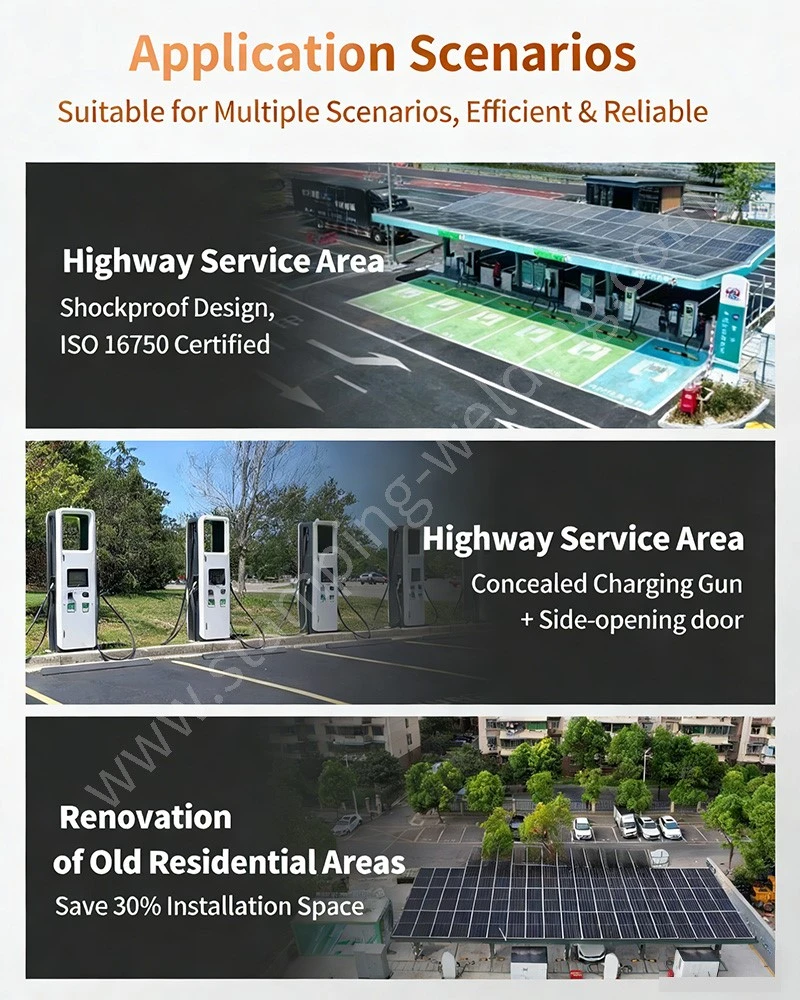
Distribution Cabinets for Different Industrial Applications
Distribution cabinet configurations vary according to the electrical loads, environmental conditions and continuity requirements of different industries.
Industrial Manufacturing Facilities
Factories typically use a hierarchical distribution architecture. Incoming power is supplied to the main distribution system, then divided into workshop distribution circuits and individual machine feeders.
Motor control centers manage motors, pumps, compressors and production equipment. Protection settings must consider motor starting current, operating cycles and the characteristics of connected loads.
In industrial projects, cabinet selection also requires attention to fault levels, ambient temperature, enclosure protection and maintenance accessibility.
Commercial Buildings and Residential Electrical Systems
Commercial buildings use distribution equipment to supply lighting, HVAC systems, elevators, fire protection equipment and other building services.
A home distribution cabinet is generally smaller and designed around residential branch circuits. It commonly contains miniature circuit breakers, residual-current protection devices and surge protective devices where required.
For commercial buildings, circuit grouping and load balancing are important for preventing overloads and maintaining operational flexibility.
Data Centers and Server Infrastructure
Data centers require carefully coordinated electrical distribution systems because interruptions can affect server availability, storage systems and network services.
A server cabinet power distribution arrangement generally includes rack-level power distribution units (PDUs), upstream distribution panels and redundant power sources.
Critical facilities may use dual power paths, automatic transfer switches (ATS), uninterruptible power supplies (UPS) and backup generators. The actual architecture depends on the required availability level and the redundancy strategy.
A server cabinet distributes power within an equipment rack, while the upstream electrical distribution system supplies and protects the larger facility.
Fiber Optic Communication Infrastructure
Telecommunications networks use specialized enclosures to organize and protect optical fiber connections. These cabinets differ fundamentally from conventional electrical power distribution cabinets.
A fiber optic cabinet provides an enclosure for fiber termination, splicing, connection and cable management. Depending on its configuration, it may be installed indoors, outdoors or in telecommunications access networks.
An ODF cabinet (Optical Distribution Frame cabinet) is commonly used to organize optical fiber termination and cross-connections in communication rooms and data centers.
An optical distribution cabinet may be used for fiber distribution and connection between feeder cables and distribution cables. A fibre distribution cabinet is another commonly encountered industry term for equipment serving this type of network function.
The term fiber optic distribution cabinet is generally associated with optical network infrastructure rather than low-voltage power distribution.
Some network equipment specifications also identify particular cabinet models, such as Primex P4200. Model-specific dimensions, mounting arrangements and cable capacities should be verified against the corresponding product documentation.
Technical Parameters for Distribution Cabinet Selection
Selecting a distribution cabinet requires an assessment of electrical performance, mechanical construction and installation conditions.
| Technical parameter | Selection considerations |
|---|---|
| Rated voltage | Must match the electrical system |
| Rated current | Must accommodate the calculated load current |
| Short-circuit capacity | Must meet the prospective fault current |
| Busbar material | Copper or aluminum according to electrical requirements |
| Enclosure material | Cold-rolled steel, stainless steel or other specified materials |
| IP protection rating | Selected according to dust and water exposure |
| Temperature rise | Must remain within applicable component and assembly limits |
| Insulation coordination | Must meet system voltage and transient requirements |
| Electrical clearance | Must comply with applicable design standards |
| Component certification | Must meet destination-market and project requirements |
The IP rating is particularly important for outdoor installations. For example, cabinets exposed to rain, dust or corrosive atmospheres may require enhanced enclosure protection and suitable surface treatments.
Internal ventilation, heat dissipation and component spacing must also be evaluated. Excessive temperature can accelerate insulation aging and reduce the service life of electrical components.
Relevant standards may include IEC 61439 for low-voltage switchgear and controlgear assemblies and IEC 62271 for high-voltage switchgear and controlgear. Applicable requirements depend on the equipment category and project specification.
Consult Our Electrical Engineers Today
Intelligent Monitoring and Digital Distribution Systems
The development of smart grids and industrial Internet of Things (IIoT) technologies is changing how distribution cabinets are monitored and maintained.
Intelligent cabinets can integrate smart meters, communication gateways, temperature sensors and circuit monitoring devices. Through industrial communication protocols, operating information can be transferred to centralized monitoring platforms.
Common monitoring functions include:
- Real-time electrical parameter measurement.
- Remote monitoring of circuit breaker operating status.
- Abnormal temperature and overload alarms.
- Historical energy consumption analysis.
- Fault event recording and maintenance notifications.
These functions help facility operators identify abnormal operating conditions and arrange maintenance before equipment failures cause larger interruptions.
However, digital monitoring does not replace conventional electrical protection. Circuit breakers, protective relays, grounding systems and mechanical interlocks remain essential safety elements.
Key Considerations Before Purchasing Distribution Cabinets
Before specifying or purchasing a distribution cabinet, engineers and procurement teams should establish the following requirements:
Electrical system requirements: Confirm rated voltage, frequency, phase configuration, rated current, load characteristics and prospective short-circuit current.
Installation environment: Determine whether the cabinet will be installed indoors or outdoors. Evaluate humidity, dust, temperature, vibration and corrosive exposure.
Structural configuration: Select fixed-type, drawer-type or enclosed construction according to maintenance requirements, available installation space and circuit arrangements.
Protection and certification: Verify circuit breaker breaking capacity, protection coordination, enclosure IP rating and applicable product standards.
Maintenance requirements: Consider wiring access, component replacement, ventilation, inspection space and future circuit expansion.
System compatibility: Confirm that the cabinet interfaces correctly with upstream power sources, downstream equipment, monitoring systems and communication networks.
A properly specified distribution cabinet must match the actual electrical system rather than being selected solely by enclosure size or rated current.
Conclusion
Electric distribution cabinets perform essential functions in industrial power systems, commercial buildings, residential installations, data centers and telecommunications infrastructure. Their classifications depend on voltage level, structural design, installation environment and functional purpose.
For electrical engineers and system integrators, correct equipment selection requires evaluating rated voltage, current capacity, short-circuit withstand capability, protection coordination, enclosure rating and thermal performance. As intelligent monitoring becomes more widely adopted, distribution cabinets are also evolving into integrated platforms for electrical measurement, operational supervision and preventive maintenance.
Understanding these technical requirements provides a practical foundation for designing safe, maintainable and properly coordinated electrical distribution systems.
contact us
Send Inquiry