










Application and Development Trend of Heat Shrinkable Insulation Technology in Substation Copper Busbar Protection
Jun 16, 2026
Leave a message
With the continuous increase in power system capacity and the increasingly complex operating environment of substations, exposed conductors face various risks such as flashover, condensation, icing, salt spray corrosion, and short circuits caused by foreign objects. In recent years, heat-shrinkable insulation materials, due to their excellent electrical performance and ease of construction, have gradually become an important solution for substation busbar insulation protection and are widely used in insulation upgrade projects for various copper busbars.
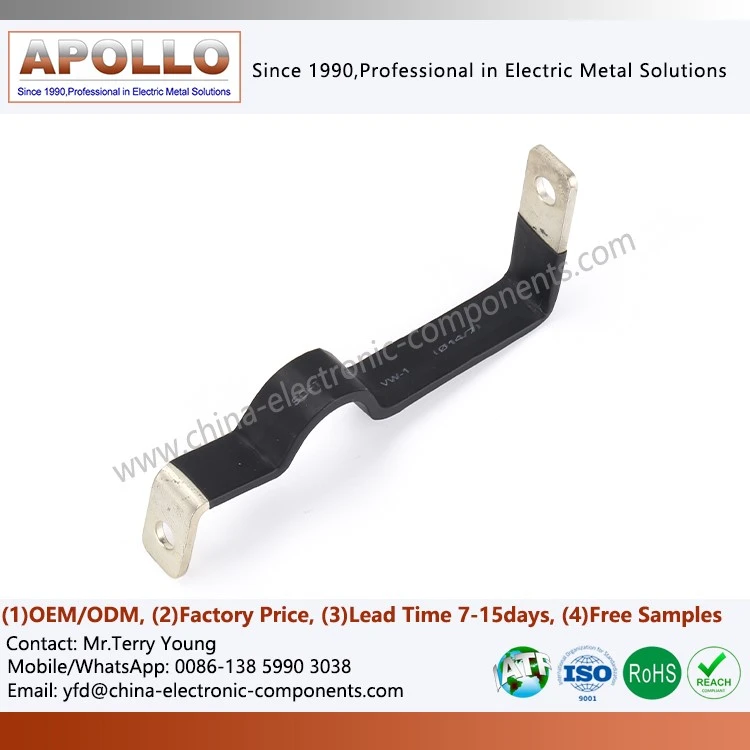
Basic Principles of Heat-Shrinkable Insulation Materials
Heat-shrinkable materials are high-molecular shape memory materials that form a stable three-dimensional network structure through radiation cross-linking or chemical cross-linking processes. After expansion treatment, the material can return to its original size under heat, thus tightly covering the conductor surface and achieving insulation, moisture protection, and corrosion resistance.
In power systems, Heat Shrink Tube Insulation Copper Busbar technology mainly involves installing heat-shrinkable tubing or tape on the surface of exposed conductors. Through heating and shrinking, a complete insulation layer is formed, improving the safety and reliability of equipment operation.
Common Types of Heat-Shrinkable Insulation Products in Substations
Depending on the application scenario, heat-shrinkable insulation materials can be divided into several forms.
Heat-shrinkable busbar tubing is primarily used in busbar and distribution busbar systems. It can be used for overall insulation treatment of copper busbars with heat-shrinkable tube insulation, suitable for new projects and equipment upgrades.
Heat-shrinkable insulation wrapping tape is suitable for conductors with complex structures or those difficult to disassemble. It can be directly wrapped around the conductor surface to form a continuous insulation layer, commonly seen in copper busbar connections with heat-shrinkable tube insulation.
Insulation protection boxes are mainly used at busbar connection points, disconnector switch connection terminals, and areas with special, irregularly shaped conductors, enabling rapid assembly and disassembly and subsequent maintenance.
Creep distance extension devices are widely used in post insulators and outdoor equipment, effectively improving insulation levels in polluted environments.
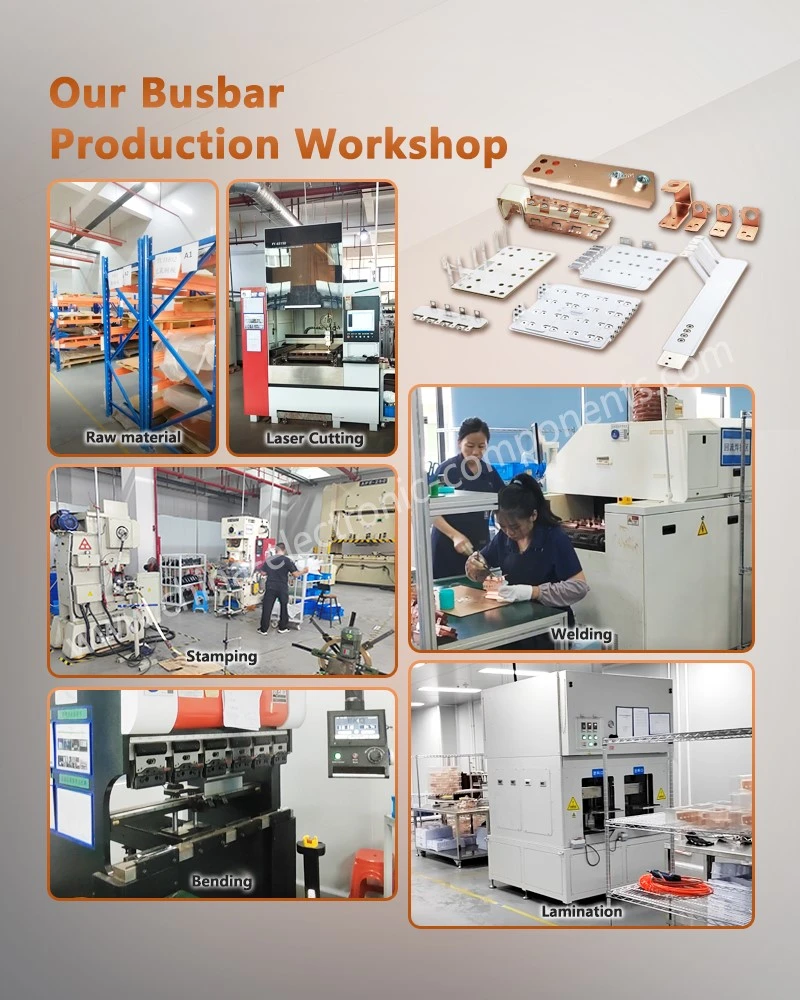
Core performance advantages of heat-shrinkable insulation materials: Excellent electrical insulation capability
After heat shrinking, a uniform and dense insulation layer is formed on the conductor surface, significantly improving power frequency withstand voltage and impulse withstand voltage. For high-voltage heat-shrinkable sleeve-insulated copper bus bars, the heat-shrinkable material effectively isolates interphase electric fields, reducing the risk of flashover.
No Impact on Busbar Current Carrying Capacity
Extensive engineering tests have shown that with proper installation of the heat-shrinkable insulation layer, the busbar temperature rise is minimal, and in some cases, it can even improve heat dissipation. Therefore, neither Pure Solid Copper Busbar with Heat Shrink Tubing nor large busbar systems will significantly reduce current-carrying capacity due to insulation treatment.
Good Flame Retardant Properties
Heat-shrinkable materials are typically made of flame-retardant polymer composite materials, possessing a high oxygen index and self-extinguishing properties. When localized high temperatures occur, the material will not continue to burn, meeting the safety requirements of the power industry for insulation materials.
Excellent Aging Resistance
The cross-linked structure endows the material with long-term stability, maintaining good mechanical and electrical properties even under long-term high temperature, humidity, and UV exposure, meeting the long-term operational needs of substations.
Excellent Corrosion Resistance
In coastal areas and industrial zones, salt spray and corrosive gases can easily cause copper conductors to oxidize. Using a Copper Busbar with tin-plated heat-shrink tubing or a Copper Insulated Busbar structure effectively isolates the conductor from external environmental corrosion, extending equipment lifespan.
Typical Applications of Heat Shrink Insulation Technology in Substations
Preventing Short Circuits from Small Animals and Foreign Objects
Short circuit accidents caused by small animals entering the power distribution area are common during substation operation. After implementing Copper Busbar Connector with Insulated Heat Shrink Tube protection on exposed conductors, even if small animals come into contact with the equipment, it is difficult to form a conductive loop, thus effectively reducing power outage accidents.
Preventing Pollution Flashover and Condensation Flashover
In high humidity and high-pollution environments, conductive channels can easily form on conductor surfaces, causing pollution flashover accidents. Using Customized Heat Shrink Tubes with Copper Busbar technology can significantly improve insulation margin and reduce failure rate.
Improving Personnel Safety
Traditional bare busbar systems pose a risk of accidental contact. However, after treatment with Heat Shrink Sleeve Insulated Copper Busbar, the risk of maintenance personnel contacting live parts can be reduced, improving on-site safety levels.
Suppressing Salt Spray and Chemical Corrosion
Coastal substations and industrial parks often face severe corrosion problems. Copper busbars with PVC heat-shrink insulation sleeves form a complete protective layer, reducing oxidation, corrosion and surface contamination accumulation.
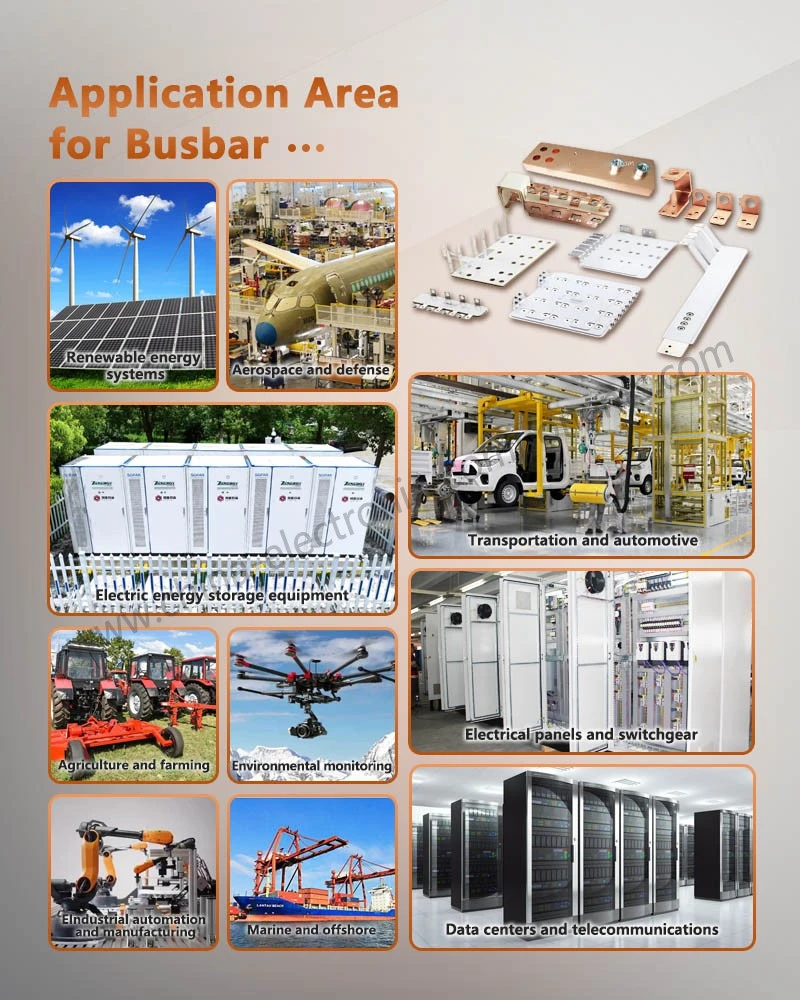
Development Direction of Heat-Shrink Insulated Copper Busbars
With the accelerated development of new energy, electric vehicles, energy storage systems, and smart grids, heat-shrink insulation technology is no longer limited to traditional substation applications.
Currently, flat copper battery busbars with heat-shrink tubes are widely used in power battery systems; copper foil busbar heat-shrink tube insulation is used in flexible connection structures; and copper flat square busbars with PVC heat-shrink are gradually becoming an important component of energy storage devices and power electronic systems.
Meanwhile, different color insulation schemes, such as copper busbars with orange heat-shrink tubes and busbars with black heat-shrink tubes are increasingly used for phase sequence identification and system management, improving equipment installation and maintenance efficiency.
Installation and Application Precautions
During heat-shrink insulation construction, the appropriate product type should be selected according to the conductor structure and site environment. For regular busbars, bushing solutions are suitable, while heat-shrinkable tape or irregularly shaped protective components are more suitable for irregular conductors and complex connection areas.
During heating construction, ensure uniform heat distribution to avoid localized insufficient shrinkage and air gaps. Connection points must be fully heated to ensure a tight fit between the heat-shrinkable layer and the conductor surface, guaranteeing consistent overall insulation performance.
For locations requiring regular maintenance and voltage testing, a reasonable operating area should be reserved to ensure the convenience and safety of subsequent maintenance work.
Conclusion
Heat-shrinkable insulation technology provides an efficient, reliable, and economical solution for substation conductor protection. Upgrading the insulation of conductor structures, such as Copper Busbar with Heat Shrink Tube and Insulated Heat Shrink Copper Connector Busbars, can effectively solve problems such as short circuits caused by small animals, flashover, salt spray corrosion, and electric shock to personnel.
With the development of smart grids, new energy power generation, and energy storage industries, heat-shrinkable insulation materials will play an important role in more power equipment, becoming a crucial technical means to improve system safety, reliability, and service life.
contact us
Send Inquiry