










What Are The Development Trends Of High-voltage DC Contactors For New Energy?
Jun 04, 2026
Leave a message
With the accelerated global energy transition, new energy relays, as core components in wind, solar, and energy storage, and vehicle electronic control systems, are undergoing continuous iteration. Alumina Metallized Ceramics for Bonding, as a key sealing component of high-voltage DC contactors, directly determines the effectiveness of intelligent transformation of relays through its material properties, serving as a crucial underlying component for achieving intelligent monitoring of the entire system.
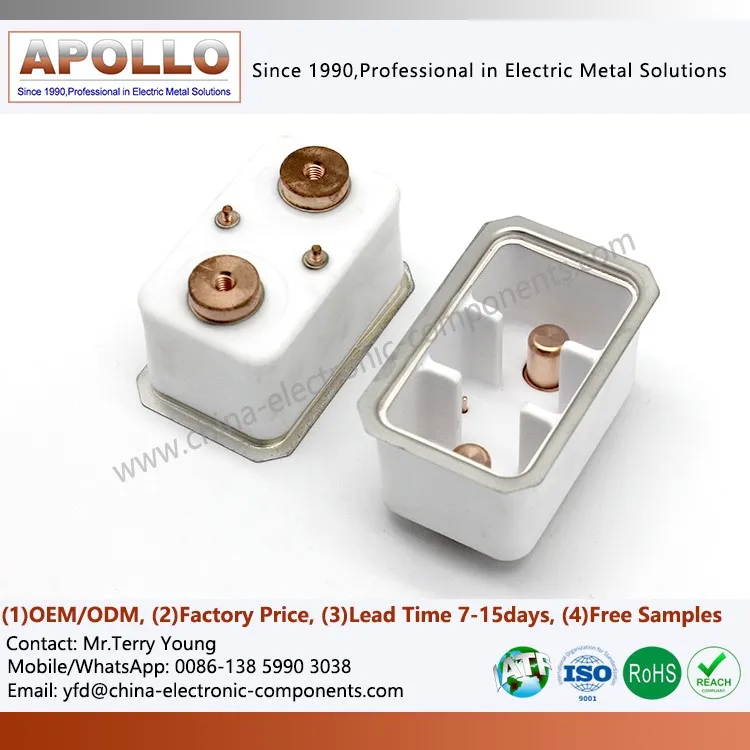
Intelligentization has become the mainstream development direction for relays. Leveraging the Internet of Things and AI algorithms, new products can remotely monitor line conditions and predict potential faults. Metallization of Alumina Ceramics, with its high insulation and airtightness characteristics, ensures stable operation of sensing circuits in high-voltage environments, preventing data distortion caused by insulation breakdown.
Miniaturization has become a rigid R&D goal in the industry. As the internal assembly space of vehicles and energy storage equipment continues to shrink, components are evolving towards thinner and lighter designs. Metallized Ceramics For Electrical, relying on precision sintering and metallization processes, reduces component size while maintaining structural strength, adapting to the internal packaging requirements of compact contactors.
Green upgrades closely align with dual-carbon development goals. New relays strictly control electromagnetic radiation and operating energy consumption, eliminating highly polluting traditional insulation materials. EV HVDC Relay Ceramic Housing is chemically stable and does not release harmful substances, helping the entire device achieve low-noise, low-power green design standards at the component level.
High-voltage platform upgrades continuously raise the bar for component usage. With the widespread adoption of 800V vehicle fast charging, contactors are subjected to long-term high-current impacts. Alumina Metallized Ceramics, resistant to high temperatures and arc erosion, effectively stabilize the cavity sealing structure, significantly extending the overall lifespan of high-voltage DC contactors.
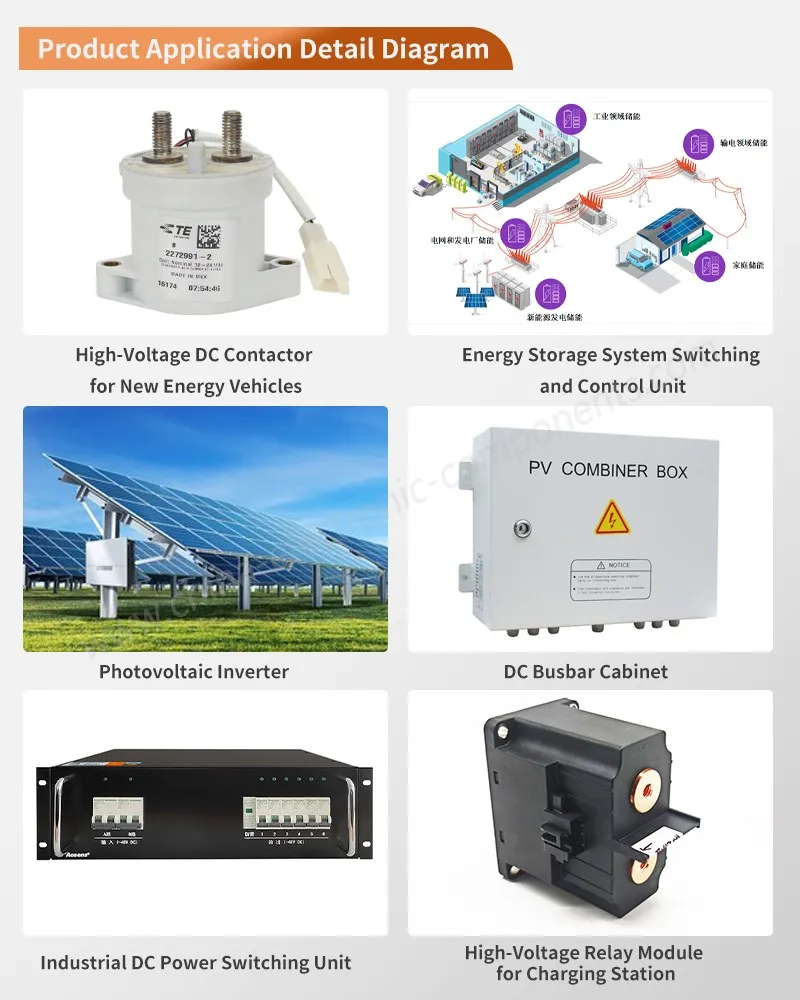
Collaborative development across the industry chain drives the optimization of supporting processes. Upstream and downstream material and OEM companies collaborate to continuously improve ceramic sintering and metallization processes. Metallized Alumina Ceramics for Electrical Components' mass production yield is steadily improving, effectively helping relay manufacturers reduce component procurement and production costs.
Driven by multiple industry development trends, material innovation in high-voltage DC contactors continues to deepen. Metalized Ceramic Insulating Tubes Metalizing Ceramic Part, with its continuously optimized formula and processing technology accompanying the iteration of overall system technology, has become a key precision component supporting the expansion of the new energy relay industry.
Based on mature metallization and high-temperature sintering processes, Alumina Metallized Ceramics for Bonding offers robust sealing, excellent insulation, withstand voltage performance, and precise dimensional tolerances. It is compatible with all types of new energy high-voltage DC contactors and has undergone rigorous airtightness and high/low temperature cycling tests, effectively reducing the probability of leakage and breakdown failures. Contactor and relay manufacturers are welcome to conduct sample testing and discuss bulk purchases.
contact us
Send Inquiry