










Upgrades in Automotive Start Stop System And Battery Technology: Performance Differences And Selection Criteria For AGM And EFB Batteries
Nov 11, 2026
Leave a message
With the advancement of automotive energy-saving technologies and intelligent control systems, the automatic start-stop function has become a common feature in many internal combustion engine vehicles. By shutting off the engine during temporary stops and restarting it when the driver is ready to move, the system reduces idling time, thereby lowering fuel consumption and emissions. At the same time, the increased frequency of engine restarts places higher demands on the vehicle battery-specifically regarding its cycle life, charge acceptance, and instantaneous discharge performance.
The automatic start-stop function does not inherently shorten battery life; rather, the outcome depends on whether the battery technology is well-matched to the vehicle's electrical system and whether the daily operating environment allows for proper charging. Currently, AGM (Absorbent Glass Mat) and EFB (Enhanced Flooded Battery) are the two most common types of lead-acid battery technologies used in vehicles equipped with automatic start-stop systems. They differ in structural design, cycle performance, and operational suitability-factors that directly influence the stability of the vehicle's overall power system.
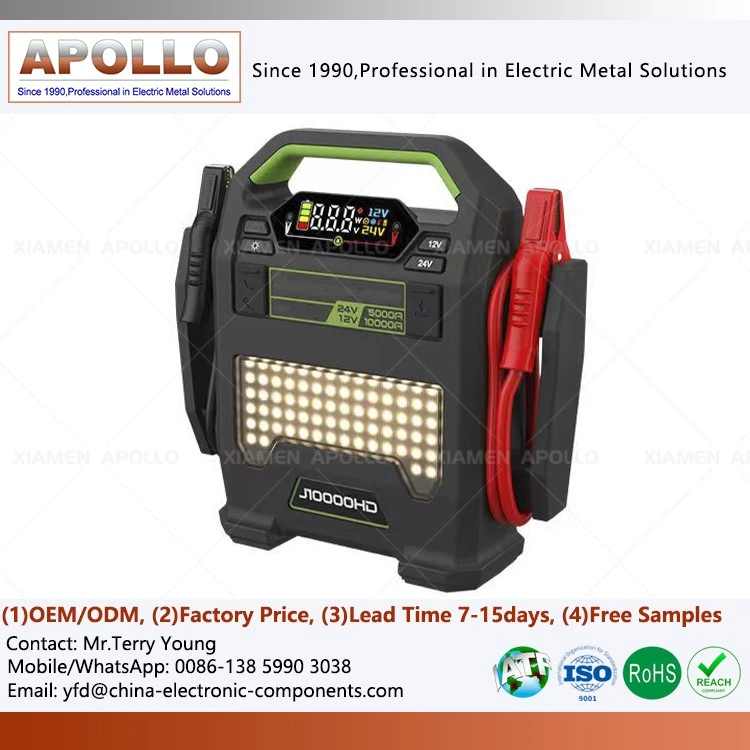
Automatic start-stop systems impose higher requirements on vehicle batteries
Traditional vehicle batteries are primarily tasked with starting the engine and powering lighting and onboard electrical equipment. In conventional vehicles, the engine is started relatively infrequently, and the battery typically receives sufficient recharging while the vehicle is in motion.
Automatic start-stop systems alter this operational pattern. When a vehicle stops at traffic lights, in heavy congestion, or during other brief pauses, the engine may shut down and restart multiple times. The battery must not only provide the high instantaneous current required to restart the engine but also continue to supply power to onboard electronic devices while the engine is off. Consequently, such batteries require superior cycle durability, charge acceptance, and state-of-charge (SoC) management capabilities.
In this environment, standard lead-acid starter batteries often struggle to withstand the strain of frequent start-stop cycles over the long term. AGM batteries utilize an absorbent glass mat separator, which improves electrolyte retention and enhances the battery's adaptability to repeated charge-discharge cycles-making them well-suited for vehicles with automatic start-stop systems that demand high-performance power solutions.
Structural and performance differences between AGM and EFB batteries
Although both AGM and EFB batteries are commonly used in vehicles with automatic start-stop systems, they differ in their internal construction and technical design. AGM (Absorbent Glass Mat) batteries utilize glass fiber separators to absorb and immobilize the electrolyte, maintaining it in a relatively stable state. This structure helps mitigate the risk of electrolyte stratification while enhancing the battery's cycle life and charge acceptance.
AGM technology is particularly advantageous for vehicles equipped with numerous electronic devices, energy recovery systems, or high electrical loads. Its value is primarily demonstrated by its ability to handle frequent engine starts and complex electrical demands.
EFB (Enhanced Flooded Battery) technology is an evolution of the traditional flooded lead-acid battery. Through improvements to plate structure, active material composition, and manufacturing processes, EFB batteries offer superior cycle durability and dynamic charge acceptance. Compared to standard starter batteries, EFB batteries are better suited for frequent engine restarts and can meet the power requirements of many entry-level automatic start-stop systems.
In practical applications, EFB batteries are typically used in passenger vehicles equipped with basic automatic start-stop functionality. Some variants feature optimized plate structures and electrolyte designs to further enhance performance under high-frequency starting conditions.
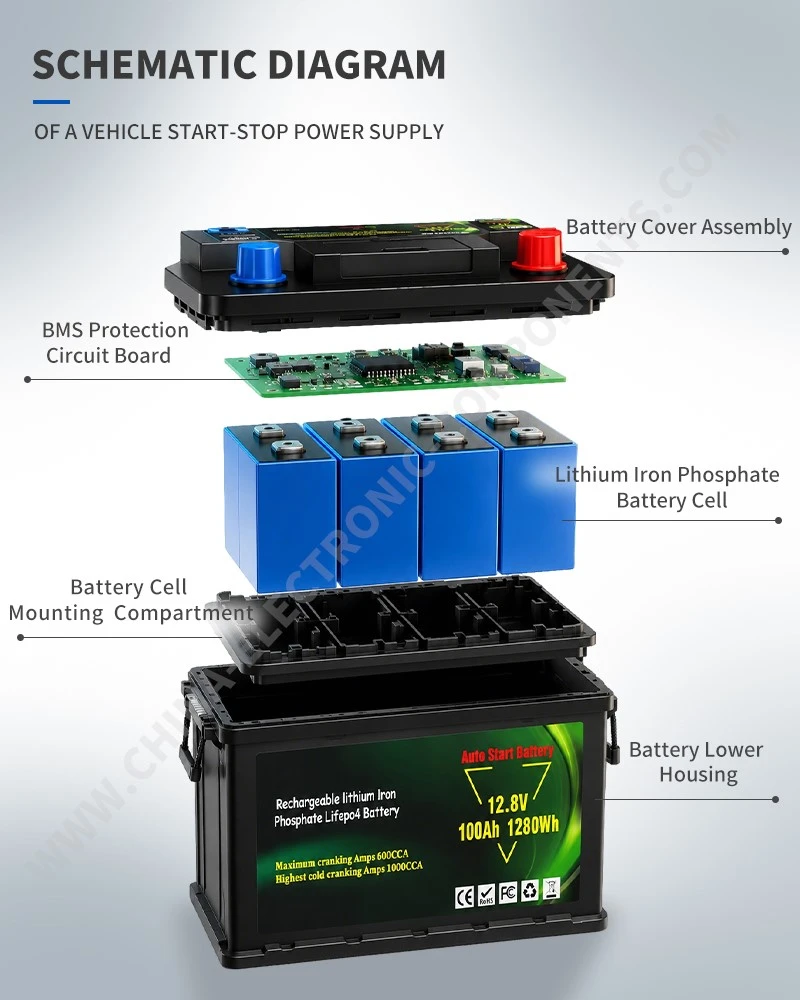
Service Life and Selection Factors for Different Battery Types
The actual service life of an automotive battery is not determined solely by the automatic start-stop function; rather, it is influenced by a variety of factors, including battery construction, the vehicle's charging strategy, ambient temperature, driving distance, and electrical load.
Based on common field experience, AGM batteries typically have a service life of approximately 4 to 7 years when used in compatible vehicles and maintained properly, while EFB batteries generally last about 3 to 5 years. If a standard lead-acid starter battery is used in a vehicle with an automatic start-stop system for which it was not designed, the excessive cyclic load may lead to accelerated capacity degradation and reduced starting performance. These figures serve as general benchmarks; actual service life will vary depending on the specific vehicle model, battery specifications, and operating conditions.
Regarding product selection, EFB batteries are designed for applications that require a balance between reliable starting performance and cycle durability. While specific product designations-such as "Start Stop Plus"-may denote enhanced EFB variants, the actual performance should always be verified against the manufacturer's technical specifications and test reports. When replacing a vehicle's battery, it is essential to verify the original manufacturer's specifications-including battery type, rated capacity, cold-cranking amps (CCA), physical dimensions, terminal configuration, and the requirements of the vehicle's charging management system.
One cannot simply swap batteries based on capacity alone; products with different technical specifications are not necessarily interchangeable. Selecting a battery for a vehicle equipped with a start-stop system requires careful consideration of the vehicle's power management system to ensure compatibility, as mismatched battery types can impair both the start-stop function and charging efficiency.
The Impact of Usage Environment and Charging Management on Battery Life
Beyond the battery's internal technical design, driving habits also play a significant role in determining its lifespan.
Short-distance driving is a common cause of battery degradation. Starting the engine consumes a portion of the battery's charge; if the trip is too short, the alternator may not have sufficient time to replenish the energy used during startup. For vehicles primarily used for short commutes-such as trips lasting only ten to fifteen minutes-the battery may remain in a chronically undercharged state, leading to a loss of capacity and reduced starting power.
Prolonged periods of inactivity also affect battery health. Even when the engine is off, systems such as anti-theft alarms, control modules, and other electronic components continue to draw a "parasitic" (static) current. If a vehicle sits unused for an extended period, the battery will continue to discharge; if it is not recharged in a timely manner, its future starting performance may be compromised.
When a vehicle's system detects that the battery's state of charge (SoC) is too low, it may temporarily disable the automatic start-stop function. This is typically a protective measure implemented by the vehicle's power management system and does not necessarily indicate a malfunction in the start-stop system itself. By monitoring battery voltage, temperature, and state of charge, the vehicle's control system can dynamically adjust its start-stop strategy based on current power conditions.
Consequently, when selecting batteries-such as EFB (Enhanced Flooded Battery) or maintenance-free (MF) types designed for start-stop applications-it is necessary to evaluate them not only against cold-cranking current requirements but also in the context of the vehicle's specific charging control logic and operating environment. Proper battery selection and effective charging management are far more conducive to the long-term, stable operation of the vehicle's power system than simply disabling the automatic start-stop feature.
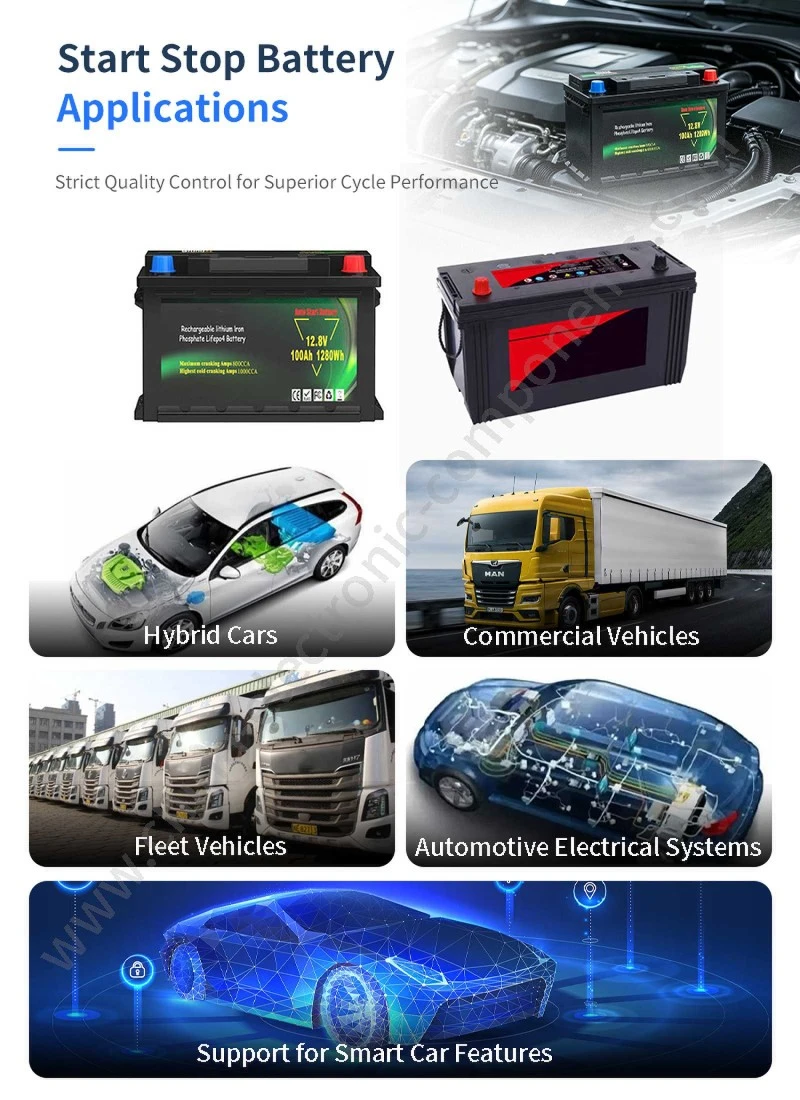
Evolution and Expanding Applications of Automotive Starting Batteries
As the demand for auxiliary power systems in new energy vehicles (NEVs), intelligent cockpits, and an increasing array of onboard electronic devices grows, the technical landscape for automotive starting batteries continues to evolve and expand. Traditional lead-acid batteries remain widely used in the low-voltage power systems of passenger and commercial vehicles, while lithium-ion starter batteries are increasingly being adopted for applications that demand specific performance characteristics-such as lower weight, higher power density, and superior low-temperature operation.
The term "lithium-ion starter battery" generally refers to lithium-ion-based products designed for vehicle ignition. Compared to lead-acid counterparts, lithium-ion batteries offer advantages in terms of weight and energy density; however, their implementation requires an integrated battery management system (BMS) that accounts for charging voltage, thermal protection, overcurrent protection, and overall vehicle electrical compatibility. Consequently, selecting a lithium-ion starter battery cannot be done by simply applying the same replacement logic used for traditional lead-acid batteries.
For different vehicle models and power architectures, battery manufacturers must determine the appropriate product structure and electrochemical system by considering factors such as required starting power, duration of continuous power supply, cycle life, ambient operating temperatures, and available installation space.
Within the EFB (Enhanced Flooded Battery) product category, terms like "EFB Start-Stop Plus" and "EFB Automotive Start-Stop" may denote different specific product lines or market designations. When procuring these, it is essential to verify key specifications, including rated capacity, cold-cranking current (starting current), cycle test parameters, and physical dimensions. For higher-capacity units-such as an EFB 12V 80Ah automotive starter battery-it is also important to evaluate charge acceptance and sustained discharge performance within the context of the specific vehicle's charging system.
Key Considerations for Automotive Battery Procurement and Quality Assessment
For vehicle manufacturers, battery brands, and component procurement teams, evaluating batteries for start-stop systems requires more than just looking at rated capacity and initial starting performance. A comprehensive assessment should also encompass product consistency, cycle durability, and the manufacturer's large-scale production capabilities.
During the technical validation phase, the focus should be on verifying the battery's rated voltage, capacity, cold-cranking current, internal resistance, charge acceptance, and cycle life. For start-stop applications, it is also critical to assess starting performance across various states of charge (SoC), as well as how the battery performs under high-temperature, low-temperature, and frequent charge-discharge conditions.
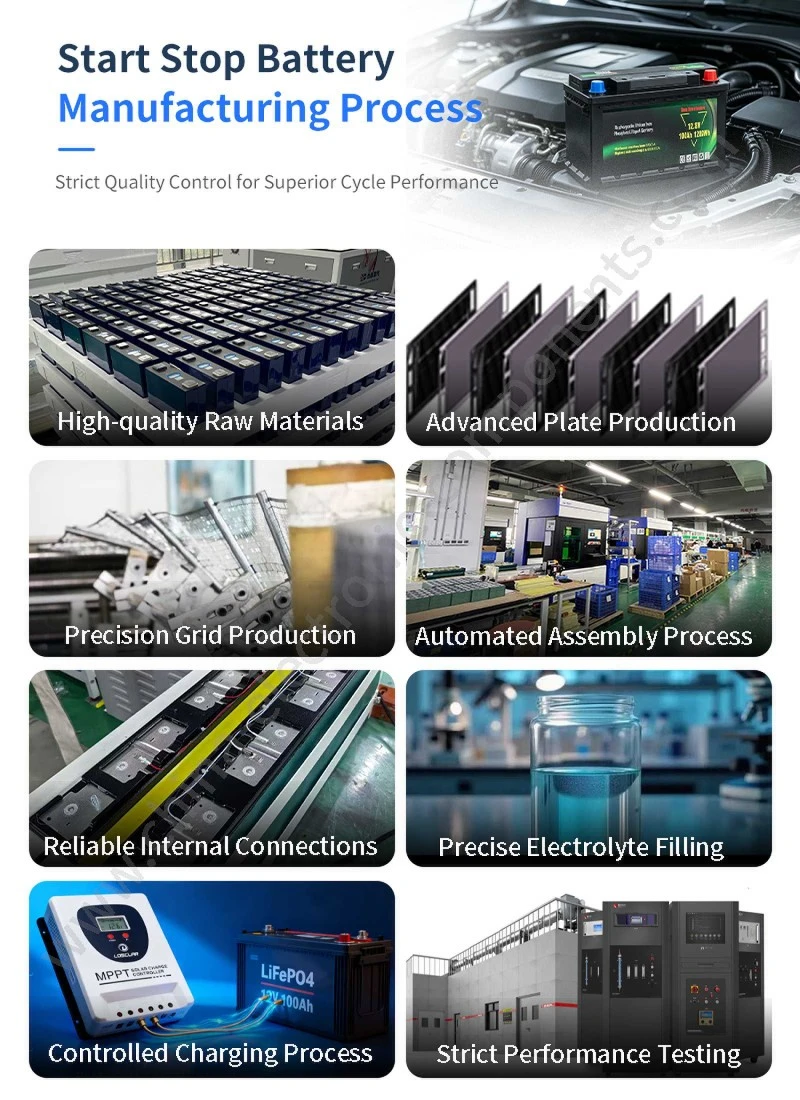
Regarding quality control, processes such as plate manufacturing, application of active materials, separator assembly, plate-group welding, and battery sealing all directly influence the final product's performance. A stable supply of raw materials, rigorous production process control, and thorough pre-shipment testing are essential for minimizing performance variations between different production batches. For automotive power systems, there is no universal ranking of AGM versus EFB batteries that applies to all vehicle models.
The selection process should be guided by the vehicle manufacturer's technical specifications, the original equipment (OE) battery configuration, and the intended operating conditions. When procuring products such as batteries for vehicles with start-stop systems (including EFB types), it is essential to first verify vehicle compatibility requirements before confirming specifications and conducting sample testing.
Frequently Asked Questions: Use and Selection of Start-Stop Batteries
How often should a start-stop battery be replaced?
Typically, AGM batteries have a service life of approximately 4 to 7 years, while EFB batteries last about 3 to 5 years. However, the actual replacement interval depends on factors such as temperature, state of charge, driving distance, and frequency of use. It is recommended to monitor the battery's health periodically rather than relying solely on its age.
Can a standard lead-acid battery be used in a vehicle equipped with a start-stop system?
Generally, this is not recommended. Standard starter batteries often lack the cycle durability and charge acceptance required to meet the operational demands of a start-stop system. When replacing a battery, you should select an AGM or EFB unit that matches the vehicle's original factory configuration.
Does disabling the start-stop function extend battery life?
While disabling the start-stop feature may reduce the number of engine-start cycles, it does not address issues such as frequent short-trip driving, insufficient charging, or natural battery aging. A more effective approach is to ensure the use of an appropriately specified battery and to maintain proper charging and operating conditions.
Building a Robust Low-Voltage Power System-From Battery Specifications to Vehicle Integration
The evolution of start-stop technology has driven automotive batteries toward greater cycle durability, improved charge acceptance, and intelligent power management. AGM and EFB remain the primary technologies for start-stop applications, while lithium-ion starter batteries offer an alternative for requirements focused on weight reduction and high performance. For automotive manufacturers and procurement teams, product development must account for the vehicle's electrical architecture, starting loads, environmental conditions, and long-term reliability-rather than relying solely on battery price or nominal capacity.
If you are developing or sourcing automotive starter batteries and related power system components, please provide the following details: target vehicle model, rated voltage, capacity, cold-cranking amps (CCA), physical dimensions, operating temperature range, and cycle life requirements. By clearly defining operational conditions and technical specifications, it becomes possible to proceed with battery solution evaluation, sample validation, and feasibility analysis for volume supply-thereby establishing a stable and reliable foundation for the vehicle's power system.
contact us
Send Inquiry