










Development Trends in Residential Energy Storage Systems: Solar-plus-Storage Synergy Drives the Upgrade of Home Energy Management Models
Jul 29, 2026
Leave a message
As the global energy mix rapidly shifts toward cleaner and low-carbon alternatives, residential energy management is evolving from a traditional, unidirectional consumption model into an integrated system encompassing power generation, storage, management, and consumption. The combination of photovoltaic (PV) generation and energy storage technologies enables households to increase their utilization of renewable energy, reduce reliance on the conventional grid, and enhance the stability of their energy supply.
In recent years, advancements in distributed PV, battery technology, and smart energy management systems have positioned residential energy storage as a key area for new energy applications. By integrating solar power generation with storage equipment, households can store surplus electricity during the day and discharge it at night or during peak demand periods, thereby optimizing energy efficiency and achieving greater flexibility in energy management.
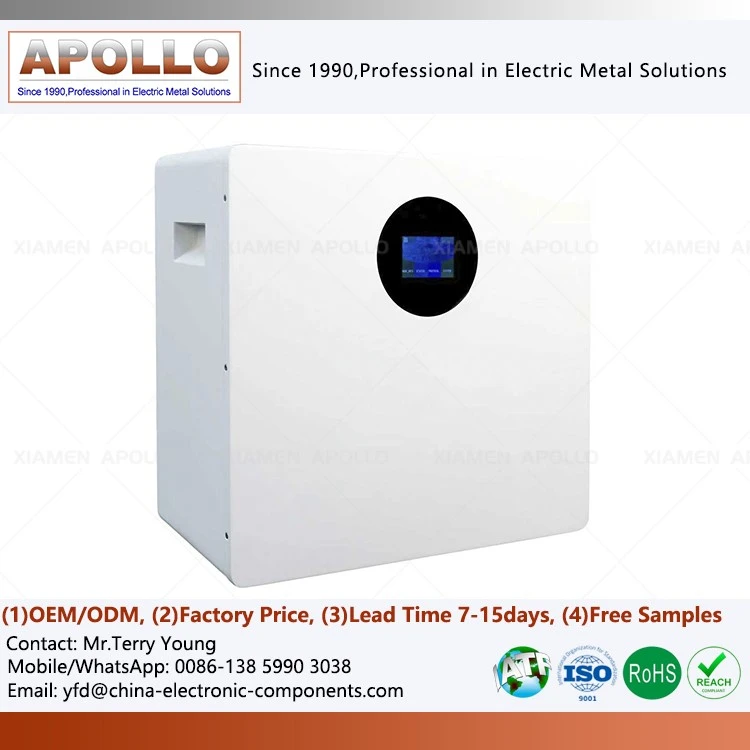
Synergy Between PV and Storage Drives the Evolution of Residential Energy Management
Traditional residential energy systems rely primarily on the public grid, leaving users to passively accept fluctuations in electricity prices and supply conditions. In contrast, the integrated PV-plus-storage model incorporates an energy storage component, granting the system greater autonomous regulation capabilities.
Residential Energy Storage Systems (RESS) have become a vital component of distributed energy applications. These systems typically comprise PV modules, storage batteries, an energy management system, and smart control devices; they dynamically adjust energy flows by monitoring household electricity demand, PV generation output, and grid status in real time.
During the day, when sunlight is abundant, the PV system prioritizes meeting household load demands, with any surplus electricity directed to the storage unit. Conversely, when PV output is insufficient-such as at night or during overcast and rainy weather-the storage system discharges energy to meet household needs. This operational approach not only boosts renewable energy utilization but also reduces the need to purchase electricity from the grid during peak hours.
For households seeking greater energy independence, residential energy storage has evolved from a mere backup power source into a fundamental component of home energy infrastructure.
Advancements in Storage Technology Drive Diverse Residential Energy Applications
The development of residential energy storage systems relies heavily on continuous progress in battery technology. Currently, Lithium Iron Phosphate (LiFePO4) batteries have emerged as a widely adopted technology in this sector, thanks to their high safety, long cycle life, and excellent thermal stability.
Compared to traditional lead-acid batteries, lithium-based storage solutions offer higher energy density and longer service lives, while also supporting more frequent charge-discharge cycles. In a residential setting, LiFePO4 home battery systems meet a variety of needs, including daily lighting, appliance operation, electric vehicle charging, and emergency power supply.
As household energy demands rise, modular design has become a key trend in energy storage products. Stackable home energy storage systems allow for capacity expansion by stacking battery modules; this enables users to flexibly adjust storage capacity based on household load requirements, avoiding the need for a massive upfront investment.
This modular design not only enhances system scalability but also simplifies installation and maintenance, offering flexible energy solutions for households of various sizes.
Smart Management Enhances Energy Storage Efficiency
The future development of home energy storage systems relies not only on hardware upgrades but also on advanced smart energy management capabilities.
Modern energy storage units typically feature smart energy management platforms that provide real-time data on solar generation, remaining battery capacity, household load consumption, and grid interaction status. Users can configure operating strategies to suit their needs-such as prioritizing solar energy usage, charging during off-peak hours, and discharging during peak periods.
Hybrid home energy storage systems integrate solar power, the grid, and storage units to enable coordinated multi-source energy management. Under stable grid conditions, the system optimizes energy costs; during power outages, it rapidly switches to backup power mode, enhancing household energy security.
Furthermore, advancements in smart algorithms allow these systems to forecast future energy needs based on historical consumption data, enabling more precise energy dispatch. In the future, home energy storage units may integrate with virtual power plant (VPP) platforms, allowing aggregated residential storage resources to participate in grid regulation.
Expanding Application Scenarios for Home Energy Storage
As energy storage technology matures, the range of applications for home energy storage continues to expand. Beyond standard residential use, these systems are increasingly deployed in villas, homes in remote areas, outdoor living settings, and scenarios requiring mobile energy solutions.
For areas lacking stable grid access, battery storage systems provide continuous, reliable power, meeting essential energy needs for lighting, communication, and household appliances.
Some users are also adopting home battery storage systems without solar panels as standalone units; these systems charge during off-peak hours and discharge during peak periods to reduce electricity costs. This approach is ideal for households that wish to optimize energy expenses but have limited conditions for solar power generation.
Meanwhile, driven by the rising demand for outdoor activities, emergency power backup, and mobile energy solutions, 220V portable energy storage systems have emerged as a vital complement to residential energy setups, providing convenient power for outdoor equipment, temporary work sites, and emergencies.

Integrated PV and Energy Storage: The Future Direction
Residential energy systems are evolving toward high levels of integration. The traditional configuration-comprising separate photovoltaic (PV) panels, inverters, batteries, and control units-is gradually giving way to integrated energy devices.
By combining solar power generation with energy storage capabilities, home PV energy storage systems simplify and enhance the efficiency of residential energy management. Users benefit from automated switching between solar harvesting, energy storage, and household power supply without the need for complex manual operations.
Furthermore, integrated designs are driving the development of energy storage equipment that is more compact, safer, and easier to install. Stacked integrated home energy storage batteries utilize a modular, stackable structure, allowing capacity to be scaled according to household needs while maintaining a compact overall system footprint.
For both new residential construction and energy retrofit projects, lithium-ion solar energy storage batteries are increasingly becoming a key technological solution for improving building energy efficiency.
Safety and Reliability: Key Areas of Industry Competition
As the residential energy storage market expands rapidly, system safety has become a primary concern for consumers. Energy storage devices must not only deliver efficient energy conversion but also ensure long-term operational stability.
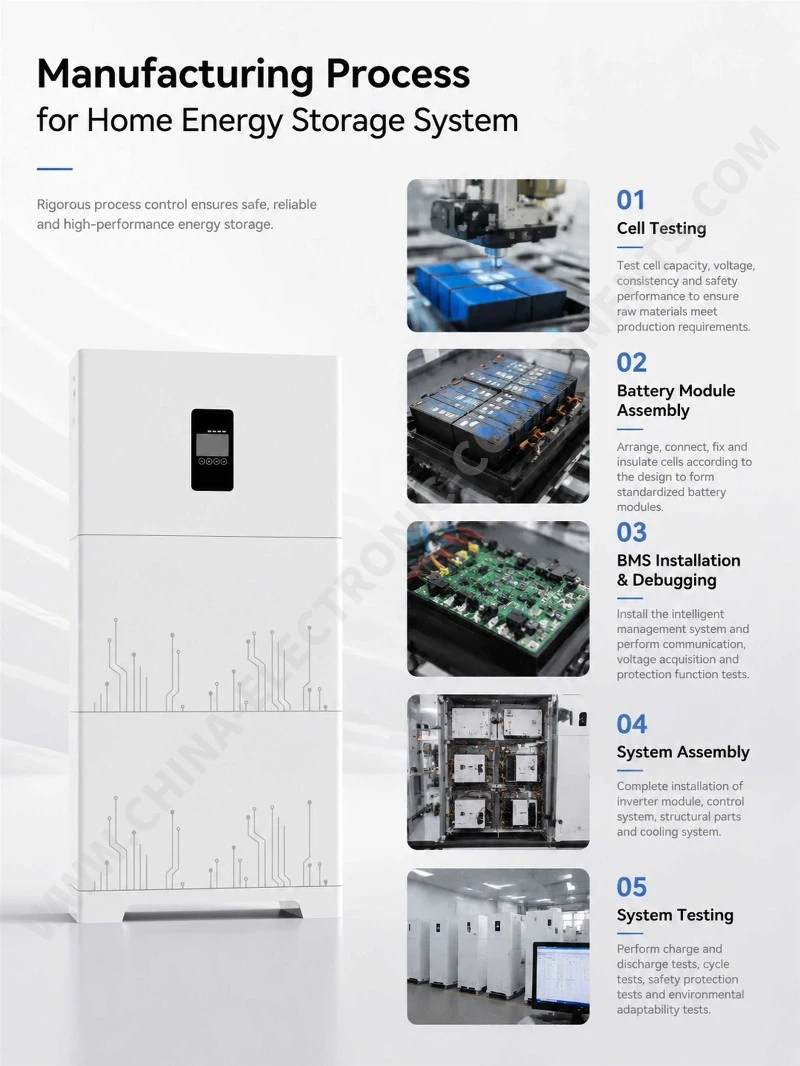
Currently, the industry is enhancing operational safety through technologies such as Battery Management Systems (BMS), temperature monitoring, overcharge and over-discharge protection, and intelligent fault diagnosis.
LiFePO4 batteries for home energy storage are garnering significant attention due to their superior thermal stability. Optimizing battery structural design and intelligent management strategies can further mitigate operational risks and maximize the system's lifecycle value.
Looking ahead, continuous advancements in materials science, battery manufacturing processes, and intelligent control technologies will drive further improvements in the safety, cost-effectiveness, and intelligence of residential energy storage systems.

The Era of Residential Energy Independence Is Dawning
The role of the household in the energy landscape is shifting from that of a traditional consumer to an active participant in distributed energy systems.
The integration of PV and energy storage technologies empowers households with greater flexibility in energy management while propelling the broader energy system toward a more decentralized and intelligent future. Convenient energy storage solutions, such as plug-and-play home energy storage systems, are lowering the barrier for residential users to adopt new energy, thereby enabling more ordinary households to participate in the energy transition.
Looking ahead, driven by falling battery costs, the maturation of smart grid infrastructure, and ongoing supportive policies, home energy storage will evolve beyond a mere backup power source. It will become a vital component of infrastructure for household energy management, cost optimization, and low-carbon living.
Amid the broader trend of energy transition, technologies such as lithium-ion home energy storage systems will further drive the evolution of residential energy systems toward greater efficiency, safety, intelligence, and sustainability, providing crucial support for the global upgrading of energy structures.
contact us

Send Inquiry