










A Comprehensive Guide to Silver Brazing: Principles, Process, Applications, and Selection
Jun 16, 2026
Leave a message
What is silver soldering?
Silver soldering is a joining process that utilizes a non-ferrous filler metal-typically an alloy containing silver, copper, zinc, and/or cadmium-to bond two or more closely fitted parts. The alloy is heated to its melting temperature (usually above 800°F / 427°C), allowing it to flow into the joint via capillary action. At the liquidus temperature, the molten filler metal interacts with a thin layer of the base metal; upon cooling, the intermingling of grain structures creates an exceptionally strong, sealed joint. The resulting joint features a "sandwich" structure in which layers of different materials are metallurgically bonded together.
Silver solder is supplied in various solid forms, including rings, wire, strips, washers, powder, and paste. Heating can be achieved using a range of heat sources, such as torches, induction, resistance, infrared, ovens, or furnaces. Flux is an essential auxiliary material in silver soldering, used to remove existing oxides from the base metal surfaces and prevent them from reforming.
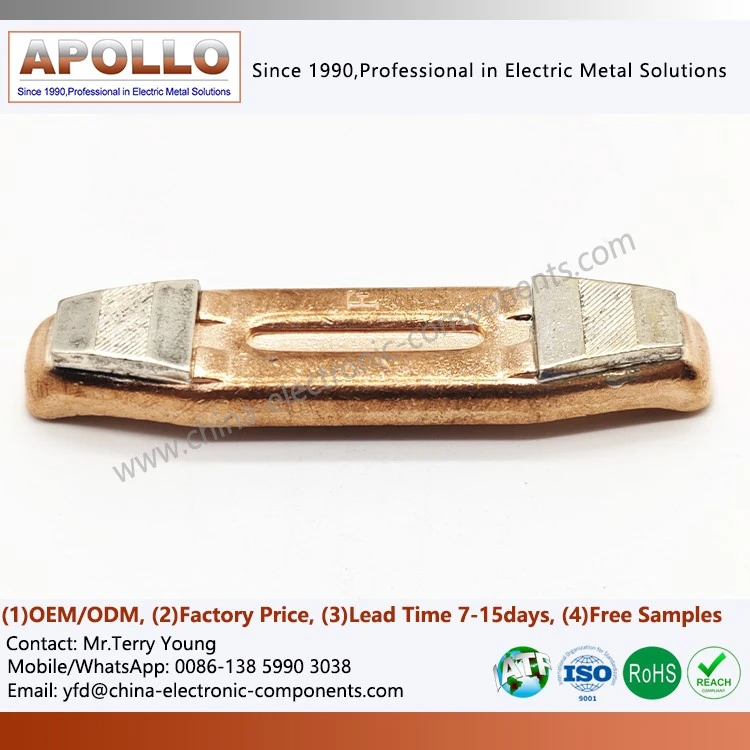
Silver Brazing and Temperature Characteristics
Silver brazing is classified as a low-temperature brazing process. The filler rods used have melting points ranging from 1145°F to 1650°F (618°C to 899°C)-temperatures significantly lower than those required for copper-alloy brazing fillers. Because the operating temperature is lower, the base metal generally does not reach the critical transformation temperatures that could induce brittleness; this gives silver brazing a distinct advantage in precision manufacturing.
Silver Brazing Process
Silver brazing follows the same fundamental steps as other brazing methods: ensuring proper capillary action, cleaning base metal surfaces, applying flux, heating uniformly, and post-braze cleaning.
Particular attention must be paid to uniformity during heating. Thicker sections of metal require more heat; if there is a significant difference in thermal conductivity between the two metals, more heat should be applied to the side with higher conductivity. Since the filler metal flows toward hotter areas, uneven heating can result in an uneven distribution of solder, compromising joint quality.
Brazing silver to copper is one of the most common applications. Copper has a much higher thermal conductivity than steel or stainless steel; consequently, extra heat must be applied to the copper side during the process. Otherwise, the silver filler metal will flow entirely toward the copper component, leaving the steel side unbonded.
Safety Precautions
Heating and melting silver brazing alloys produces cadmium oxide fumes, which are highly toxic. Operators must wear personal protective equipment (PPE) and ensure adequate ventilation. Extra care must be taken when grinding surfaces containing cadmium to prevent the spread of dust.
Joint surfaces must be free of oxides, scale, grease, dirt, and other foreign matter. Surfaces (other than cadmium-plated ones) can be cleaned mechanically using a wire brush or abrasive cloth, or chemically via methods such as acid pickling. Cleanliness directly determines brazing quality; any residue can impede capillary action, leading to weak bonds or incomplete joints.
Key Advantages of Silver Brazing
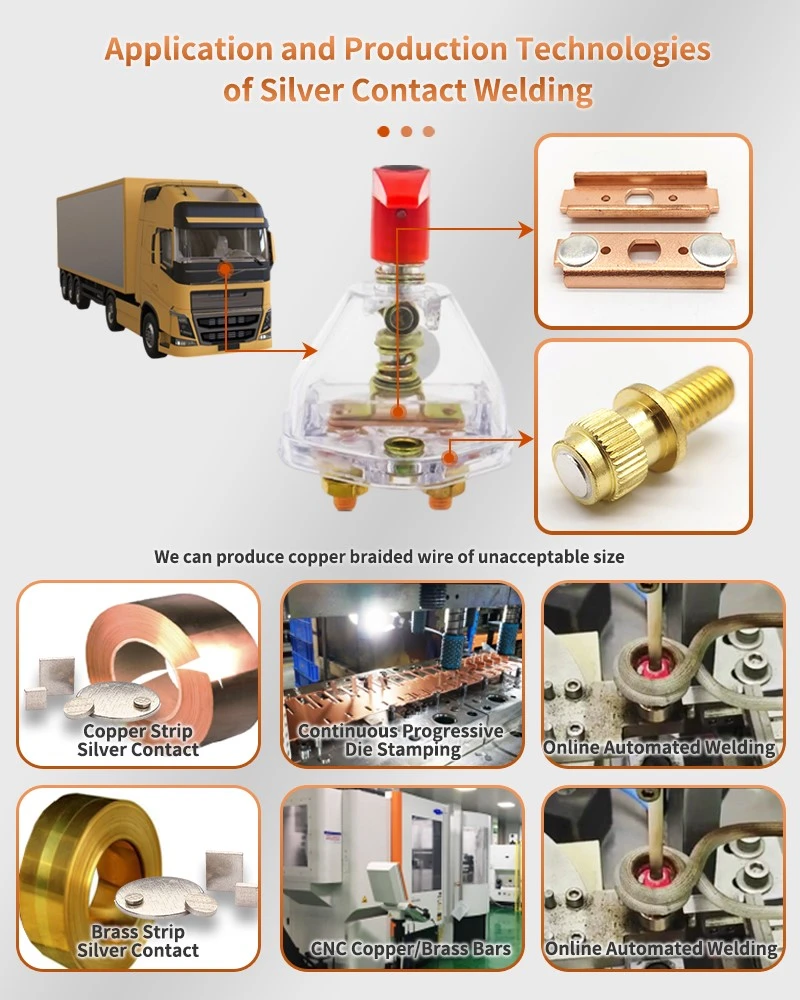
Silver-brazed joints are strong, airtight, and leak-proof, while meeting rigorous specifications for mechanical properties, electrical conductivity, pressure tightness, corrosion resistance, and operating temperature. Silver-brazed electrical contacts are widely used in the electrical industry due to their excellent conductivity and stable contact resistance in high-frequency environments.
Silver contact brazing can be performed using automated machinery, enabling cost-effective metal joining with high productivity. This makes it the preferred choice for high-volume metal joining operations. Cadmium-free silver brazing alloys are available in paste form, further simplifying the material feeding process on automated production lines.
Typical Applications
In the tool manufacturing sector, silver brazing is commonly used to join carbide inserts to tool shanks. Because silver brazing temperatures are lower than those required for copper-alloy filler metals, the inserts do not lose their hardness due to overheating-an advantage that arc welding cannot offer.
Attaching silver contacts to copper busbars is a common practice in power equipment. Welding copper busbars to silver contacts can cause the copper to anneal and soften due to high heat; in contrast, silver brazing creates a secure bond at lower temperatures, preserving the copper's mechanical strength.
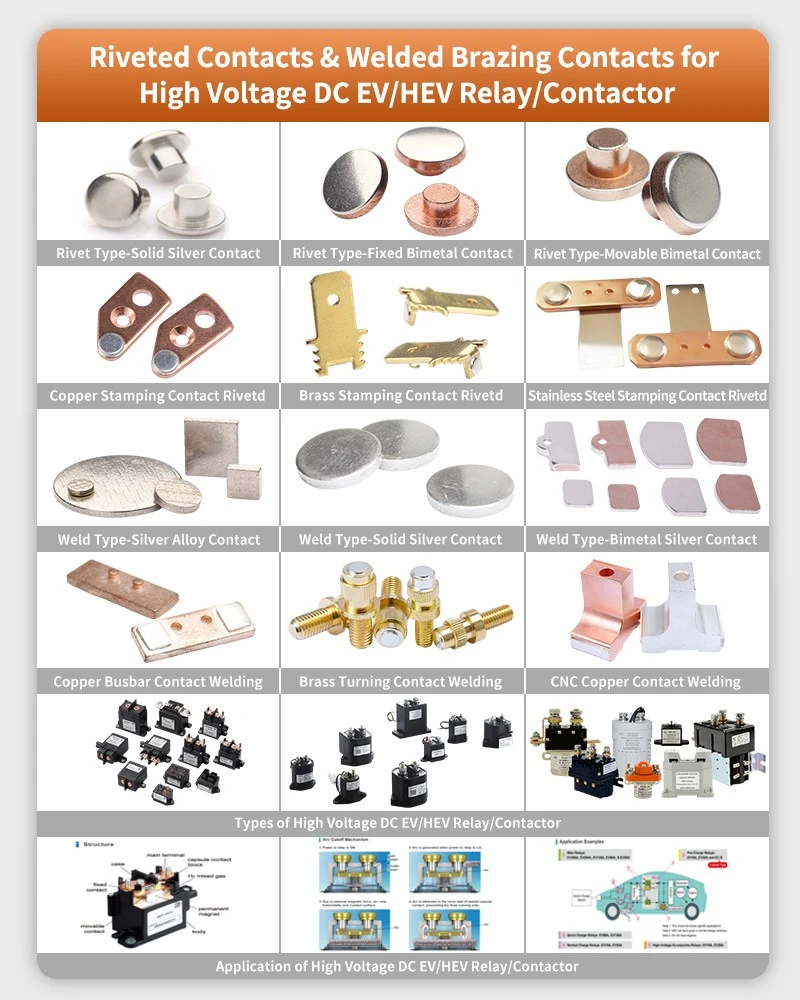
Silver contact assemblies are extensively used in components such as relays and circuit breakers. The wear resistance and conductivity of silver make it an ideal material for electrical switches, and silver brazing provides the most reliable method for securing these contacts to their base components.
Selection Recommendations
When selecting a silver brazing process, it is essential to consider factors such as the base material combination, operating temperature, electrical conductivity requirements, and production volume. For joining copper to silver, the process choice should prioritize fluidity and wettability. For electrical contact applications-such as silver brazing contacts for switch connections-particular attention must be paid to the solder's electrical conductivity and contact resistance. Driven by stricter environmental regulations, cadmium-free silver brazing alloys are increasingly replacing traditional cadmium-bearing products, offering a way to reduce health risks while maintaining performance.
If you are looking for professional contact joining and brazing services, please contact us; we can provide customized solutions tailored to your specific material and process requirements.
contact us

Send Inquiry