










Examining Breakthroughs in New Energy Vehicles Through The Lens Of Rechargeable Battery Development
May 13, 2026
Leave a message
In recent years, the new energy vehicle industry has experienced rapid growth, accompanied by continuous advancements in power battery technology; notable progress has been achieved in terms of driving range, fast-charging capabilities, and low-temperature performance. In particular, optimizations in structural integration, high-voltage platforms, and material systems have enabled electric vehicles to gradually evolve from mere "short-distance commuters" into viable "long-distance travel solutions." Nevertheless, in real-world driving scenarios, pure electric vehicles still face challenges regarding range degradation, performance loss in low-temperature environments, and charging efficiency-issues that have become key focal points for the industry's ongoing R&D efforts. As one of the core components of new energy vehicles, the enhanced performance of individual power battery cells is now directly determining both the overall competitiveness of the vehicle and its market acceptance.
Currently, the industry's primary strategy for extending driving range remains centered on increasing energy density. Traditional power batteries have achieved continuous improvements in system-level energy density through the optimization of material formulations, adjustments to cathode and anode structures, and refinements in battery cell packaging methods. Concurrently, integrated structural technologies are gaining widespread adoption; by eliminating traditional battery modules and directly integrating individual cells into the vehicle chassis or battery pack assembly, these technologies significantly enhance space utilization efficiency. This technological approach not only reduces the proportion of structural components but also effectively boosts the vehicle's overall driving range. As these technologies continue to mature, LiFePO4 Battery Cell are becoming capable of storing greater amounts of energy within the same physical volume, thereby propelling the driving range of new energy vehicles toward the 800-kilometer-and even 1,000-kilometer-class.
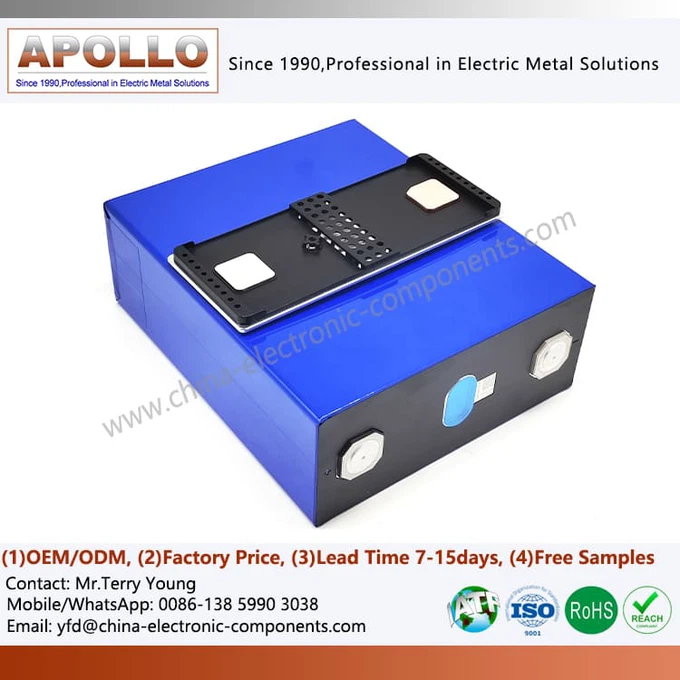
Beyond improvements in energy density, the Lithium Iron Phosphate (LiFePO4) battery system has entered a new phase of development in recent years. Historically, while LiFePO4 batteries were renowned for their high safety and long lifespan, their application in high-end, long-range vehicle models was limited due to their relatively low energy density. However, a new generation of material systems-achieved through the optimization of electrode compaction density and structural design-has significantly enhanced driving range performance while maintaining inherent safety standards. Today, an increasing number of vehicle models are adopting high-performance LiFePO4 power cells; this trend not only mitigates the risk of thermal runaway but also fosters a growing equilibrium between extended driving range and high safety levels.
Beyond the realm of new energy vehicles, the expansion of the energy storage market has also served as a catalyst for advancements in battery technology. As the global new energy industry undergoes rapid expansion, an increasing number of solar energy storage applications are adopting high-performance lithium battery solutions. Compared to traditional energy storage systems, this new generation of Lithium Battery for Energy Storage designed for solar applications demonstrates superior performance in terms of cycle life, charge-discharge efficiency, and system stability, thereby further facilitating the technological convergence between automotive power batteries and stationary energy storage batteries.
In the field of fast charging, the industry has likewise achieved significant breakthroughs in recent years. Historically, automotive power batteries typically required over 30 minutes to replenish a substantial portion of their charge; today, however, high-rate fast-charging technology has compressed this timeframe to approximately 10 minutes. The key to this progress lies in the enhanced rate performance of individual battery cells and the implementation of high-voltage platform technologies. By elevating the system voltage, higher charging power can be achieved using lower current levels, thereby mitigating heat generation issues and reducing the electrical load on wiring harnesses. Concurrently, the deployment of high-rate lithium battery packs is bringing new energy vehicles ever closer to the ultimate goal: charging as fast as refueling.
The widespread adoption of 800V high-voltage platforms fundamentally represents a comprehensive upgrade in both charging efficiency and thermal management capabilities. Traditional low-voltage platforms require higher current levels to support high-power charging; however, such high currents generate significant heat-a phenomenon that can potentially induce the growth of lithium dendrites, thereby compromising both battery lifespan and safety. In contrast, high-voltage platforms enable the delivery of higher charging power using lower current levels, thereby striking an optimal balance between charging efficiency and system safety. This technological trajectory not only enhances the overall charging experience for electric vehicles but also drives the evolution of large-scale energy storage systems-such as lithium battery packs for solar energy storage-toward greater efficiency.
From the perspective of overall industry development, three core pillars of progress have emerged for power batteries in new energy vehicles: structural integration technologies (such as CTP and CTB), high-voltage fast-charging platforms, and advancements in battery material systems. The common objective of these technologies is to further enhance system-level energy density, reduce structural redundancy, and optimize vehicle interior space utilization. Concurrently, modular design and intelligent thermal management systems are being widely adopted, enabling the new generation of lithium-ion battery packs to achieve a superior balance among safety, driving range, and recharging efficiency.
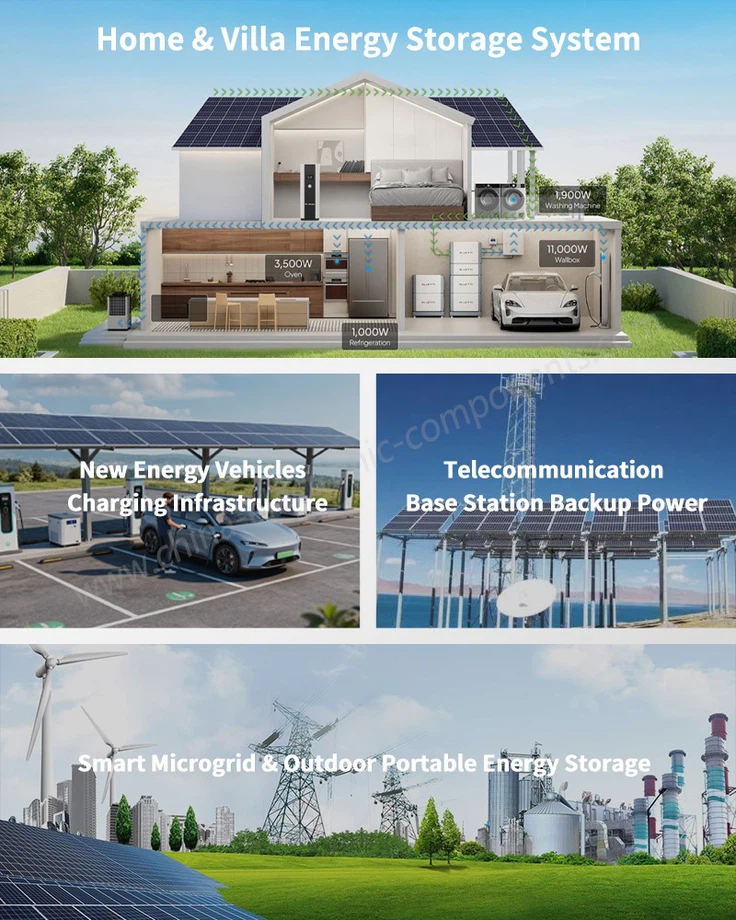
As the new energy industry continues to expand, the boundaries between lithium-ion batteries for solar systems and broader energy storage systems are gradually blurring. Whether for new energy vehicles, residential energy storage, or photovoltaic systems, the demands placed on batteries are becoming increasingly rigorous. In the future, high safety standards, high energy density, and high-rate fast charging capabilities will become the core focal points of industry competition. Particularly within the new energy storage market, the synergistic development between Rechargeable Lithium Ion Battery Cell for solar energy systems and related technologies will further accelerate the global transition toward green energy.
If you are looking for lithium-ion batteries for solar systems, we invite you to contact us. We are ready to provide you with professional product support and technical services to help ensure the efficient implementation of your new energy projects.
contact us
Send Inquiry