





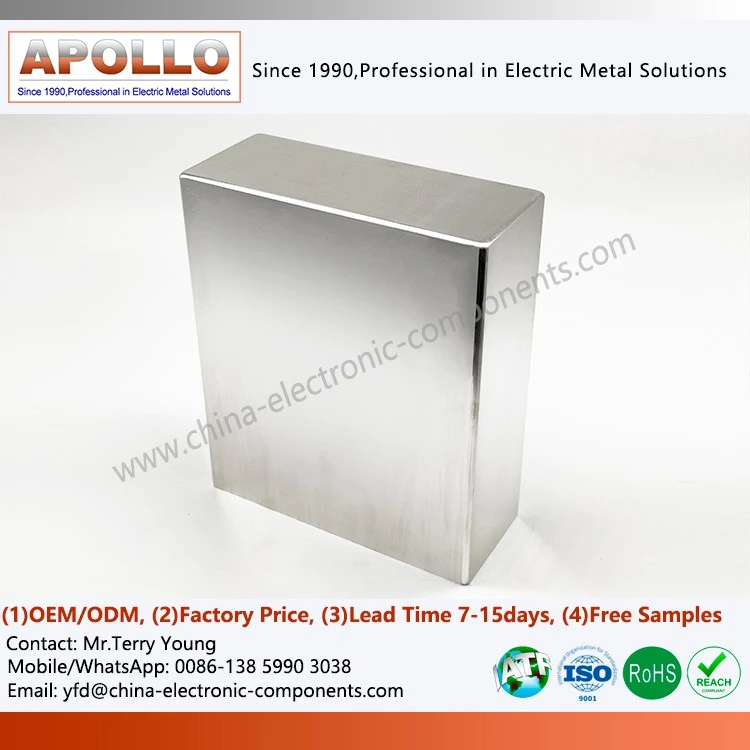


New Energy Vehicle Aluminum Battery Case
Products Description
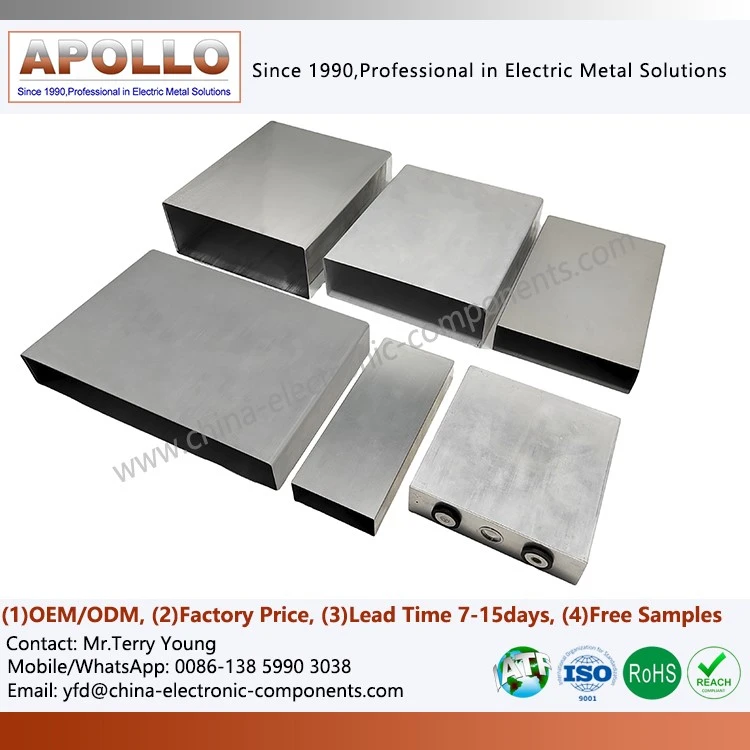
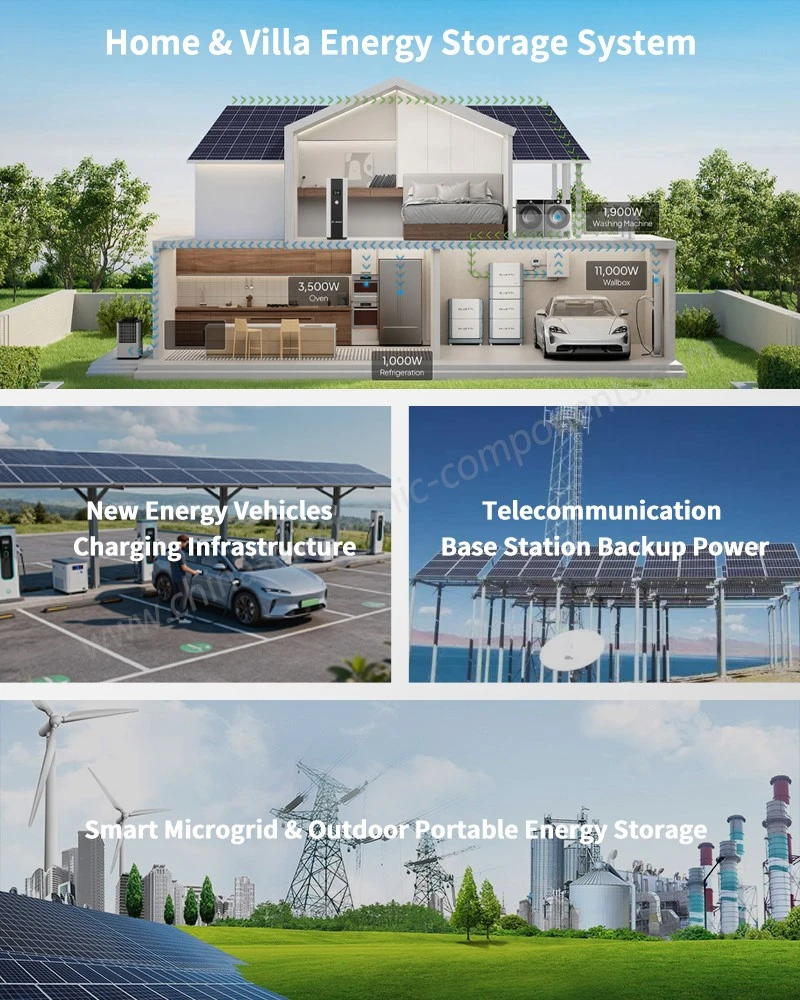
The New Energy Vehicle Aluminum Battery Case is designed for the following applications:
New Energy Vehicle Power Battery Systems
Energy Storage Battery Modules and PACK Systems
Battery Systems for Construction Machinery, Electric Forklifts, and Electric Ships
High-Consistency Customized Battery Structure Projects
The core value of this product lies not in a single parameter, but in:
Structural stability and long-term service reliability
Comprehensive protection for cells and systems
A comprehensive balance between lightweight design, thermal management, and assembly efficiency
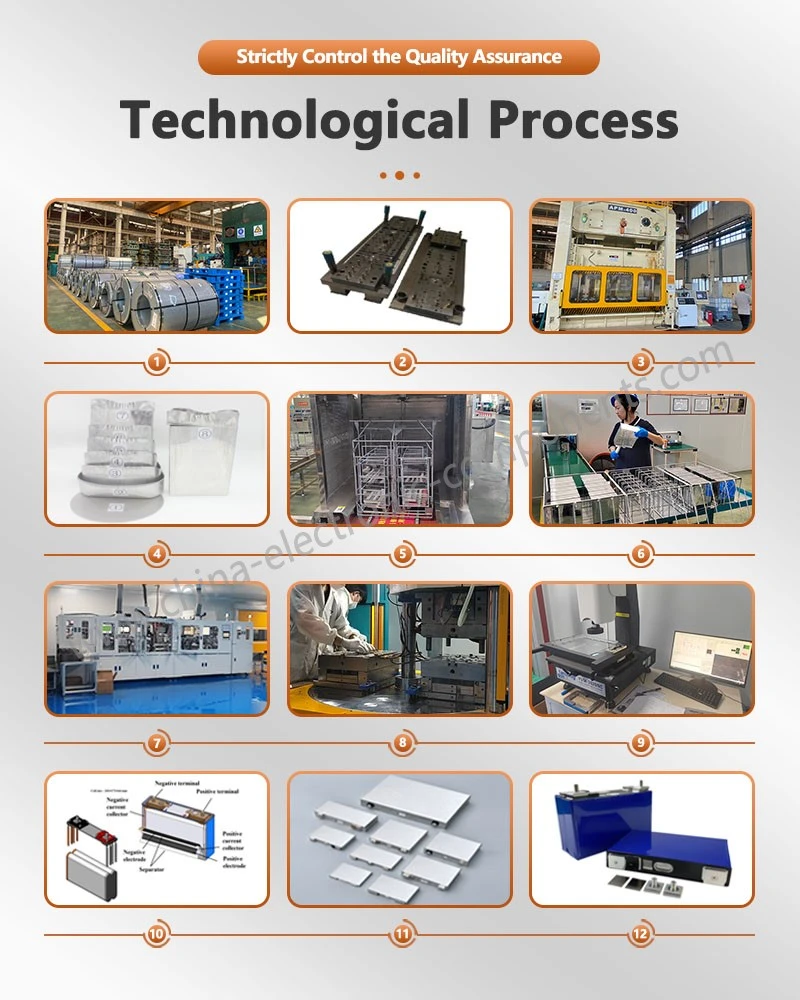
Core Production Processes
Material Pretreatment
70% recycled aluminum is used for molten aluminum mixing. Precise proportioning and control of alloy composition remove impurities and gases, improving the purity of the molten aluminum while balancing environmental requirements and material performance. Subsequent cleaning and drying ensure the material surface is free of oil and oxide layers, laying the foundation for forming and welding processes.
01
Forming Process
Various processes are employed depending on the Aluminum shell for lithium iron phosphate prismatic cells structure, including stretch forming, extrusion forming, and integrated die casting. Grades such as 3003-H14 can be stretched in one step, eliminating the need for bottom welding. Large outer shells utilize a segmented forming followed by an integrated welding process, with forming accuracy controlled within ±0.3mm.
02
Welding Process
The core technologies employed are friction stir welding and cold metal transfer (CMT) welding. Friction stir welding uses different needle lengths and precise parameter settings to avoid welding deformation, eliminating the need for subsequent adjustments. CMT welding significantly reduces heat input and welding stress, ensuring weld strength and sealing, and avoiding molten droplet spatter and weld defects common in traditional welding.
03
Surface Treatment
After cleaning, pickling, and passivation, surface treatments such as anodizing and PVC spraying are available. Anodizing forms a dense oxide film, improving corrosion resistance and insulation; PVC spraying effectively resists impacts from gravel and mud, extending the lifespan of the lithium power cell aluminum shell.
04
Testing Process
The entire process is equipped with automated testing equipment, including non-destructive testing of welding quality, airtightness testing, and dimensional accuracy testing. A coordinate measuring machine is used to regularly calibrate the gauges to ensure that products meet drawing requirements, with an airtightness pass rate consistently above 95%.
05
Main Functions
Physical Protection: Resists impact and compression from external objects, protecting the battery cells from mechanical damage.
Environmental Isolation: Prevents dust, moisture, and salt spray from entering the battery pack, ensuring long-term stable operation of the electrical system.
Heat Conduction and Dissipation: As part of the thermal management system, assists in temperature equalization and heat dissipation.
High-Voltage Insulation: Prevents high-voltage short circuits through surface treatment and insulating gasket design.
Structural Support: As part of the vehicle chassis structure, prismatic LFP cells and the aluminum shell participate in bearing the rigidity of the vehicle body.
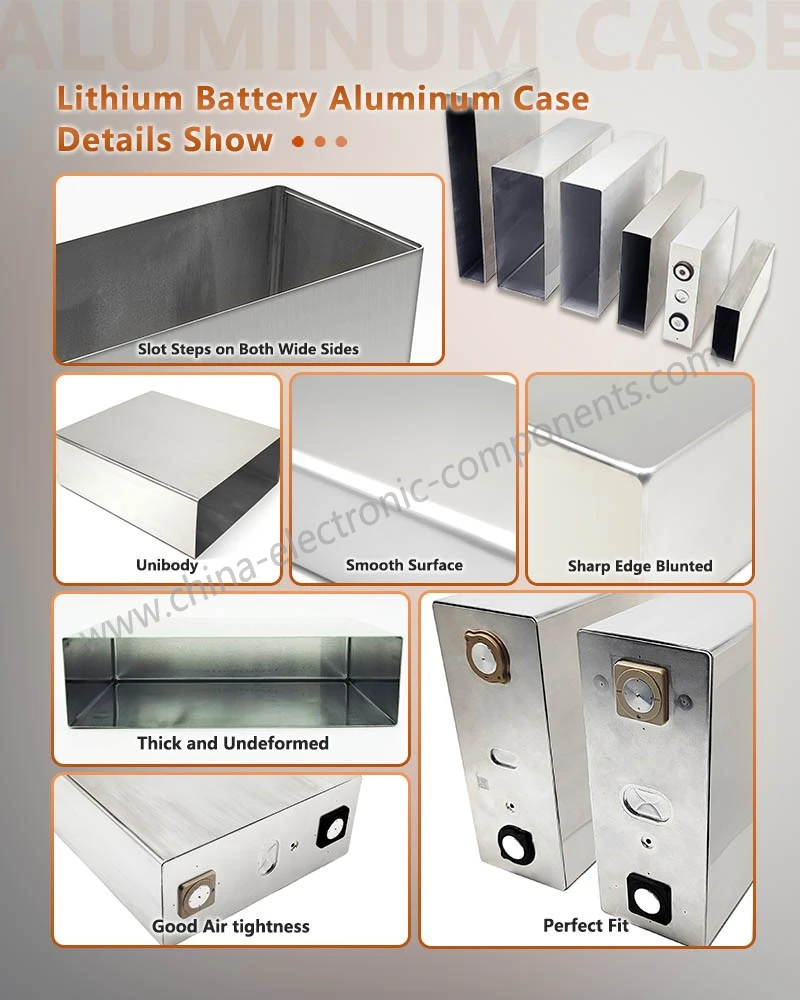
Detailed Showcase: Quality Revealed in the Details
Edge Treatment
All outer cell lithium battery Aluminum shell edges are deburred and rounded (R-corners), eliminating sharp edges and protecting installers' hands from scratches on the internal insulation layer.
Threaded Inserts
For bolt holes on aluminum alloy surfaces requiring frequent disassembly and reassembly, we pre-embed steel wire inserts. This effectively overcomes the low strength and easy stripping of aluminum alloy threads, ensuring reliable connections even after multiple repairs and disassemblies.
Laser Marking Traceability
Each finished lithium prismatic battery Aluminum shell is engraved with a unique DPM code (Direct Part Identifier), containing information such as production batch, material furnace number, and production date, enabling full lifecycle quality traceability.
Cleanliness Packaging
Before leaving the factory, li on cell Aluminum shell undergo ultrasonic cleaning and vacuum blowing, and are vacuum-packed in anti-static bags to ensure that the products delivered to customers meet cleanroom-level cleanliness standards.
contact us

Hot Tags: new energy vehicle aluminum battery case, China new energy vehicle aluminum battery case manufacturers, suppliers, factory, Silver Contact
You Might Also Like


Send Inquiry