




Electron Beam Welding Shunt Resistor
What is the Electron Beam Welding Shunt Resistor?

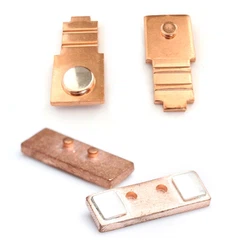
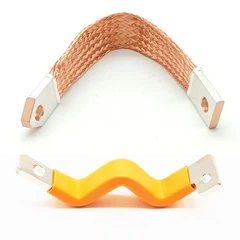
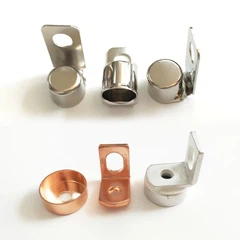
This high-precision Electron Beam Welding Shunt Resistor is specifically designed for high-precision current sensing applications in smart meter latching relays, electric vehicle battery management systems, and industrial variable-frequency drives. Serving as a critical current-to-voltage conversion component, it is manufactured from composite strip material formed by fusing highly conductive electrolytic copper with a low-resistance Manganin alloy substrate. Moving away from traditional silver or tin brazing/soldering processes, the product utilizes high-density electron-beam welding, resulting in high shear strength at the weld joints and minimal interfacial contact resistance. As the original manufacturer, Xiamen Apollo Electric offers large-scale customization solutions and implements rigorous metallographic inspection protocols.
Material Selection & Metallurgical Properties Of E-beam Welding Shunt
Manganin Alloy Core Selection
The resistance element utilizes precision‑grade manganin alloy featuring a tightly controlled chemical composition of copper, manganese, and nickel.
Electrolytic Copper Terminals
Terminals are stamped from high‑purity C11000 electrolytic copper strip stock. This ensures optimal electrical conductivity exceeding 100% IACS, reducing baseline Joule heating losses at the terminal joints during continuous operation.
Solid‑State Alloy Integration
Raw materials undergo strict incoming inspection using spectral analysis. The alloy selection directly mitigates resistance drift caused by ambient temperature fluctuations in enclosed metering enclosures.
Interfacial Compatibility
The pairing of manganin and copper minimizes thermoelectric potentials at dissimilar metal junctions, preventing phantom DC offsets in low‑voltage measurement circuits.

Manufacturing Process & EBW Technology of Electron Beam Welding Manganin Shunt
Electron Beam Welding Execution
Production relies on high‑vacuum electron beam welding equipment. The concentrated kinetic energy beam melts a micro‑narrow fusion zone, uniting the copper and manganin strip without filler metals.
Progressive Die Stamping
Following the continuous welding process, the bimetal strip feeds into precision progressive stamping presses to form complex terminal geometries and mounting holes in a single pass.
Weld Zone Integrity Control
High‑speed optical inspection monitors the weld line width and straightness. This prevents micro‑cracks and ensures uniform current distribution across the bimetal boundary.
Stress Relief Annealing
Stamped components undergo controlled thermal stress relief annealing to eliminate residual mechanical stresses introduced during the high‑speed punching phase.

Frequently Asked Questions about Manganese Copper Resistance Shunt
How does electron beam welding improve manganin shunt performance compared to silver brazing?
+
-
Electron beam welding creates a pure metallurgical fusion zone without filler metals, resulting in lower joint electrical resistance, zero void defects, and higher shear strength under thermal cycling.
What is the standard rated voltage drop for this Maganin Shunt for Electronics Meter?
+
-
The standard rated voltage drop is 75mV, though our engineering team fully customizes resistance values and voltage outputs from 20mV up to 300mV based on your circuit design requirements.
Can this shunt resistor maintain stability in high‑temperature EV battery management systems?
+
-
Yes, utilizing low TCR manganin alloy paired with high‑purity copper terminals ensures stable resistance values across an operating temperature range from ‑40°C to +125°C.
What is the typical lead time for custom EBW Manganese Copper Shunt?
+
-
Standard tooling samples take 10 to 15 days, while mass production bulk orders are typically fulfilled within 10 to 15 days depending on the order volume and plating specifications.
How is the resistance value calibrated during the manufacturing process?
+
-
Resistance values are calibrated using high‑precision digital testing equipment combined with automated laser trimming slots cut directly into the manganin strip body.

contact us
Send the Electron Beam Welding Shunt Resistor drawing, resistance target, rated current, voltage-drop requirement, terminal geometry, and annual quantity now for an engineering review, electron beam welding process assessment, and factory quotation.

Hot Tags: Manganin Shunt Resistor, Copper Manganin Shunt, Electron Beam Welded Shunt, Precision Current Shunt, Energy Meter Shunt, EV Battery Current Shunt, Magnetic Latching Relay Shunt, Custom Shunt Resistor, Shunt Resistor Manufacturer, Beryllium Copper Moving Spring, Copper Manganese, Latching Relay Contact, Relay Copper Terminal, Relay Silver Contact, Shunt Terminal
You Might Also Like


Send Inquiry