










Why Choose An Aluminum Shell Over Other Materials For A Battery Shell?
Jun 03, 2026
Leave a message
In the modern fields of energy storage and new energy, where lithium batteries serve as highly efficient energy storage devices, the selection of casing materials directly impacts the battery's overall performance, safety, and manufacturing costs. Among the numerous candidate materials, aluminum shells for prismatic lithium iron phosphate cells have emerged as the mainstream choice in the market, thanks to their unique combination of physical and chemical advantages. This material not only meets the demands for lightweight design and high energy efficiency but also demonstrates exceptional protective capabilities under complex operating conditions.
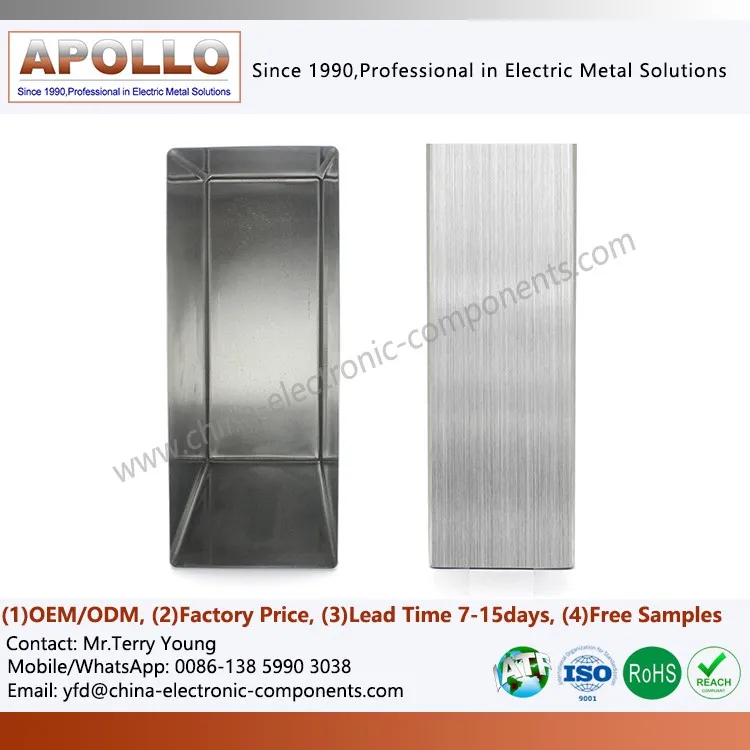
In terms of core advantages, aluminum possesses a low density, which endows aluminum shells for lithium power cells with significant weight-reduction benefits. In weight-sensitive sectors-such as portable electronic devices and electric vehicles-reducing the "dead weight" of the casing translates directly into an improvement in the overall energy density of the system. Furthermore, aluminum exhibits excellent thermal conductivity, efficiently dissipating heat generated within the battery; this capability is critical for maintaining the stability of the thermal management system and preventing overheating. Concurrently, aluminum readily forms a dense oxide film when exposed to air, granting it exceptional corrosion resistance that effectively extends the operational lifespan of the battery.
Beyond these physical attributes, the economic viability and malleability of aluminum are also key reasons for its widespread popularity. Compared to other metals, aluminum benefits from highly mature processing techniques; it is easily stamped and deep-drawn, making it ideally suited for large-scale automated manufacturing. When producing aluminum shells for LTO lithium cells, the material's malleability allows for easy customization to accommodate the diverse shapes and dimensions of different battery cells. Moreover, aluminum is an eco-friendly metal that can be recycled indefinitely; this not only minimizes environmental pollution but also enhances resource utilization efficiency, aligning perfectly with the principles of sustainable development in modern industry.
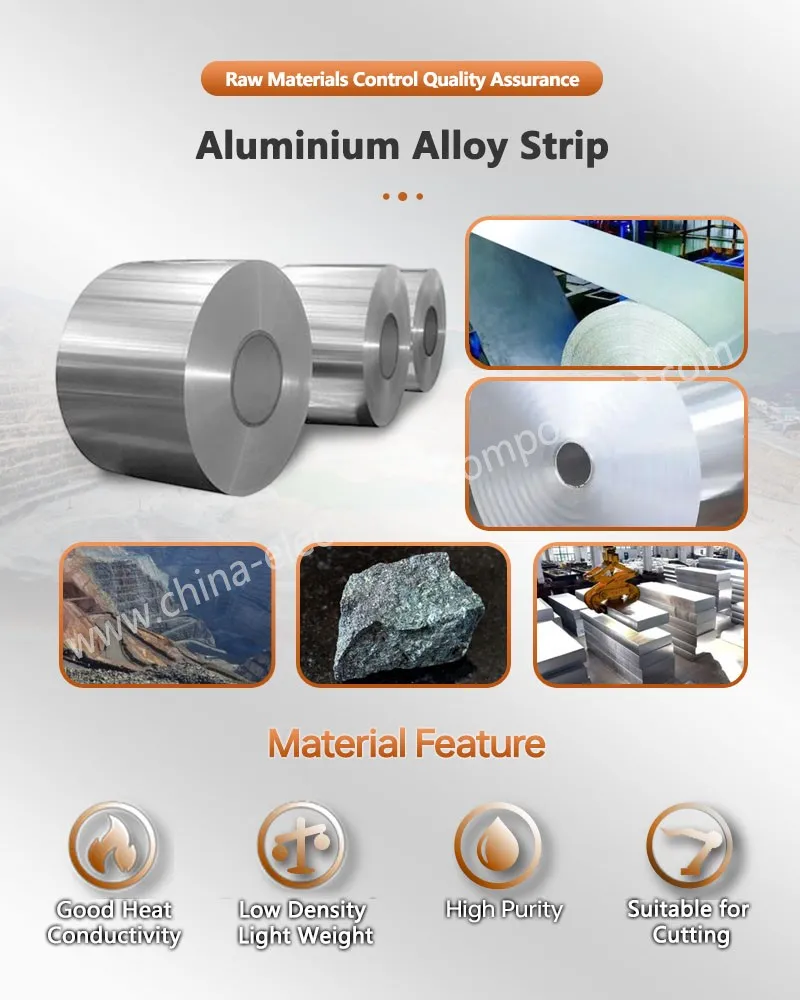
In practical applications, engineers frequently face the task of weighing the pros and cons of aluminum shells against other materials. While plastic casings are similarly lightweight and cost-effective, their mechanical strength and thermal conductivity fall far short of those offered by aluminum shells for lithium polymer battery cells; furthermore, they are prone to deformation in high-temperature environments. Conversely, while stainless steel casings boast superior mechanical strength-offering greater resistance to external compression and puncture-they weigh nearly three times as much as aluminum and possess inferior thermal conductivity, factors that significantly compromise the energy density performance of the overall battery pack.
Turning our attention to more advanced metallic materials-such as titanium alloys-we find that while they excel in terms of strength and corrosion resistance, their prohibitive cost and extreme processing difficulty limit their widespread adoption. In contrast, aluminum shells for prismatic lithium-ion cells strike an optimal balance between providing adequate mechanical protection and maintaining cost-effectiveness. For specific specialized applications involving prismatic cells (such as Samsung prismatic cells), established structural solutions within the industry often involve increasing the shell's thickness or incorporating reinforcing ribs to compensate for the inherent limitations in the tensile strength of pure aluminum.
Furthermore, aluminum shells demonstrate exceptional compatibility when deployed in high-voltage environments and complex electrochemical systems. In LiPF6 electrolytes, aluminum forms a dense passivation film under high-voltage conditions, effectively inhibiting corrosion by the electrolyte. Consequently, whether utilizing an aluminum shell for prismatic LFP cells or for conventional lithium-ion battery cells, structural integrity and electrochemical stability are maintained throughout prolonged charge-discharge cycling.
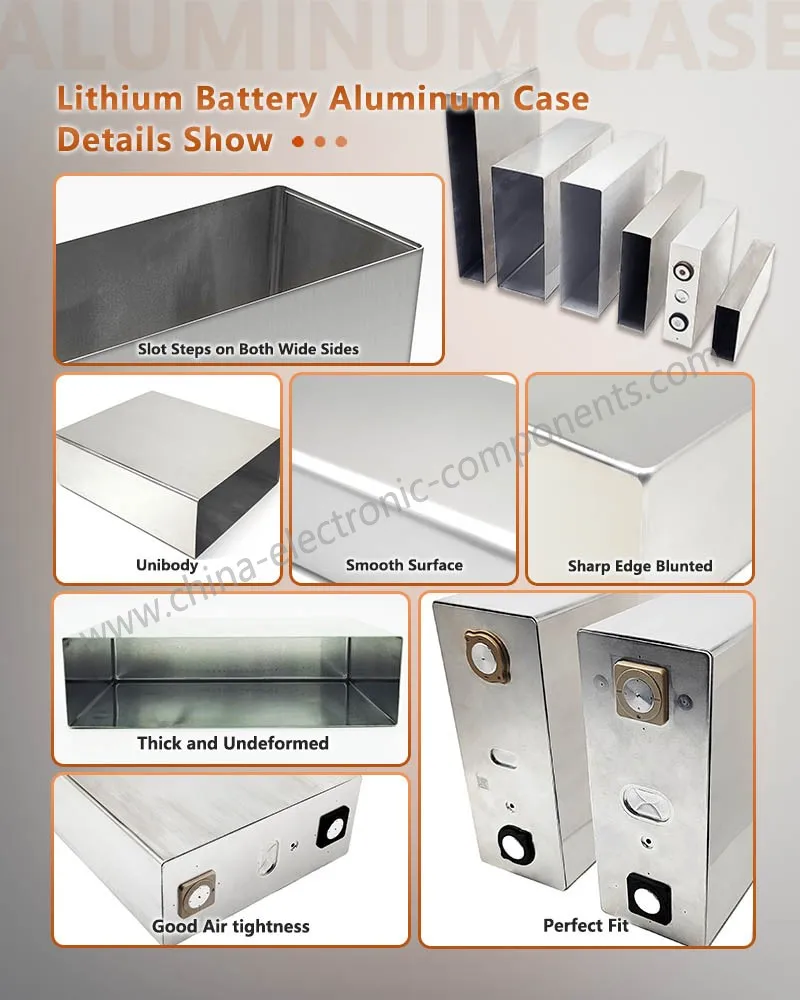
As technology continues to iterate, the scope of application for aluminum shells in battery design is constantly expanding. For instance, aluminum shells specifically engineered for high-nickel ternary lithium battery systems typically feature a concave bottom and a "meander-patterned" rib structure; this design allows for flexible deformation to absorb the internal pressure generated by gas evolution, thereby significantly enhancing safety. Furthermore, for aluminum shells used in specialized lithium dry cell applications, surface treatment techniques-such as anodic oxidation-serve to further bolster their abrasion resistance and electrical insulation properties.
In summary, whether addressing the high-voltage fast-charging demands of lithium iron phosphate cells or serving the everyday consumer electronics market, aluminum strikes a perfect balance among quality, thermal management, and safety. Looking ahead, as manufacturing processes continue to advance, standardized aluminum casings for lithium-ion batteries will continue to drive the entire energy storage industry toward higher energy densities and lower production costs.
In conclusion, it is precisely due to its comprehensive superiority-encompassing lightweight design, thermal conductivity, corrosion resistance, and cost-effectiveness-that the aluminum battery shell has established an unshakable position within the modern battery industry. It serves not only as a robust physical barrier for the battery cells themselves but also as a critical cornerstone ensuring the safe and efficient operation of new energy vehicles and energy storage power stations.
contact us
If you have specific customization requirements for li on cell Aluminum shell, or are seeking professional technical support, please feel free to contact us at any time; we will provide you with the optimal material and structural solutions.
Send Inquiry