










The Development Trends in The Battery Cell Casing Industry: Continuous Upgrades in Materials, Structures, And New Energy Battery Applications
Sep 15, 2026
Leave a message
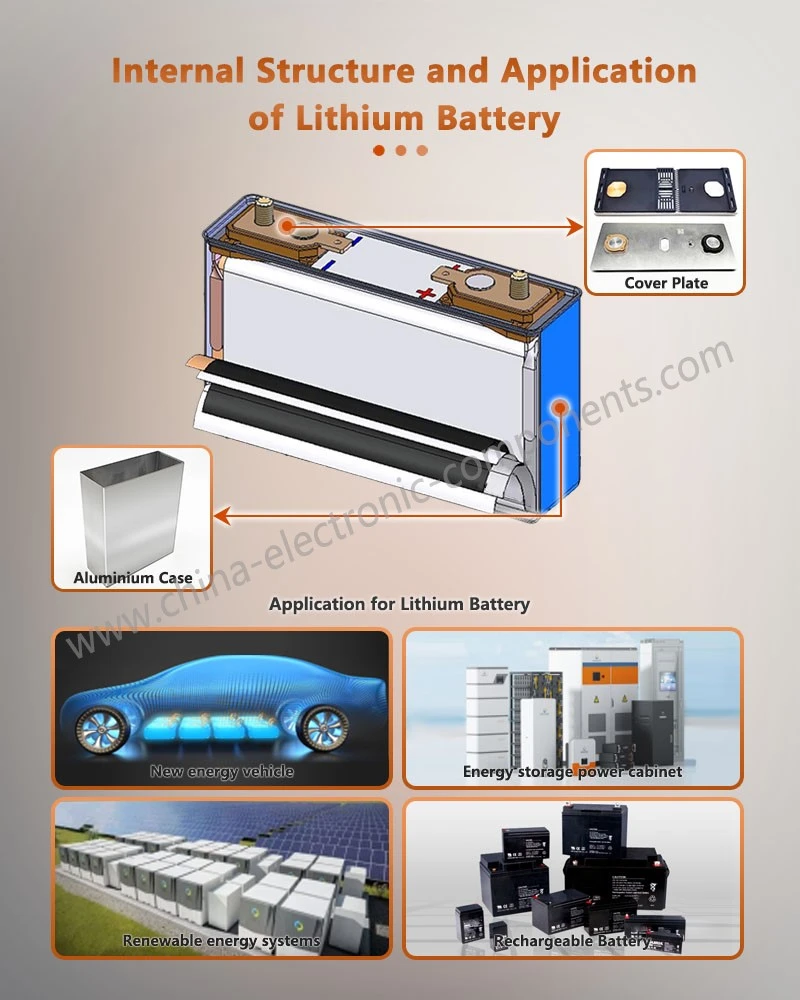
The cell casing is a critical structural component of lithium-ion batteries; it primarily serves to encase and protect core internal elements-such as the cathode, anode, separator, and electrolyte-while also providing mechanical support, sealing and protection, heat transfer, and internal pressure management. As markets for new energy vehicles, energy storage systems, power tools, and light electric vehicles continue to expand, battery products face increasingly stringent requirements regarding safety, energy density, cycle life, and space utilization. Consequently, cell casings are evolving from simple, basic packaging components into structural parts characterized by lightweight design, precision engineering, and high reliability.
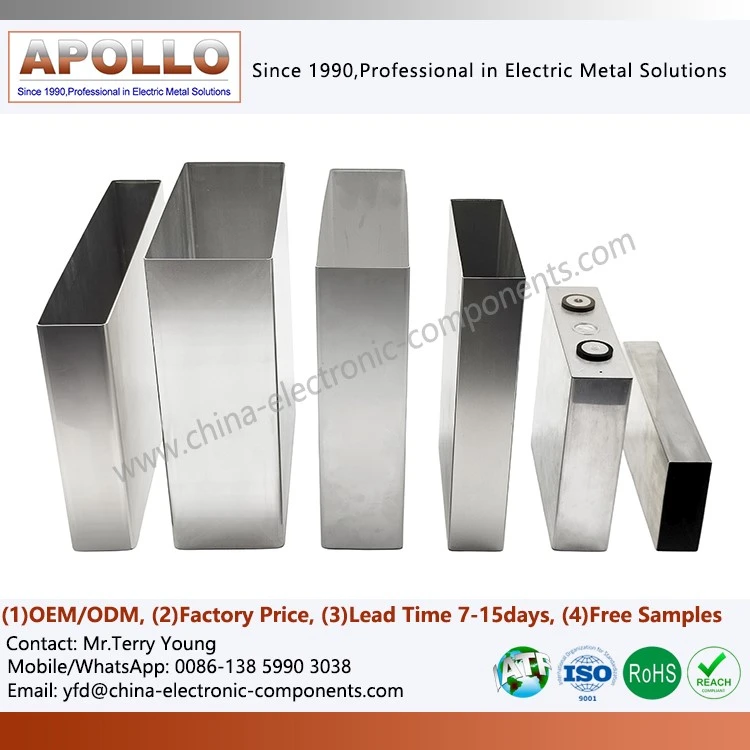
From an engineering perspective, a cell casing is far more than a simple metal container; factors such as material selection, wall thickness control, forming precision, welding quality, and sealing architecture all significantly impact the battery's overall performance. This is particularly true for high-capacity power and energy storage batteries, where cell dimensions are increasing and the heat generated by internal chemical reactions-along with volumetric changes during charge and discharge cycles-becomes more pronounced. Therefore, the casing must balance structural strength, corrosion resistance, thermal conductivity, and long-term sealing stability.
Current cell packaging technologies generally fall into three categories: cylindrical, prismatic, and pouch. Cylindrical cells typically utilize steel or aluminum casings, offering standardized specifications, mature automated manufacturing processes, and robust mechanical strength. Prismatic cells predominantly use aluminum alloy casings; their regular shape enables high space utilization and facilitates high-capacity designs. Pouch cells are encased in aluminum-plastic composite films, offering advantages such as lighter weight, flexible shape design, and higher energy density, though they place greater demands on external mechanical protection and packaging processes.
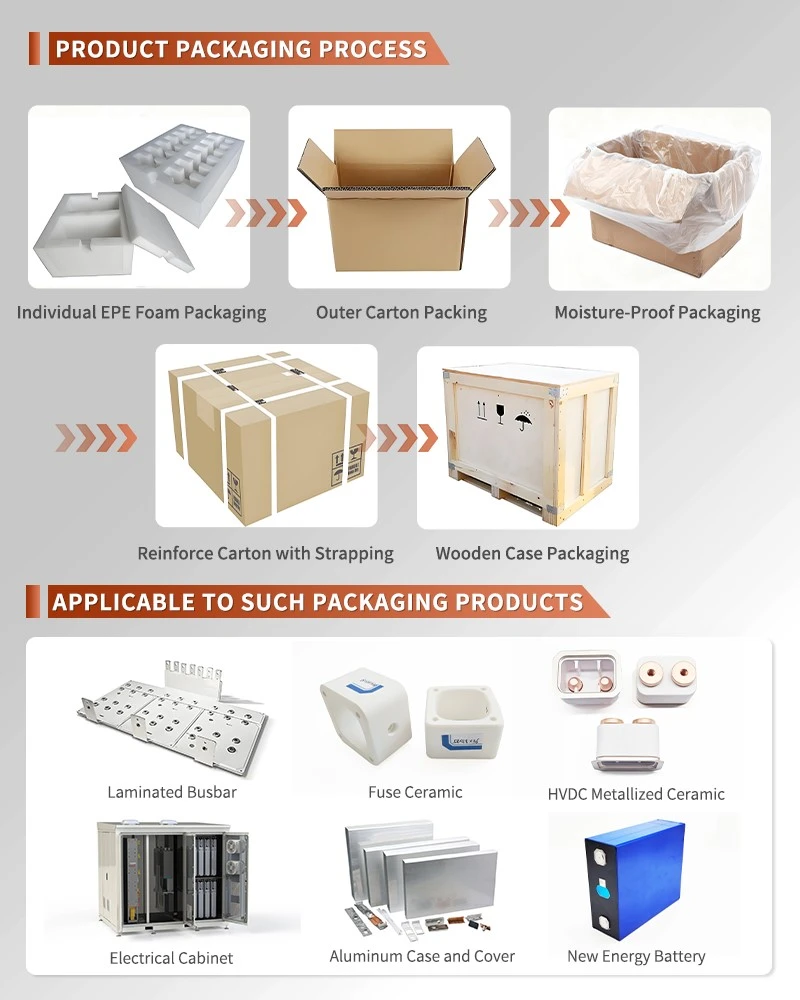
As battery chemistries like lithium iron phosphate (LFP) see wider adoption in new energy vehicles and energy storage, the range of casing products developed for these diverse systems has also expanded. For instance, LFP battery packs require structural components that offer stable mechanical support and environmental resilience; furthermore, variations in cell dimensions, capacity, and mounting configurations necessitate specific approaches to spatial design and interconnection methods. Consequently, cell casing design is shifting from merely matching cell dimensions toward a holistic approach that integrates structural synergy at the battery system level.
Regarding materials, aluminum and aluminum alloys remain key materials for the casings of power and energy storage batteries. Aluminum materials offer low density, good thermal conductivity, strong corrosion resistance, and ease of processing, enabling a reduction in the overall weight of battery systems while meeting structural strength requirements. For energy storage applications-such as aluminum cases for Powerwall lithium battery packs-the housing must accommodate long-term operating environments, mechanical protection, and thermal management needs; in contrast, automotive traction batteries prioritize weight control, dimensional accuracy, and mass-production consistency.
The ongoing demand for lightweighting in new energy vehicles drives the development of aluminum alloy battery housings. For automotive battery cases, materials must not only meet formability requirements but also allow for the determination of optimal wall thicknesses and reinforcement structures based on cell dimensions, internal pressure, and mounting methods. In production, processes such as stamping, deep drawing, sizing, trimming, and welding are closely interconnected; dimensional deviations from early forming stages can directly impact subsequent steps, including cover plate fit, sealing, and assembly precision.
Housing structures vary significantly depending on the specific traction battery application. Aluminum cases for car LiFePO4 battery packs are typically sized to match vehicle chassis space, cell arrangements, and module structures, whereas cases for EV lithium battery packs focus more on forming precision for large-scale housings, control of welding deformation, and long-term reliability. As battery pack integration in new energy vehicles advances, the spatial relationships between the housing and components such as the battery tray, cover plate, cooling structures, and high-voltage connection systems are becoming increasingly tight.
In the realm of pouch cells, aluminum-plastic film serves primarily as a barrier and sealing layer, differing markedly in structure from rigid metal housings. For products such as aluminum cases for pouch-type LiFePO4 rechargeable batteries, the external support structure must protect the pouch cells while preventing localized stress concentrations and reserving adequate space for thermal management and electrical connections. Consequently, housing design for pouch cells relies heavily on the synergistic design of materials, support components, and packaging structures.
In the commercial vehicle and public transport sectors, battery systems often feature high capacities; factors such as prolonged vibration, temperature fluctuations, and complex operating environments place even higher demands on the structural reliability of the housing. Designing aluminum cases for electric bus LiFePO4 battery packs requires a comprehensive assessment of factors including cell arrangement, module fixation, vehicle vibration, and maintenance accessibility. Compared to standard small-scale battery products, large-scale battery systems impose stricter requirements regarding casing dimensional consistency and mass-production stability.
Small-scale energy storage systems, e-bikes, and backup power supplies also generate significant demand for battery casings. For aluminum casings designed for 12V LiFePO4 prismatic cell packs, the internal space must be determined based on the cell arrangement while accommodating connection terminals, mounting structures, and external protection needs. E-bike battery casings prioritize weight, vibration resistance, and ease of installation; consequently, their design often requires balancing lightweight construction with mechanical strength.
As light electric vehicles become increasingly electrified, lithium-ion batteries are gradually replacing some traditional lead-acid batteries. In this transition, aluminum casings for Li-ion e-bike battery packs must not only accommodate various cell specifications but also address heat dissipation, protection, and assembly space requirements. For motor-driven vehicles, the casing must also prevent connection loosening or structural fatigue caused by prolonged vibration.
In electric vehicle powertrains, the battery casing has become a critical structural component influencing system weight reduction. Aluminum casings for EV LiFePO4 battery packs typically require custom designs that integrate factors such as cell capacity, vehicle spatial constraints, and mounting methods. Unlike standard consumer batteries, automotive power batteries place greater emphasis on dimensional tolerances, welding reliability, airtightness, and long-term durability.
For applications replacing traditional lead-acid batteries, the casing structure must also account for existing mounting dimensions and interface locations. Design priorities for aluminum casings in these replacement applications include dimensional compatibility, weight reduction, mounting method alignment, and internal cell arrangement, ensuring the new lithium battery system fits the existing equipment's installation environment.
Beyond power batteries, aluminum casings are also used for certain primary lithium batteries and products with specialized chemical systems. For instance, aluminum casings for primary LiFeS2 batteries require material and packaging structures tailored to the specific battery chemistry, internal pressure, and storage environment. Since different battery systems vary in operating temperatures, internal reaction characteristics, and safety requirements, a standardized casing design cannot simply be applied across the board.
In the consumer electronics sector, the focus shifts toward miniaturization, aesthetic consistency, and dimensional precision. For specific products such as aluminum shells for Samsung Li-ion batteries, the casing must not only provide cell protection but also accommodate structural design constraints and assembly precision requirements within a limited space. As consumer electronics trend toward thinner and lighter designs, manufacturing requirements for battery casings-specifically regarding thin-wall forming, dimensional tolerances, and surface quality-continue to rise.
In terms of manufacturing processes, cell casing production typically involves multiple stages: material blanking, stamping or deep drawing, sizing, trimming, cleaning, welding, and inspections for dimensions and sealing integrity. For deep-drawn structures, material elongation and formability directly influence the likelihood of cracking, wrinkling, or localized wall thinning. Production also requires precise control over die clearance, stamping speed, and lubrication conditions to ensure consistent forming results.
Large aluminum alloy battery casings are particularly sensitive to welding processes. Joining the casing to the cover plate usually requires laser welding, friction stir welding, or other suitable techniques. The welding process must ensure joint strength while controlling deformation caused by heat input and minimizing defects such as porosity, lack of fusion, and cracking. For battery products requiring long-term hermetic sealing, weld quality must be verified through airtightness testing.
Dimensional accuracy is another critical metric in the mass production of cell casings. Deviations in length, width, height, wall thickness, or the dimensions of key mounting points directly impact cell assembly, module stacking, and space utilization within the battery pack. Consequently, mass production relies on methods such as specialized gauges, coordinate measuring machines (CMM), and in-line inspection to control critical dimensions, alongside process capability analysis to identify stability risks.
Sealing performance is also a key evaluation criterion for cell casing design. Electrolytes are highly sensitive to moisture; even minute leakage paths in the casing can lead to performance degradation or safety hazards. Therefore, the joint area between the casing and the cover plate requires rigorous control regarding materials, welding techniques, sealing structures, and inspection methods. For high-capacity power batteries and energy storage batteries, sealing reliability must also be assessed under conditions such as long-term thermal cycling, pressure fluctuations, and mechanical vibration.
The development of the cell casing industry is also closely linked to advancements in battery structural integration technology. With the gradual advancement of highly integrated battery technologies such as CTP (Cell-to-Pack) and CTC (Cell-to-Chassis), the traditional hierarchical structure between cells and battery packs is being streamlined. Consequently, the casing must evolve beyond mere encapsulation to play an active role in structural load-bearing, thermal management, and spatial layout optimization. This shift implies that future cell casing designs will prioritize synergy between structural components and the battery system, rather than focusing solely on the manufacturing efficiency of the casing itself.
The energy storage market imposes requirements on cell casings that differ from those for passenger vehicle power batteries. Energy storage systems typically operate over extended periods; therefore, casings must prioritize long-term corrosion resistance, dimensional stability, thermal management, and batch consistency. As high-capacity energy storage batteries see increases in both cell dimensions and capacity, casings must withstand greater mechanical stress while accommodating the compact layouts found within battery clusters.
Overall, cell casings are evolving from simple encapsulation components into precision structural parts that integrate structural support, protection, heat dissipation, and system-level functions. Future industry competition will center on material utilization, forming precision, welding quality, automation levels, lightweight design, and reliability validation capabilities. The continued expansion of application markets-including new energy vehicles, energy storage systems, electric two-wheelers, and consumer electronics-will further drive the trend toward diversified specifications and customization in cell casing design.
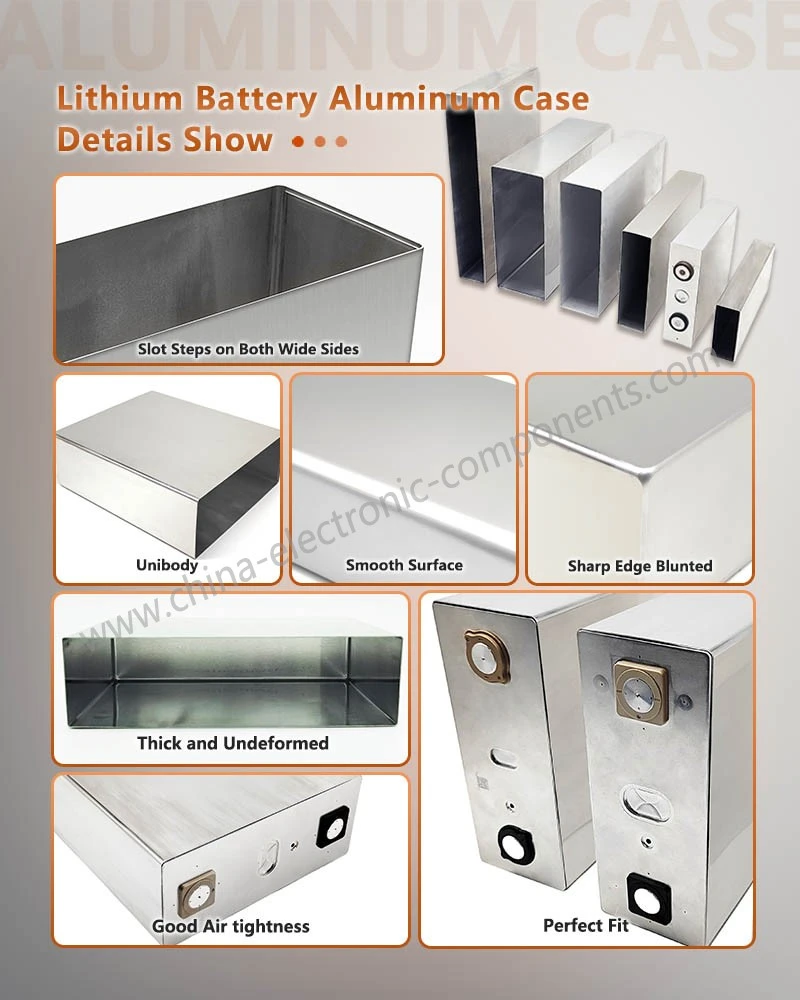
For engineering procurement, the selection of an EV Battery Pouch Cell Aluminum Case supply solution should involve a thorough evaluation of material grades, dimensional tolerances, forming processes, welding methods, airtightness verification, and batch consistency. Furthermore, the appropriate casing structure and manufacturing process should be determined based on the specific cell chemistry and application environment.
contact us
Send Inquiry