










Current-Carrying Capacity, Surface Treatment, And Applications Of Aluminum Busbars
May 21, 2026
Leave a message
Aluminum busbars are large-cross-section conductors utilized in power systems for the transmission and distribution of electrical energy; they are widely applied across power grids, industrial equipment, and the new energy sector. The core function of aluminum busbars is to serve as a substitute for traditional cables, acting as the primary conductive medium within low-voltage systems to interconnect critical components such as battery packs and power distribution boxes. Their typical cross-sectional shapes include rectangular and cylindrical profiles, designed to enhance current-carrying capacity by increasing the cross-sectional area. Furthermore, their surfaces can undergo various treatments-such as tin, nickel, or silver plating, as well as insulating coating-to accommodate the specific requirements of diverse application environments and operating conditions.
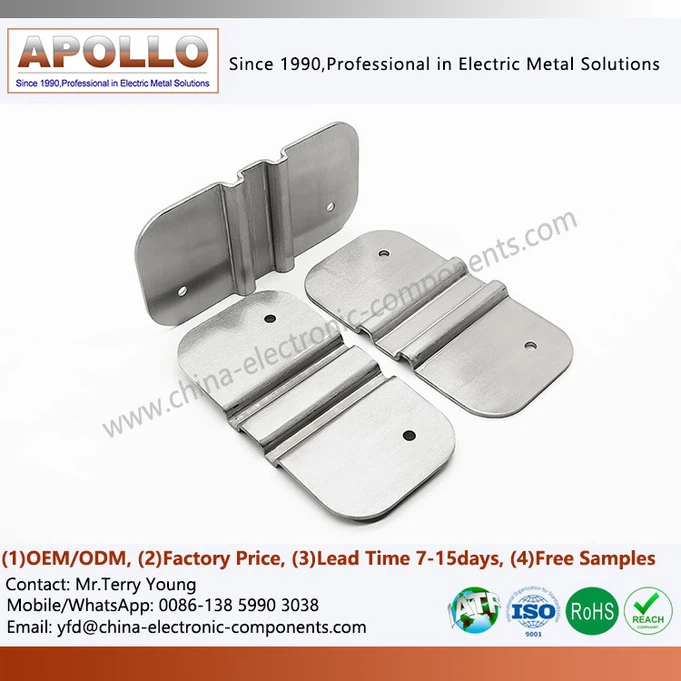
Regarding material selection, aluminum electrical busbars are typically manufactured using high-purity aluminum (such as grades 1050 and 1060) or aluminum alloys (such as grades 6063 and 6061). Among these options, the 6061 aluminum busbar is highly favored due to its excellent comprehensive performance characteristics. This material possesses an electrical conductivity ranging from approximately 55% to 62% of the International Annealed Copper Standard (IACS), yet its density is merely 30% that of copper, resulting in significant weight reduction benefits. Furthermore, the tensile strength of 6-series aluminum alloys can reach between 150 and 300 MPa-far exceeding that of pure aluminum-making them particularly well-suited for applications involving high currents and environments subject to vibration; this significantly enhances both product durability and operational stability.
From an electrical performance perspective, the conductivity of aluminum electrical busbars generally ranges from 35% to 61% of the IACS, with the specific value depending on the purity of the aluminum and the type of alloy used. Taking 1060 pure aluminum as an example, its conductivity is approximately 61%; however, its electrical resistivity is about 1.6 times that of copper. Consequently, in practical applications, it is often necessary to increase the cross-sectional area of the busbar to compensate for this lower conductivity. For instance, a busbar measuring 100 × 10 mm can carry a current of approximately 1,200 to 1,500 amperes in an ambient temperature of 40°C. Typically, the allowable temperature rise during operation is limited to a maximum of 50°C, though within battery packs, stricter requirements often apply, limiting the temperature rise to no more than 30°C.
Surface treatment constitutes a critical step in enhancing the performance of tin-plated aluminum busbars. While aluminum naturally forms a dense oxide film when exposed to air, its corrosion resistance in humid or contaminated environments is limited; therefore, special treatment of the connection points is essential. Through a tin-plating process, tin-plated aluminum busbars acquire a uniform tin layer on their surface, effectively bolstering the oxidation resistance and corrosion resistance of the electrical connections. Additionally, other surface treatments-such as nickel plating or silver plating-can be flexibly selected based on specific application scenarios, thereby ensuring that the product maintains reliable electrical conductivity even in harsh environmental conditions.
In the field of new energy, aluminum busbars designed for cell interconnection have become indispensable components linking battery modules with power distribution systems. New energy equipment often experiences frequent current fluctuations during operation, generating significant current surges during startup or sudden load changes; thanks to their superior current-carrying capacity, aluminum busbars are highly effective in meeting and managing these operational challenges. Furthermore, the lightweight properties of aluminum busbars for cell connections reduce the structural strength requirements for supporting components; for electric vehicles and energy storage systems, this translates into reduced overall vehicle weight and lower system costs.
In power distribution equipment, aluminum flat busbars for switchgear represent the most common form of application. Their rectangular cross-section facilitates efficient power distribution within confined spaces, while their large surface area also promotes effective heat dissipation. Given aluminum's relatively high coefficient of thermal expansion, connection designs must incorporate adequate provisions for thermal expansion compensation to ensure that the system maintains stable electrical contact and mechanical integrity amidst temperature fluctuations.
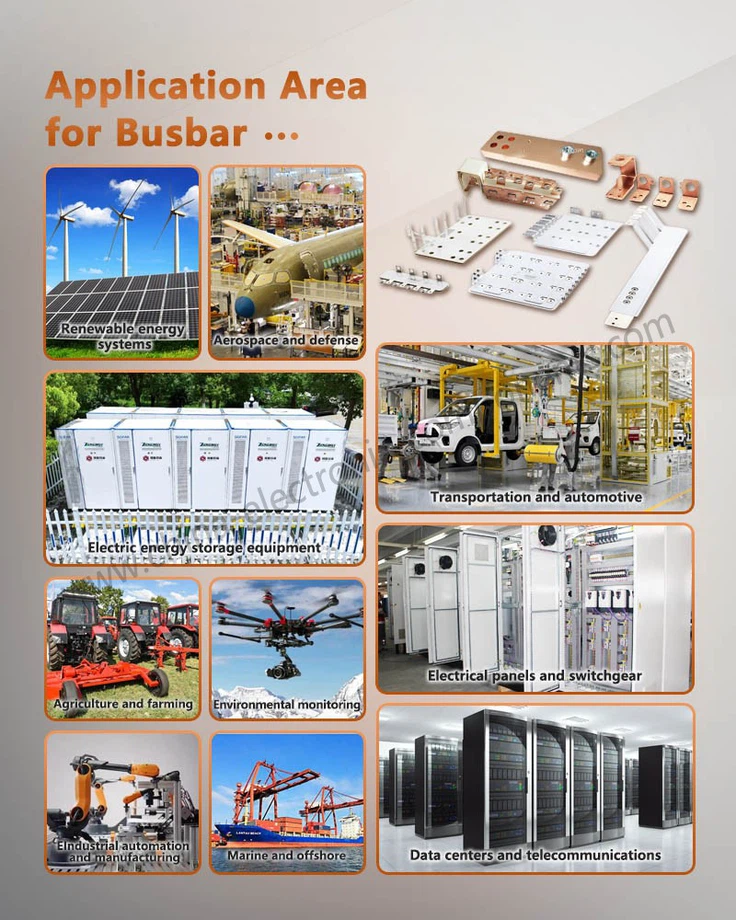
When selecting aluminum flat busbars, it is recommended to comprehensively evaluate key parameters such as current-carrying capacity, short-circuit withstand capability, and heat dissipation conditions. Ensuring the proper specification match for the aluminum busbar electrical power connector is a primary consideration; users must select the appropriate product based on actual current load requirements and the specific installation environment. Furthermore, attention should be paid to material certifications and test reports to verify critical metrics-such as electrical conductivity and temperature resistance ratings-thereby enabling the selection of the most cost-effective solution. Should you have any requirements regarding the selection or customization of aluminum flat busbar products, please feel free to contact us at any time; our professional team is ready to provide you with personalized technical consultation and tailored solutions.
contact us

Send Inquiry