










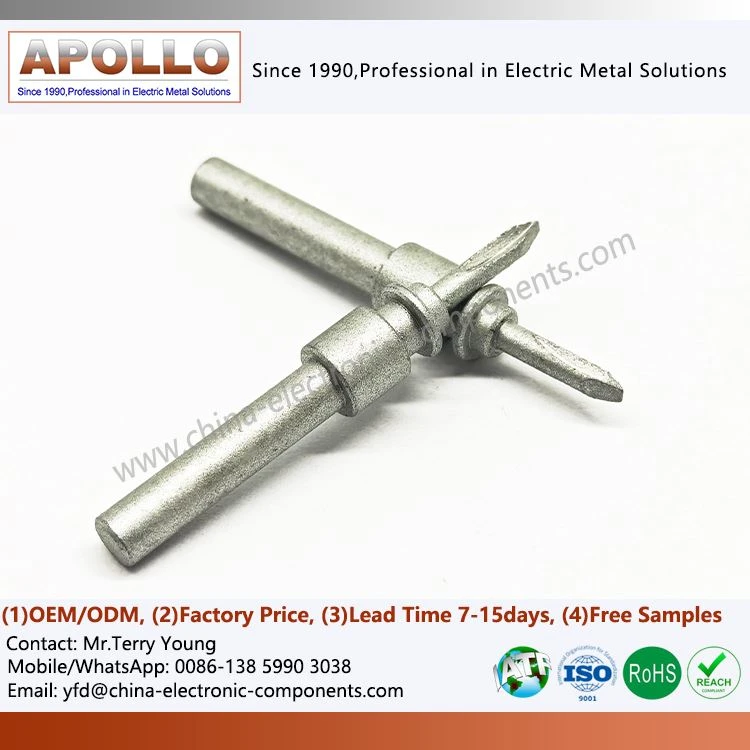
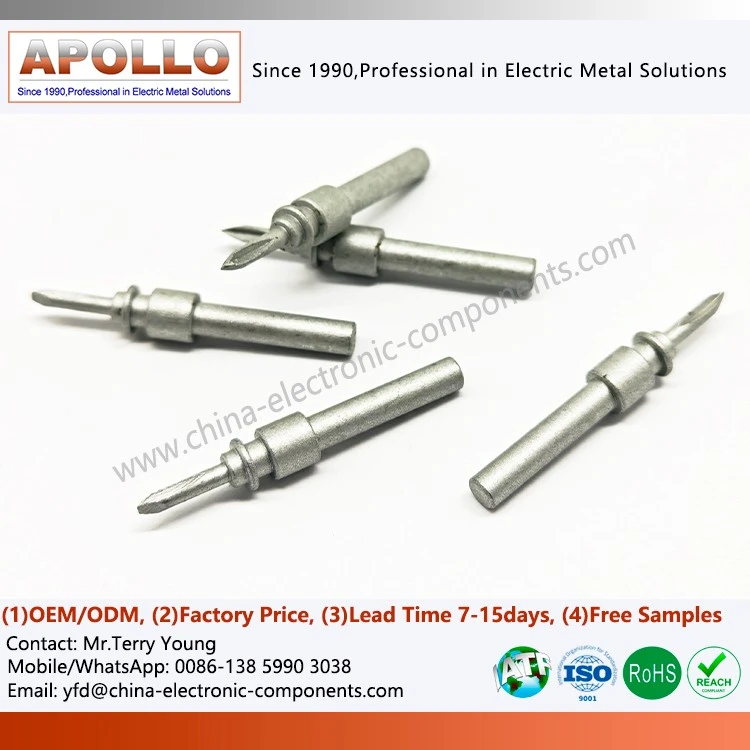
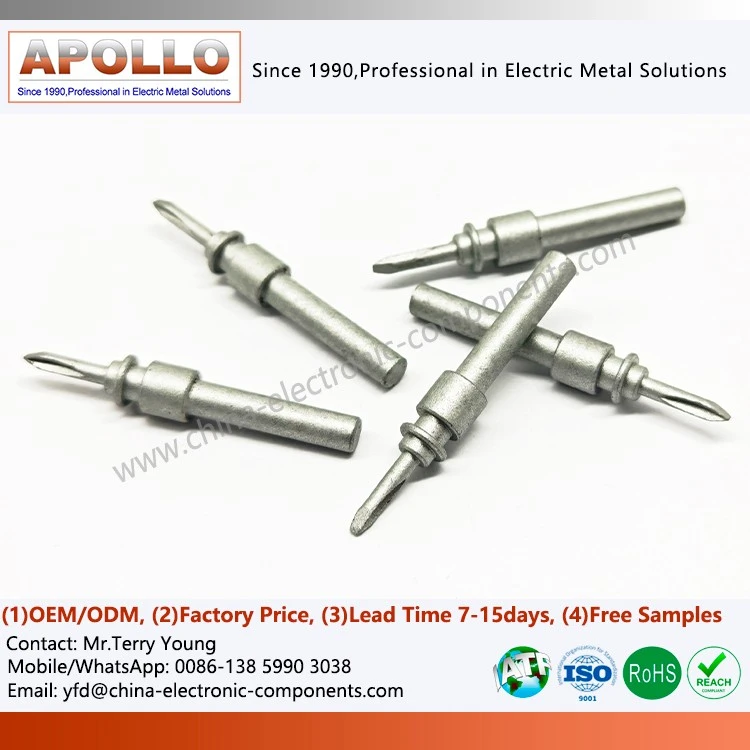
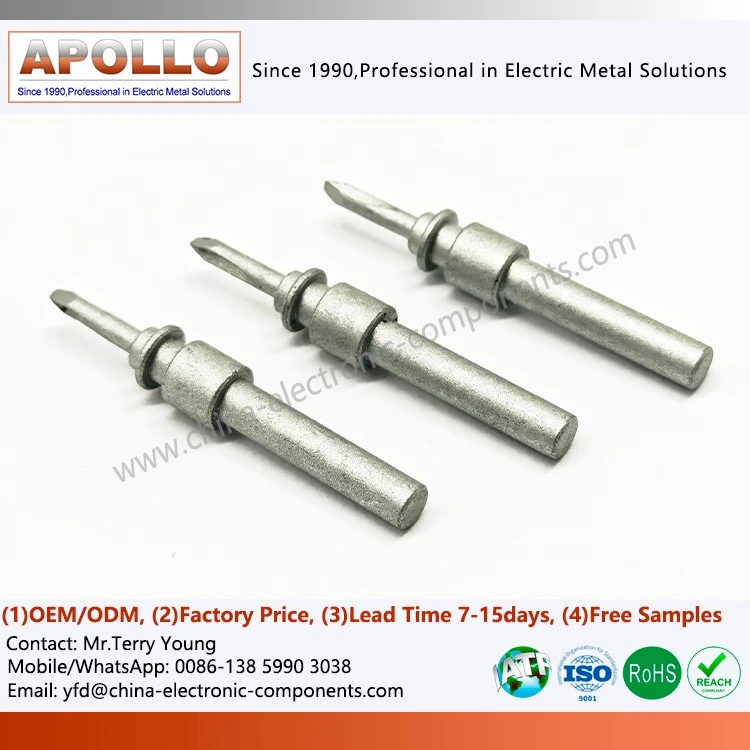
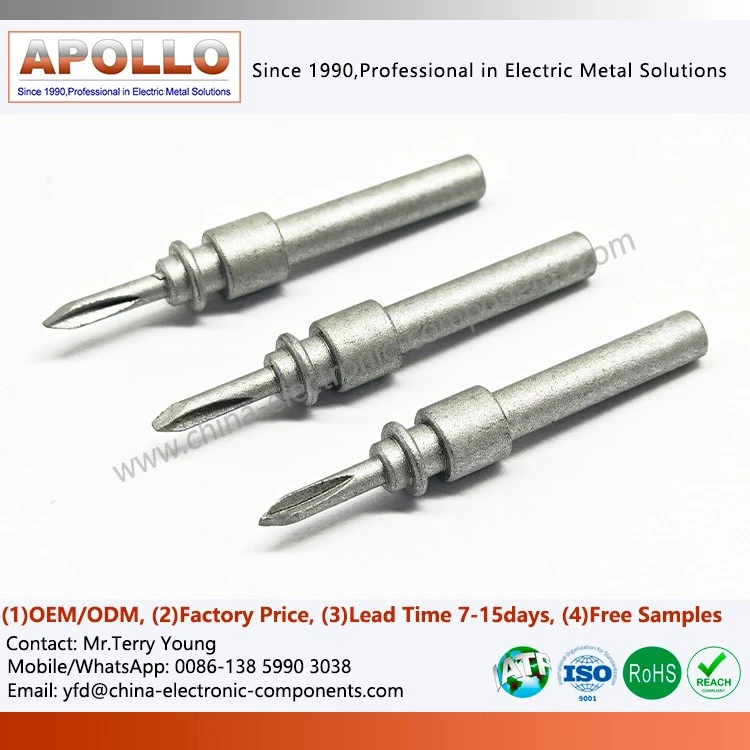
Break Mandrel Step Slotted Rivet
What is a Break Mandrel Step Slotted Rivet?

The "slotted-head stepped blind rivet" falls under the category of blind rivets but incorporates targeted optimizations regarding head profile, mandrel break-off characteristics, and shank geometry.
Slotted/Flat Head: The head features a flat, slotted profile, resulting in a relatively smooth surface after installation that facilitates subsequent coating, bonding, or sealing; it also provides a larger load-bearing area, reducing the risk of localized indentation.
Stepped Shank: The shank features a distinct diameter step, enabling the rivet to provide tiered support and expansion across layers of varying thicknesses-making it particularly suitable for assemblies involving multi-layer sheets, sandwich structures, or abrupt changes in thickness.
Slotted Structure: Precision slots located on the shank or near the head guide the material to deform in a specific direction during the setting process, enhancing hole-filling performance and resistance to rotation.
Break-Mandrel Design: The mandrel snaps and detaches at a predetermined location once the required pulling force is reached, leaving behind a reliable internal locking structure; the installation process is clean and highly efficient.
Multi-Step Shank Slotted Blind Rivet Technical Features: A Detailed View of Industrial-Grade Precision
Blind-End Expansion Details
Cross-sectional analysis reveals a symmetrical, full "mushroom-head" formation at the blind end. With a diameter significantly larger than the original hole, it firmly anchors against the inner surface of the backplate, creating a secure mechanical lock.
Mandrel Break-Point Quality
Close-up inspection of the fractured mandrel shows a smooth, burr-free break surface. The mandrel tip sits flush with or slightly recessed below the slotted head-demonstrating the precision of the pre-engineered break groove and effectively eliminating the risk of protruding ends damaging cables or injuring personnel.
Head Slot Chamfering
The edges of the slotted drive recess undergo precision chamfering and deburring. This design facilitates tool engagement while eliminating stress concentrations caused by sharp edges, thereby preventing the head from cracking during use.

One-Pull Slotted Step Blind Fastener Manufacturing Process: Ensuring Product Consistency from the Source
| Integrated Cold-Heading Process | The rivet body is formed in a single operation using multi-station cold-heading equipment. Dimensional precision for the head, tubular body, and shoulder structures is controlled within ±0.02mm; this eliminates the seams associated with traditional multi-stage machining and ensures uniform structural strength. |
| Specialized Mandrel Heat Treatment | Mandrels undergo quenching, tempering, and surface hardening. This dual-treatment approach ensures toughness-preventing brittle fracture during setting-while enhancing surface wear resistance to extend service life during automated feeding. Break-point strength is precisely controlled to keep the breaking force deviation of every rivet within ±5%, resulting in an installation success rate exceeding 99.8%. |
| Precision Slot Machining | The slotted head is machined using specialized milling equipment. Slot depth, width, and edge finish undergo rigorous inspection to ensure a perfect fit with the grippers of automated feeding systems, preventing feeding jams or premature slot wear. |
| Comprehensive Quality Control | Every batch undergoes multiple tests-including dimensional checks, tensile/setting force testing, salt spray testing, and vibration testing-to ensure that finished products meet internationally recognized IFI industrial fastener standards and comply with global engineering procurement requirements. |

Frequently Asked Questions
Q1: What is the key difference between stepped-mandrel blind rivets with slotted heads and standard blind rivets?
-
The core difference lies in the stepped mandrel structure and the slotted head design. Standard blind rivets feature a straight mandrel, resulting in unidirectional force application during riveting and inconsistent break-point positioning. The stepped mandrel uses multiple steps to provide physical stops and staged load transfer, ensuring more uniform expansion of the rivet body and a balanced distribution of clamping force; the slotted head facilitates precise installation and serves as a visual alignment reference.
Q2: What sheet thickness range is this product suitable for?
-
The stepped design allows a single rivet to accommodate a wider grip range than standard rivets. Specific grip ranges vary by model; please contact our engineering team for technical recommendations tailored to your specific application.
Q3: How does the product perform in terms of vibration resistance?
-
The stepped structure creates multiple load-bearing surfaces, effectively dispersing alternating vibration loads; upon completion of riveting, the mandrel and rivet body lock together through permanent plastic deformation. In high-frequency vibration environments, its resistance to loosening significantly outperforms traditional bolted connections and standard blind rivets.
Q4: Can special materials or surface treatments be customized?
-
Yes. We offer various material options, including stainless steel (304/316L), coated carbon steel, and aluminum alloy. Surface treatment processes can also be customized to meet specific customer requirements for corrosion resistance, electrochemical compatibility, and other considerations. Please provide your operating parameters, and we will recommend the optimal material solution.
Q5: Is the product suitable for automated assembly lines?
-
Yes, it is fully compatible. The slotted head serves as a physical feature point for visual recognition systems, enabling precise automated alignment; furthermore, the fastening process is completed in a single operation using standard riveting tools, making it well-suited for the high-volume assembly pace of automated production lines.

contact us
During the engineering procurement and project implementation phases, we prioritize alignment with the client's structural requirements, process stability, and verifiable long-term performance. We invite you to provide details regarding operating conditions, material combinations, and assembly specifications; based on these practical parameters, we will offer tailored Structural Slotted Step Pop Rivet selection and technical support to facilitate the entire process-from sample validation to volume supply.

Hot Tags: Break Mandrel Step Slotted Rivet, Step Slotted Blind Rivet, Slotted Pop Rivet, Break Stem Rivet Manufacturer, Custom Blind Rivets, Industrial Rivet Supplier, Precision Rivet Manufacturing, Cross Recessed Screw, Double Ended Machine Screw, Double Ended Threaded Bolt, Self Cutting Metal Screws, Stainless Steel Pocket Screws, Steel Set Screw
You Might Also Like


Send Inquiry