










EV Range Anxiety and How to Extend the Lifespan of Lithium-ion Batteries
May 13, 2026
Leave a message
As the electric vehicle (EV) industry continues to evolve, its market standing improves year by year; however, concerns regarding driving range reliability and power battery cell longevity remain core pain points that weigh heavily on owners' purchasing decisions. Consequently, many prospective buyers hesitate to make a purchase due to anxieties surrounding these two major issues. As the core component of an EV, the health status of the battery directly dictates both the vehicle's user experience and its overall lifecycle.
Among the various battery-related concerns, the question of whether fast charging adversely affects battery lifespan is one of the issues owners care about most. Some EV manufacturers, in their vehicle specifications, advise against the frequent use of fast charging whenever possible; this cautionary note has further exacerbated owners' apprehensions. Given that lithium-ion batteries constitute the dominant battery technology in the EV sector, their tolerance for fast charging has consequently become a focal point of industry attention.
To clarify the impact of fast charging on batteries, one must first understand the fundamental definition and operational characteristics of DC fast charging. DC fast charging refers to a method of replenishing an EV's energy supply using high currents over a short duration. Commercially available DC fast-charging stations typically range in power output from 90 kW to 360 kW-a range representing 7 to 50 times the output of AC charging stations (which typically range from 3.5 kW to 21 kW). This disparity in power enables rapid energy replenishment within a matter of minutes. Notably, LiFePO4 (Lithium Iron Phosphate) power cells, by virtue of their stable electrochemical properties, demonstrate superior tolerance in fast-charging scenarios.

Comparative testing conducted by the Idaho National Laboratory (INL) offers particularly valuable insights. The laboratory subjected two Nissan Leafs to a one-year trial: one was charged exclusively via AC power, while the other relied entirely on DC fast charging. After covering nearly 85,000 kilometers, the fast-charging group exhibited a 27% loss in battery capacity, whereas the AC-charging group saw a 23% loss. This demonstrates that while DC fast charging does indeed degrade battery health, the impact is relatively minor-far less severe than the degradation observed under extreme testing conditions. Similar patterns regarding fast-charging degradation have also been noted in studies concerning Lithium-ion Batteries for Solar Products.
In practice, standard AC charging is sufficient to meet the daily needs of most electric vehicle owners. For those with the necessary facilities, installing a home AC charging station is the optimal choice; simply charging overnight while parked is enough to satisfy the next day's travel requirements. This approach not only mitigates the negative impact of frequent fast charging on the battery but also reduces operating costs. When paired with AC slow charging, Lithium SuperPack Batteries can achieve their maximum potential lifespan.
Undeniably, fast charging remains an indispensable method for replenishing energy in electric vehicles, particularly for meeting rapid recharging needs during long-distance travel. It is worth noting that occasional use of fast charging will not cause significant damage to the battery nor result in a drastic reduction in capacity. Experience with Solar Energy Storage Systems Lithium Battery Packs indicates that by prudently managing the frequency of fast charging, it is possible to strike a healthy balance between charging efficiency and battery longevity.
If fast charging becomes necessary, employing the correct techniques can minimize its impact on the battery. First and foremost, one should avoid fast charging during periods of extreme heat; if fast charging is unavoidable, select a shaded location to prevent overheating, which can exacerbate degradation. Although the thermal management systems within Lithium Battery Packs provide a certain degree of protection, they still require support from environmental controls to function optimally.
While charging in cold weather does not inherently damage the battery, the Battery Management System (BMS) will automatically reduce power output to safeguard the cells. This results in slower charging speeds and longer charging times-a normal and necessary protective mechanism. The inherent low-temperature charging characteristics of Lithium-ion Battery Packs dictate that they must regulate power output to adapt to ambient temperatures.
The core strategy for preserving the health of lithium-ion batteries is to maintain their charge level within the 20% to 80% range; allowing the charge state to drop to extremely low levels or rise to extremely high levels can cause long-term damage to the battery. For daily use, it is recommended to charge the battery to 80%, reserving a full charge only for long-distance travel; this practice effectively slows down battery degradation. Furthermore, the accompanying management features of the Battery Pack Kit assist owners in maintaining optimal control over their battery levels.
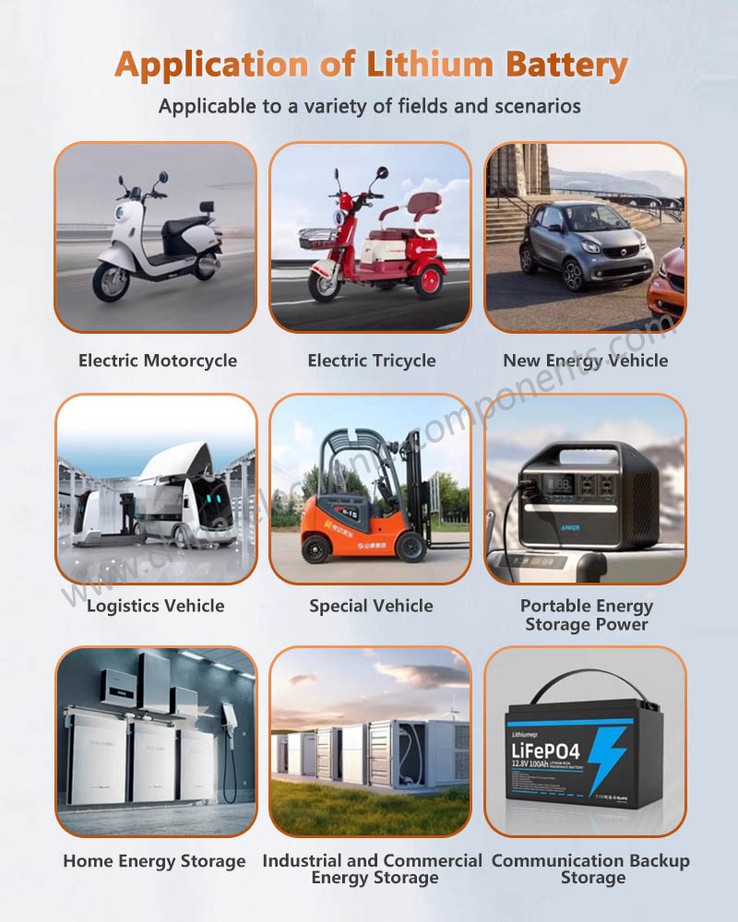
Alleviating range anxiety depends not only on technological advancements but also-crucially-on proper maintenance by the vehicle owner. Maintenance best practices for lithium-ion batteries used in solar energy systems can be effectively applied to automotive batteries; specifically, judiciously managing charging methods and avoiding extreme charging states can significantly extend battery lifespan.
Overall, range anxiety in electric vehicles can be mitigated through sensible charging and energy replenishment planning, while battery longevity relies on scientifically sound charging habits. The impact of fast charging is limited and can be effectively minimized through proper usage techniques. Furthermore, ongoing technological iterations in lithium-ion energy storage systems are continuously enhancing battery tolerance for fast charging as well as overall service life, thereby further alleviating concerns for vehicle owners.
If you require technical consultation or assistance with product selection regarding Flash Battery lithium batteries, we invite you to contact us to receive professional, comprehensive industry support and customized solutions.
contact us

Send Inquiry