












Ceramic Body For Auto Fuses
Products Description
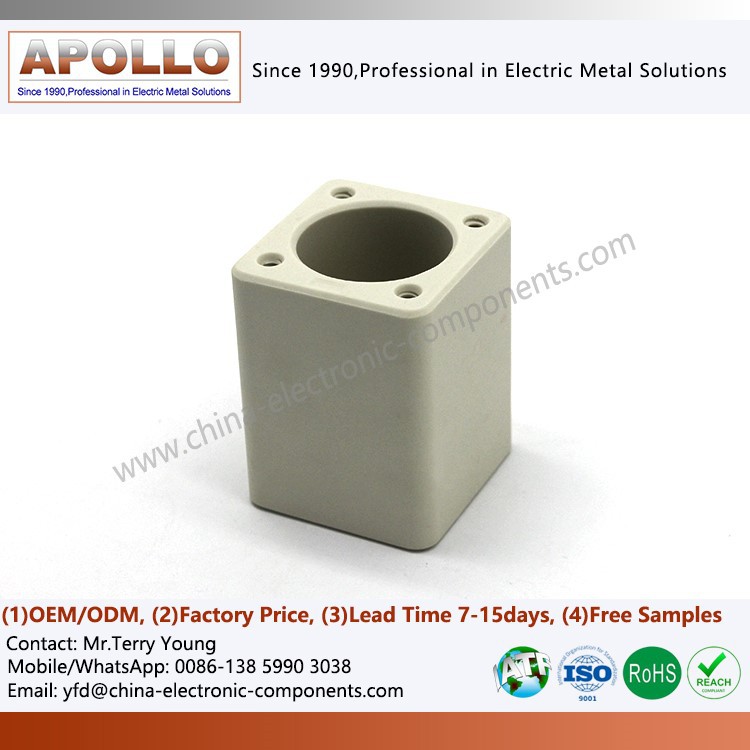
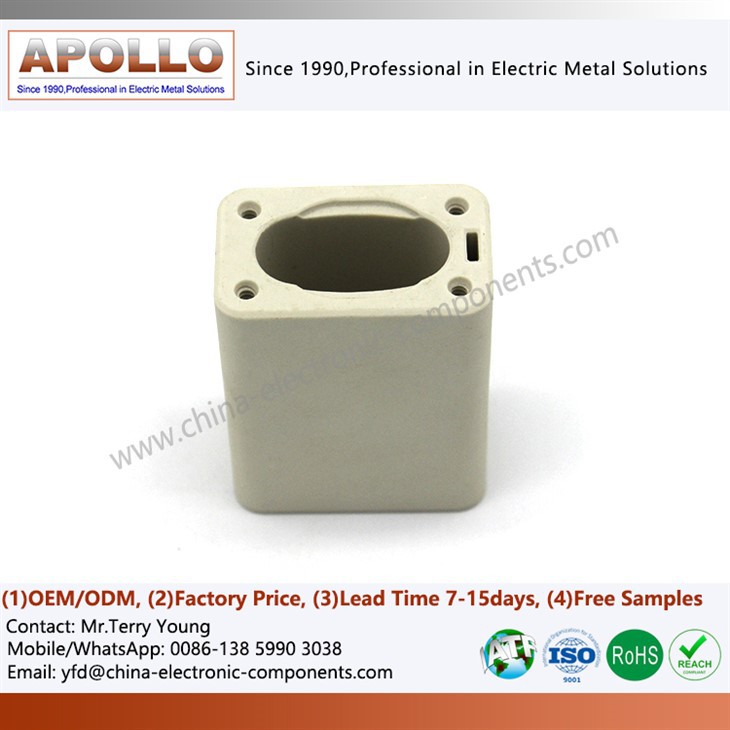
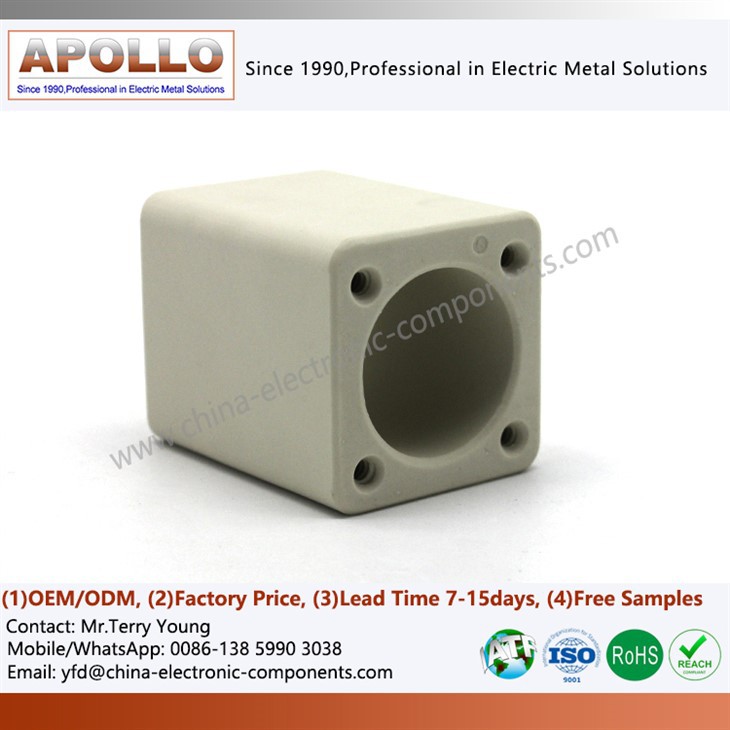
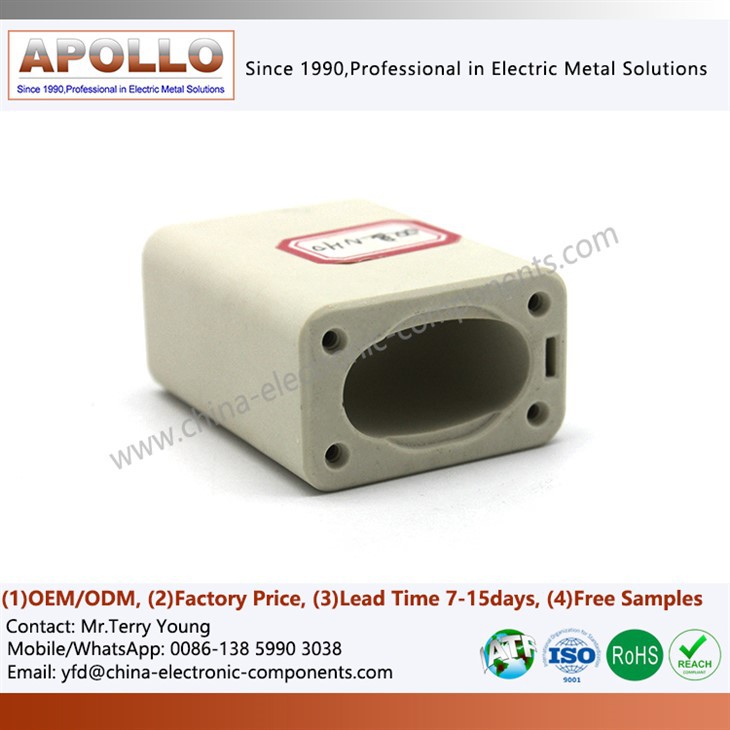
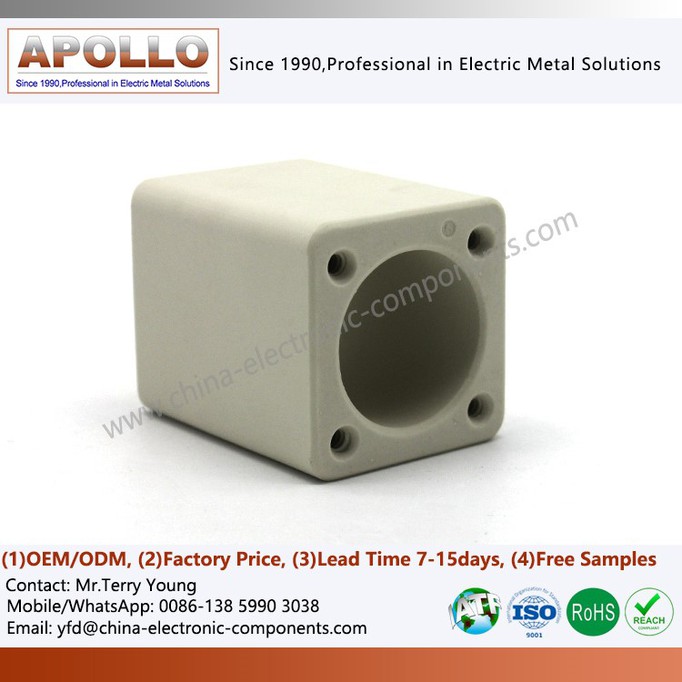
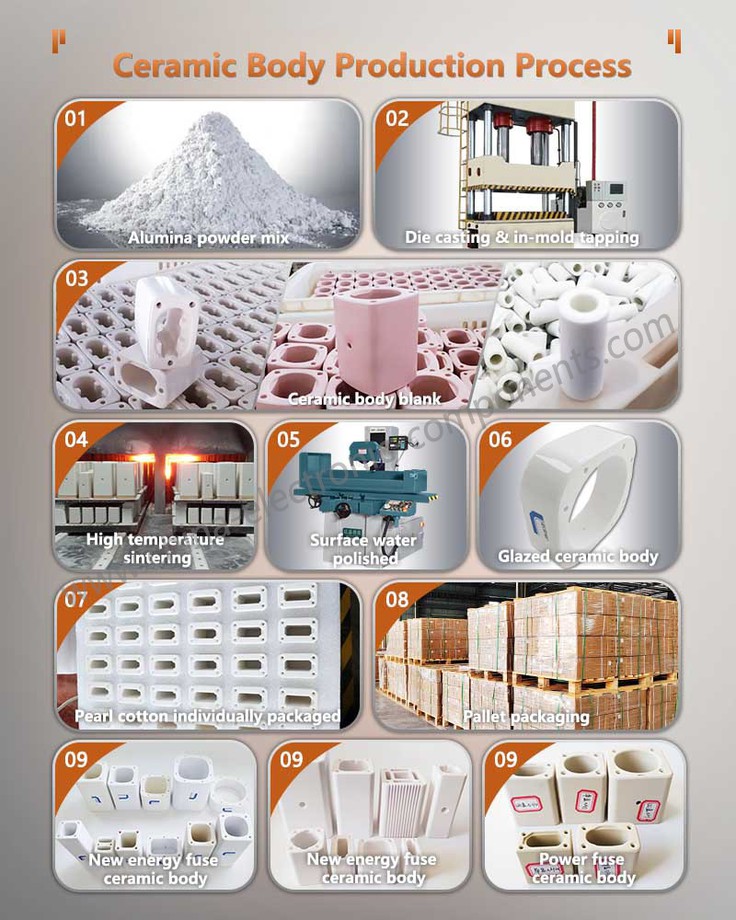
Ceramic Body For Auto Fuses are key insulation and structural support components used in traditional power fuses. Typically square or regular block-shaped, they carry the fusible element, fill with the arc-extinguishing medium, and provide electrical isolation. These ceramic bodies are not designed for new energy systems but are widely used in traditional applications such as industrial power distribution and low-voltage electrical protection. The product is sintered from high-performance ceramic materials and can be filled with high-purity silica sand (SiO₂ ≥ 99.5%), rapidly absorbing arc energy and effectively extinguishing the arc during short-circuit breaking. With excellent high-temperature resistance (maximum operating temperature 1200°C) and stable mechanical strength (flexural strength ≥ 300MPa), this product can operate stably for extended periods in harsh electrical environments.
Core Advantages and Competitive Advantages
Extreme Temperature Resistance and Impact Resistance
With a maximum operating temperature of 1200°C, Electrotechnical Ceramics maintains structural integrity under the high-temperature impact of arc discharge, with a bending strength ≥300 MPa, preventing breakage due to impact.
Ultra-High Insulation Performance
Volume resistivity ≥1×10¹⁴ Ω·cm, extremely high dielectric strength, Steatite Ceramic HRC Fuse Body providing unparalleled electrical isolation under high voltage (DC 1000V-1500V) conditions.
Extreme Environmental Adaptability
Din Type Steatite Ceramic HRC Fuse Body passed a 500-hour salt spray test, showed no cracks after temperature cycling (-40°C to +125°C), and has a water absorption rate ≤0.1%, remaining unaffected even in high humidity environments.
Detailed Specifications
Square Corner Regularity
After dry pressing, the corners of Alumina Ceramic Insulator for NH/Blade Type Fuses are completely filled, with no missing corners or chipped edges. After sintering, the corners remain regular and consistent with the mold design.
Inner Wall Smoothness
After sintering, the Din Type Steatite Ceramic HRC Fuse Body inner wall is smooth, free of cracks, pores, and melting defects. The inner cavity dimensions are uniform, ensuring smooth flow of quartz sand during filling.
End Face Flatness
The ground end face is flat, ensuring uniform force distribution when in contact with the metal cutting tool. Copper-tin alloy solder is uniformly wetted on the end face, forming an airtight seal.
Wall Thickness Uniformity
The wall thickness difference at different locations within the same Steatite Ceramic HRC Fuse Body shell is controlled within allowable limits, ensuring a uniform distribution of the shell's mechanical strength.

Material Properties/Advantages
Special Engineering Ceramic Materials: Electrotechnical Ceramics utilizing high-performance industrial ceramics based on high-purity oxides, processed with scientific formulation and techniques.
Key Performance Parameters:
Flexural Strength ≥ 300 MPa: Provides excellent bending and impact resistance for Steatite Ceramic HRC Fuse Body, ensuring durability under harsh working conditions and during assembly.
Water Absorption ≤ 0.1%: Extremely low water absorption of Din Type Steatite Ceramic HRC Fuse Body ensures long-term use in humid environments without degradation of insulation properties due to water absorption, avoiding the risk of leakage or insulation failure.
High Hardness and Abrasion Resistance: High surface hardness and scratch resistance, maintaining good appearance and dimensional integrity during assembly and use.
contact us
For accurate quotes on Ceramic Body For Auto Fuses, to request free samples, to inquire about customization details or testing, please feel free to contact us. Our professional technical team is available 24/7 to help you efficiently advance project procurement and implementation.

Hot Tags: ceramic body for auto fuses, China ceramic body for auto fuses manufacturers, suppliers, factory, Ceramic Body, Ceramic Body For EV Fuse, Ceramic Body For Fuse Bolted Series, Ceramic For DC Automotive Fuses, Energy Storage Fuse Ceramic Body, EV Fuse Ceramic Body
You Might Also Like


Send Inquiry