











In-Die Riveting in Metal Stamping
Products Description
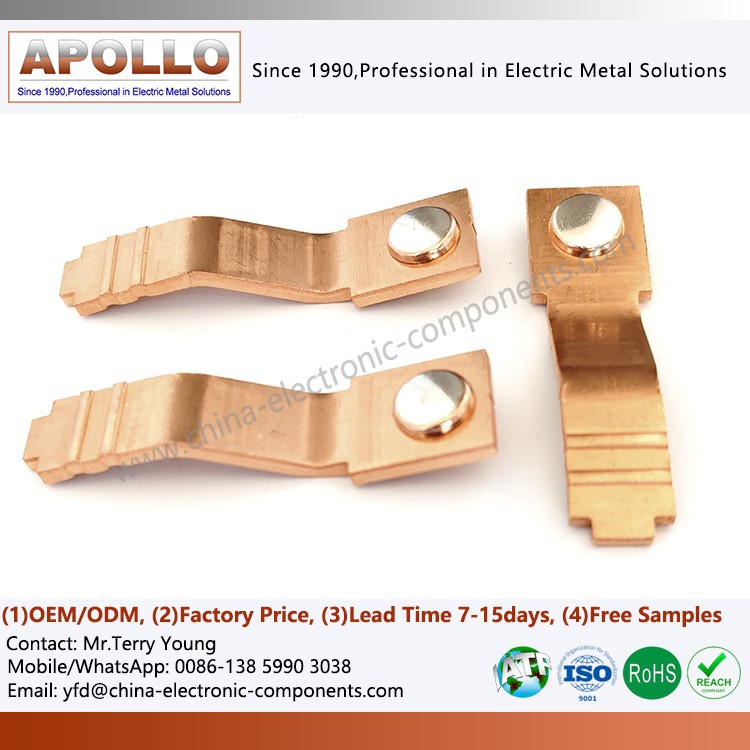
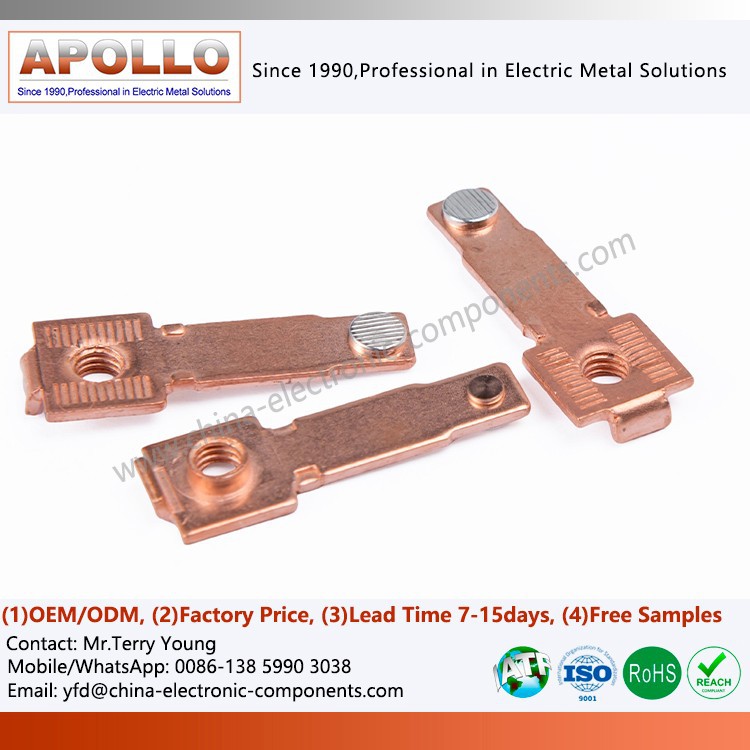
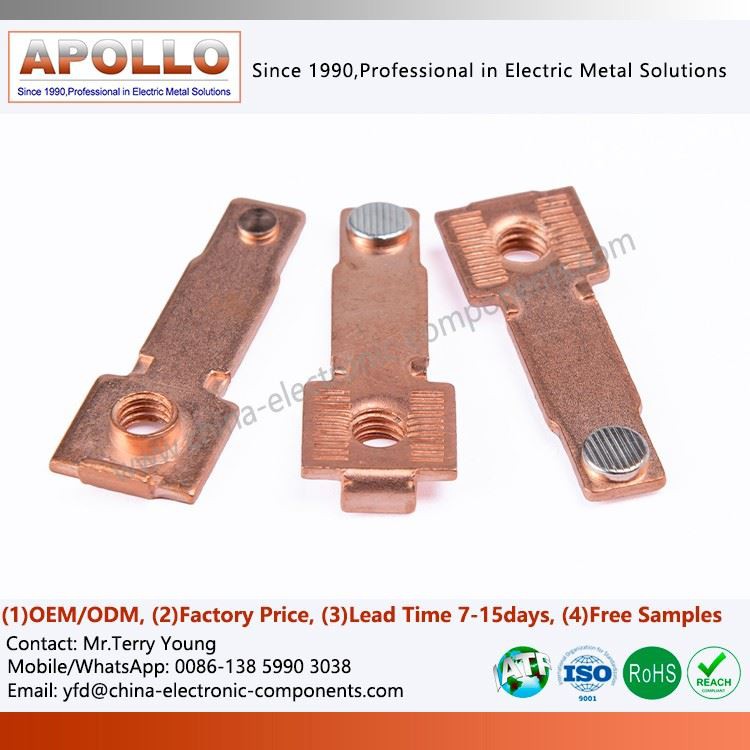
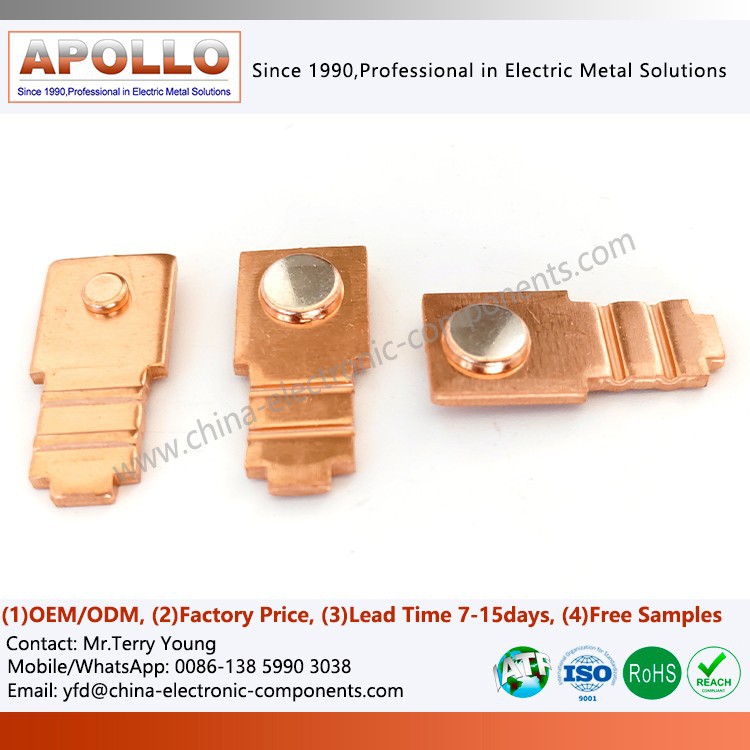
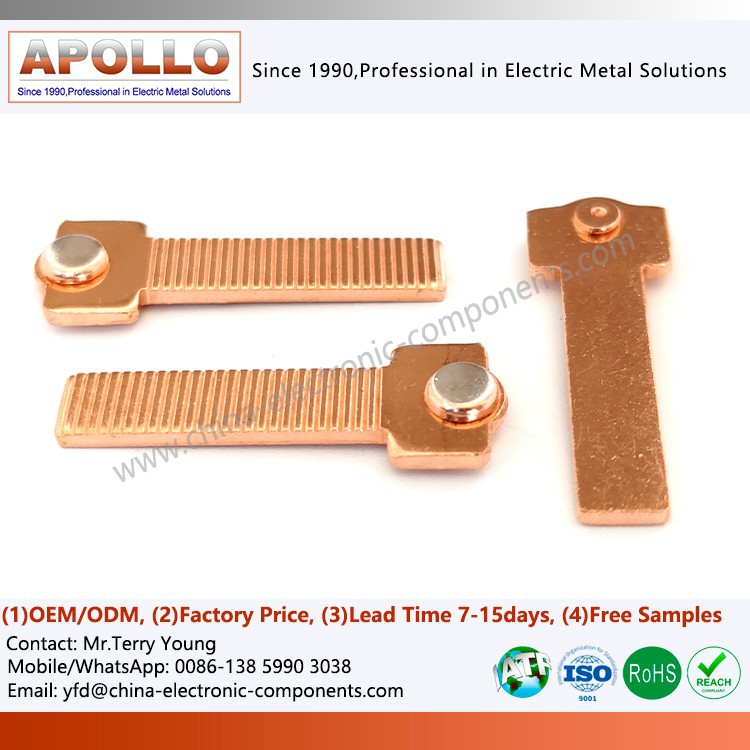
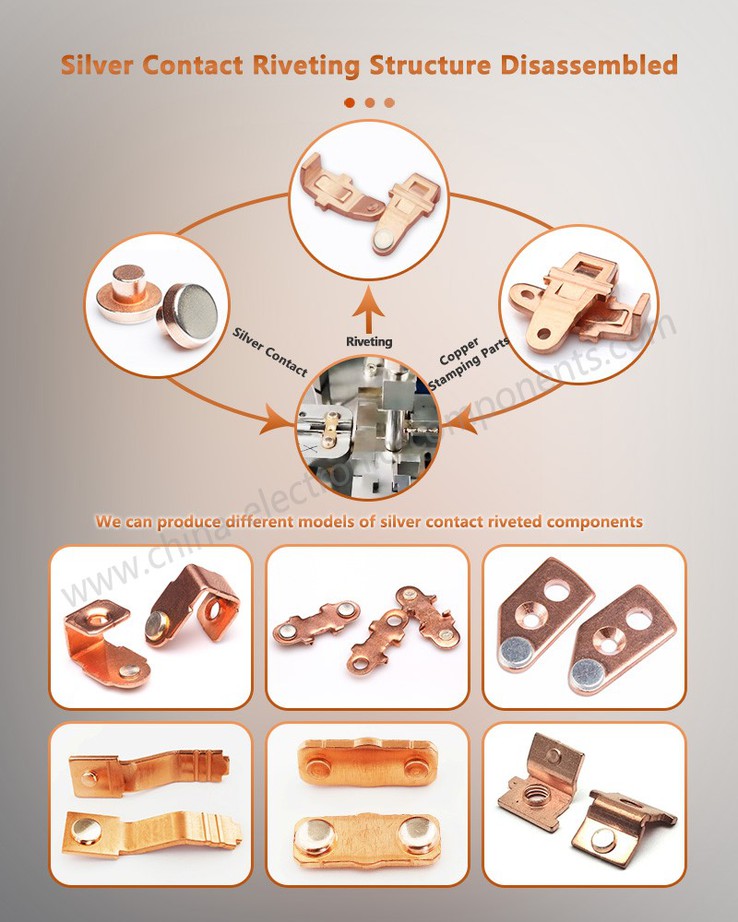
This In-Die Riveting in Metal Stamping is a composite conductive component manufactured using high-speed stamping technology. Its core structure includes:
High-conductivity copper substrate (terminals/connectors)
High-performance silver-based contacts (pure silver or alloy contacts)
Precision mechanical riveting interface (non-welded, non-adhesive)
Key features:
Integrated molding: Stamping and riveting are completed simultaneously.
Stable contact interface: Avoids the risk of cold solder joints and detachment.
Compact structure: Adapts to miniaturized electrical designs.
High consistency: Suitable for automated assembly systems.
Material Advantages: Ultimate Release of Bimetallic Performance
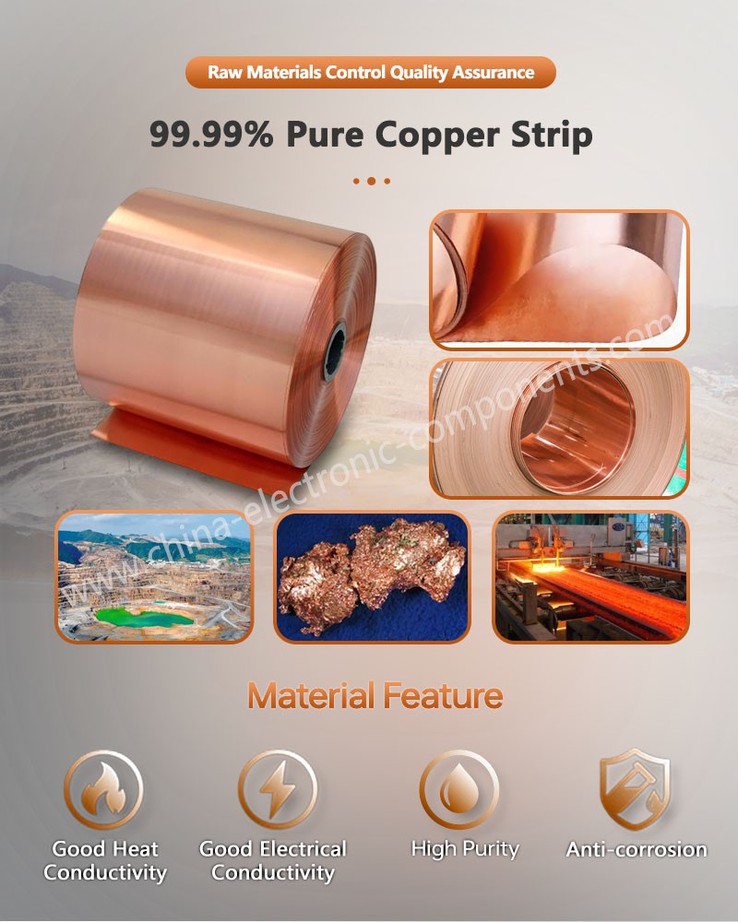
Copper Substrate (C1100/T2)
High-purity copper is selected to ensure excellent electrical conductivity (≥97% IACS) and thermal conductivity, effectively reducing the temperature rise of terminals under high current loads for Copper Contact Terminals.
Silver-Based Contacts (Ag, AgSnO2, AgNi)
Depending on the application scenario (inductive or capacitive load), various Silver Contact Riveted with copper terminal, such as pure silver, silver tin oxide, and silver nickel, are available. These materials possess excellent resistance to arc erosion, significantly extending the mechanical life of electrical switches.
Complementarity
Copper provides robust structural support and a heat dissipation path, while copper terminal with Silver contact ensure reliable electrical contact. The two are perfectly integrated through in-mold riveting.
Technical Features: Microsecond-Level Spatiotemporal Coordination within Progressive Dies
| A "Zero-Base" System Eliminating Cumulative Tolerances | In traditional processes, a stamped copper strip needs to be rewound, re-fed, punched, silver-pointed, and riveted on another machine. Each repositioning introduces an error of ±0.02mm or even larger. However, within progressive dies, the copper strip advances with the pitch as the absolute base, and punching and riveting occur simultaneously at the same die-closing instant. The positional accuracy of the Silver Electrical Riveted Components is entirely determined by the high-precision wire-cut die inserts, achieving micron-level "zero-cumulative tolerance." |
| Floating Riveting and Uniform Load Distribution Technology | Silver alloys are extremely fragile, and direct hard pressing easily generates internal microcracks. Our dies integrate "floating punches" with micron-level elastic stroke. In the final stage of riveting, the punch does not apply rigid pressure. Instead, through an internal spring or hydraulic structure, the axial force is evenly converted into radial compressive force, ensuring that the silver contacts are completely locked without internal damage. |
| Precision feeding with anisotropic vibration | How do the Copper Contact Elements fall accurately into the high-speed moving stamping die? We rely on a miniature electromagnetic vibratory feeder and a linear vibration track. Through precise calculation of frequency and amplitude, we achieve directional sorting and seamless feeding of the silver contacts under high-speed operation, forming perfect rhythm synchronization with the stamping press's SPM (strokes per minute). |
Application Advantages
Relay Stationary Terminals: In electromagnetic relays, the stationary contacts are fixed silver contact assemblies. In-mold riveting ensures the alignment of the stationary and moving contacts when closed, reducing contact bounce time and extending electrical life. For automotive relays (which need to withstand vibration and temperature cycling), the highly reliable anti-rotation design of in-mold riveting is particularly critical.
Wall Switch Moving/Stationary Contact Assemblies: Contact assemblies in rocker switches and high-current switches. Precision Riveted Silver Contact Switching Terminals need to withstand frequent switching and overload currents, making the solder resistance of silver contacts crucial. Our in-mold riveting process ensures consistent contact positioning across millions of switches, eliminating the need for manual contact height adjustments on the assembly line.
Contactor Main Contacts: The main contacts of AC and DC contactors carry tens to hundreds of amperes of current. In-mold riveting can be used to manufacture combinations of large-sized copper terminals and silver-based contacts, ensuring high pull-out strength through optimized riveting dimensions to withstand the powerful impact of contact closure.
Circuit breaker auxiliary contacts: Auxiliary switching components in miniature circuit breakers, with stringent requirements for spatial dimensions and assembly precision. In-mold riveting can control the total height tolerance of terminals and contacts within ±0.05mm, meeting the needs of automated assembly for Silver Electrical Contacts.

contact us
If you are looking for a more stable and consistent contact connection solution for relays or electrical connection systems, we can provide customized in-mold riveting design and mass production support based on your application conditions for the Silver Bimetal Rivet Stamping Part.
Hot Tags: in-die riveting in metal stamping, China in-die riveting in metal stamping manufacturers, suppliers, factory, Electrical Contact Riveted Copper, contact riveting assembly, Bimetal Electrical Contacts Rivets With Brass, Contact Riveted Components, Electrical Spring Contacts, Silver Contact Riveted Assembly
You Might Also Like


Send Inquiry