










What Is An Electrical Cabinet? Structure, Principles, And Core Technologies
May 22, 2026
Leave a message
Electrical cabinets and enclosures serve as the core foundational equipment for industrial power distribution and automation control systems. Widely deployed across diverse settings-including industrial manufacturing, building power infrastructure, and smart buildings-they are primarily categorized into two core types: power distribution cabinets and control cabinets. Power distribution cabinets focus on the allocation and transmission of electrical energy, while control cabinets are responsible for the logical control and parameter regulation of equipment operations. Through standardized structural designs and component layouts, these various electrical cabinets and enclosures ensure the stable, safe, and orderly operation of power systems, acting as indispensable key conduits within any electrical infrastructure.
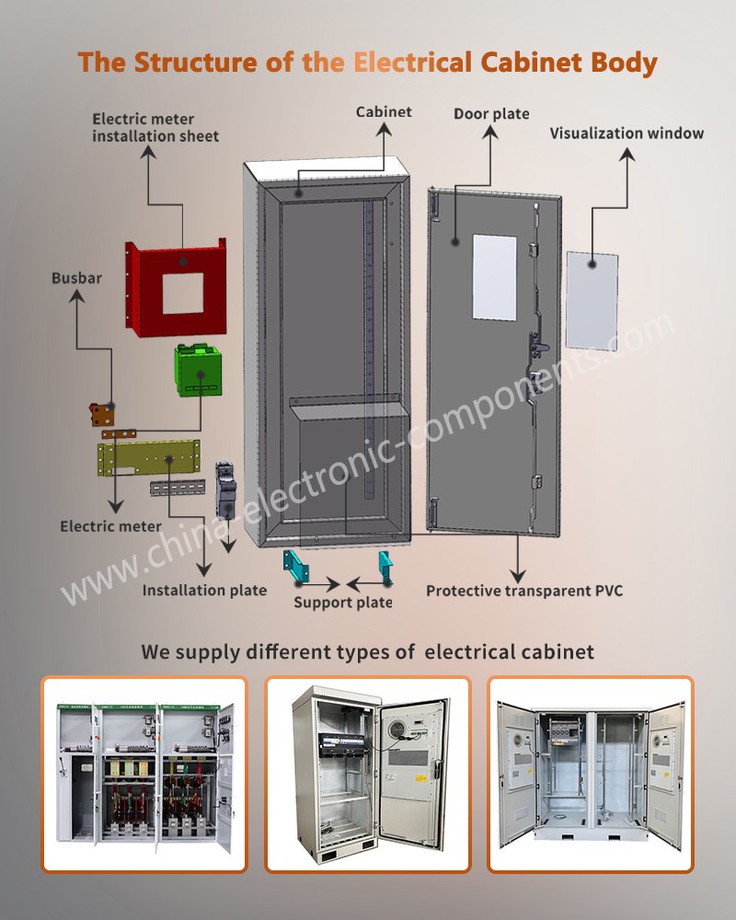
From a structural perspective, a metal electrical cabinet typically comprises an outer enclosure, a supporting steel framework, specialized mounting plates, and various electrical components. Internally, the design employs a compartmentalized isolation scheme, featuring distinct zones such as busbar compartments, component compartments, and outgoing feeder compartments. This scientifically engineered compartmental layout effectively mitigates the impact of electrical arcs, isolates heat transfer, and prevents mutual interference between components, thereby significantly enhancing operational safety. Most standard metal electrical cabinets adhere to these structural design principles, making them suitable for a wide range of indoor and outdoor power distribution applications.
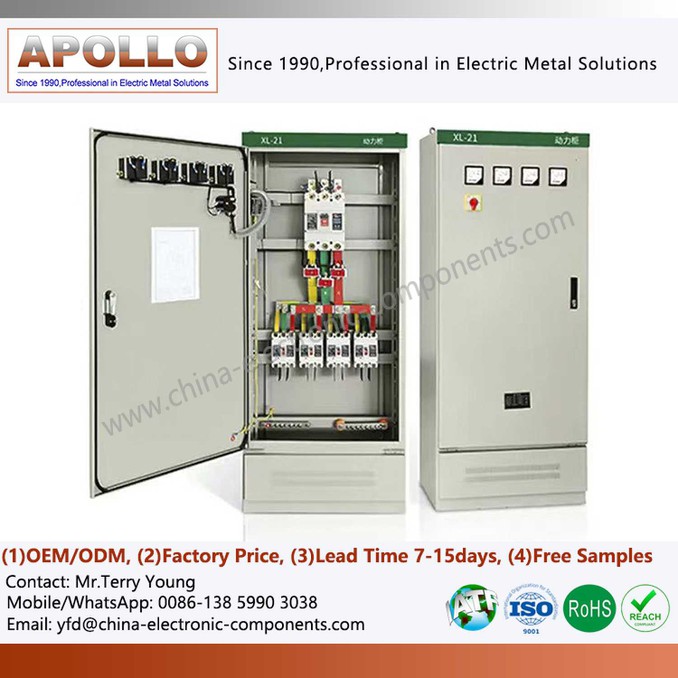
The circuitry of a switching cabinet system can be broadly categorized into two major subsystems: the primary circuit and the secondary circuit. These two types of circuits have distinct functions yet operate in close coordination. The primary circuit-also known as the main circuit-is primarily responsible for the transmission of electrical energy and power control functions; the secondary circuit, serving as the control circuit, handles measurement, data acquisition, signal amplification, data exchange, and device display. By leveraging this dual-circuit architecture, the switching cabinet achieves the integration of power transmission and intelligent control, establishing itself as the dominant form of equipment in industrial electrical control systems.
Within the primary circuit's component ecosystem, components can be classified into active and passive categories based on their functional characteristics. When a short-circuit fault occurs, only circuit breakers and fuses possess the capability to rapidly interrupt the short-circuit current; these are therefore defined as active protective components. Conversely, components such as busbars, terminal blocks, and standard power apparatus-which cannot independently interrupt fault currents-are classified as passive components. Specialized fuse cabinets are designed to capitalize on the core protective characteristics of fuses, offering targeted protection against short-circuit and overload faults within the circuit.
A short-circuit fault subjects an electrical enclosure cabinet to a dual impact: electromechanical stress and thermal stress. This brings to the fore a critical technical metric: dynamic and thermal stability. When a short-circuit current flows through the busbar system, it generates immense electromechanical forces-ranging from several tons to over ten tons-which can easily cause the cabinet structure to deform or even disintegrate. Simultaneously, the instantaneous surge in temperature can scorch both the internal components and the cabinet structure itself; thus, the dynamic and thermal stability performance of an electrical enclosure cabinet directly determines its capacity to withstand short-circuit faults.
The core protective logic for primary circuit components centers on overcurrent protection, which primarily encompasses two major modules: overload protection and short-circuit protection. The design of this protective mechanism does not exist in isolation; rather, it is inextricably linked to the overall architecture of the power distribution system, the grid grounding scheme, the specific load conditions of the equipment, and the specifications of the associated cabling. It serves as a pivotal element in ensuring the stability of the entire power distribution system. For outdoor applications, outdoor electrical cabinets require the optimization of overcurrent protection parameters-taking into account complex environmental variables-to ensure adaptability across the diverse and variable operating scenarios encountered in outdoor settings.
Temperature rise is a critical technical metric used to evaluate the operational performance of an electronic control cabinet, as it directly impacts both the service life and the operational safety of the equipment. "Temperature rise" is defined as the differential between the operating temperature of the power distribution equipment and the ambient temperature of its surroundings; every model of electronic control cabinet is designed with a specific, fixed limit for this permissible temperature rise. Should temperature rise exceed permissible limits, it can lead to component aging and damage, as well as insulation failure; furthermore, it poses a risk of burns from high surface temperatures on the cabinet enclosure. Consequently, outdoor weatherproof enclosure cabinets feature optimized heat dissipation structures designed to strictly control temperature rise-even in high-temperature environments.
The control systems within modern electronic cabinets are increasingly trending toward intelligence and integration, extending far beyond basic circuit control. Functions such as equipment commissioning and decommissioning, motor start-stop operations, regulation of backup generators, and the acquisition of distributed electrical parameters are now largely facilitated by PLC control systems. PLCs are capable of independently executing tasks ranging from equipment operation and data management to information exchange and human-machine interaction; moreover, they can interface with DCS, smart building management, and fire monitoring systems. Through the integration of intelligent modules, these electronic cabinets enable the automated and precision-controlled management of electrical systems.
Finally, national standards and industry regulations serve as the fundamental guidelines for the design, manufacturing, and operation and maintenance of electrical cabinets. Electrical cabinets are subject to explicit regulatory requirements regarding type testing, structural design, protection ratings, and safety standards; adherence to these mandates is crucial for ensuring stable equipment operation and achieving market compliance. Consequently, the production and acceptance of all types of enclosures-including stainless steel electrical cabinets-must strictly adhere to established industry standards.
For precise selection, design, and commissioning solutions for MCC electrical cabinets tailored to specific operating conditions, we invite you to consult with our professional technical team. By integrating your specific operational requirements, regulatory standards, and intelligent system needs, we can develop customized solutions that comprehensively safeguard the safety and stability of your electrical systems.
contact us
Send Inquiry