










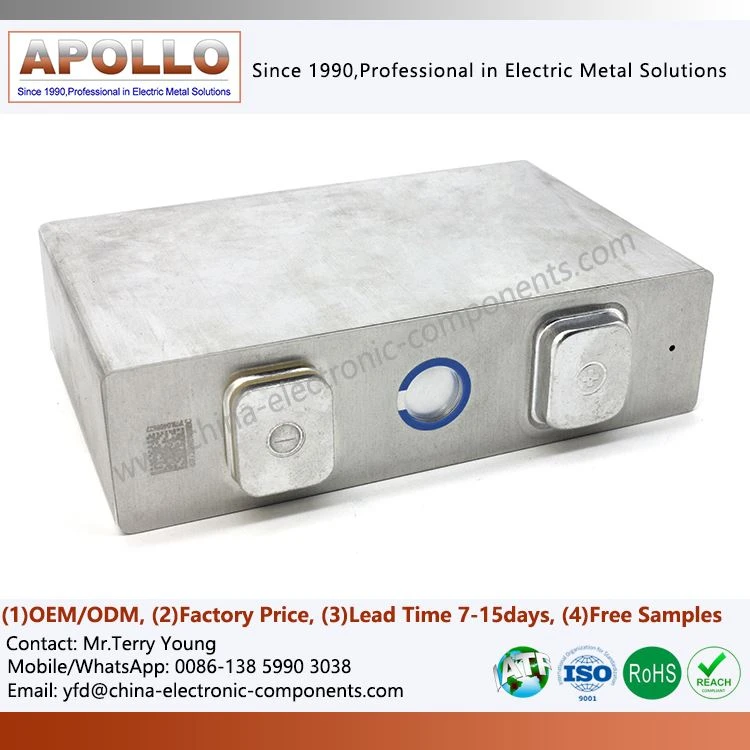
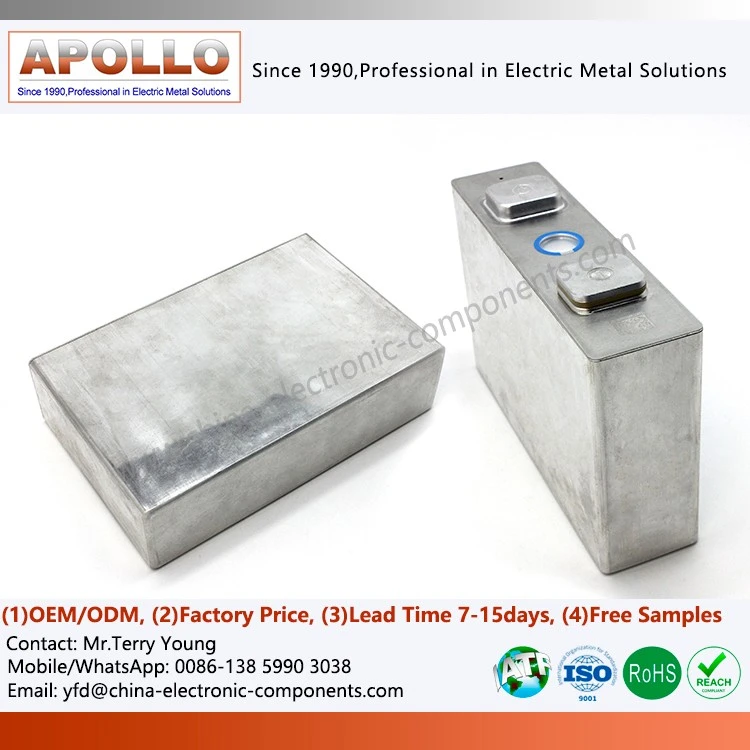
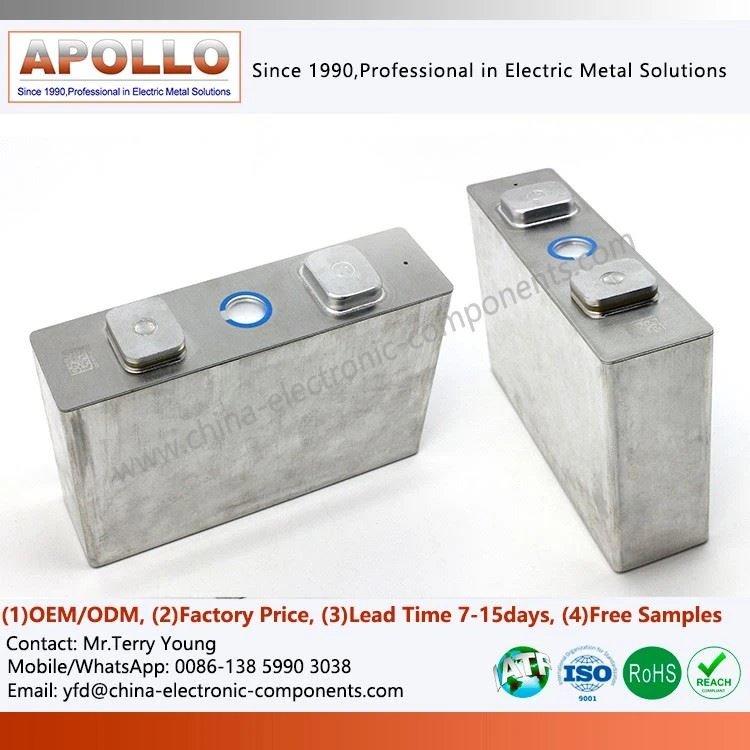
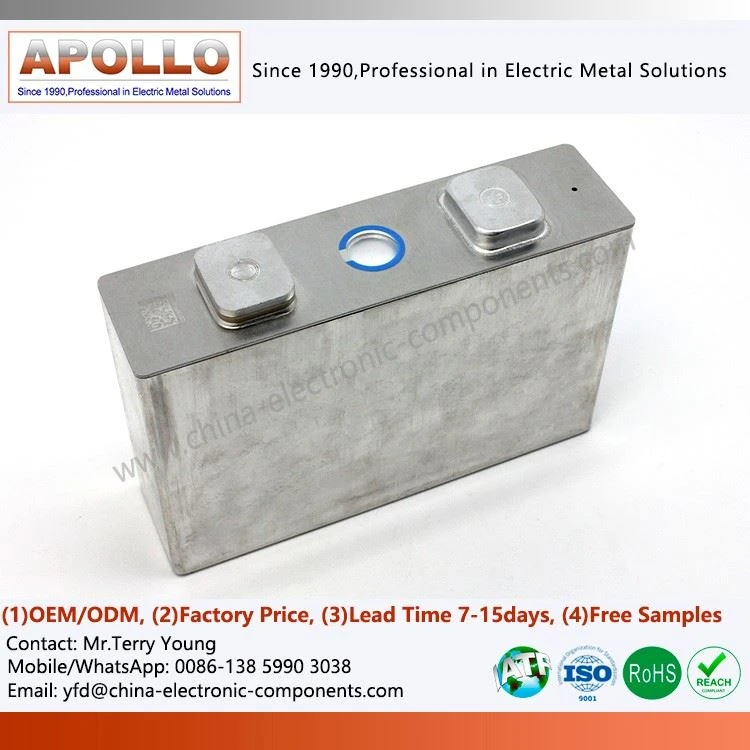

Prismatic Aluminum Case Power Battery
what is the Prismatic Aluminum Case Power Battery?
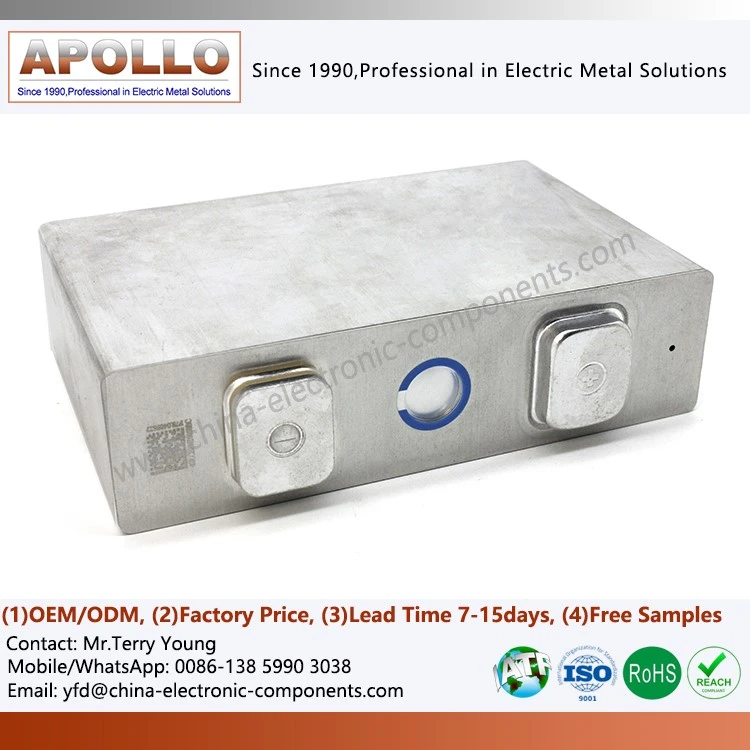
Prismatic Aluminum Case Power Battery is primarily used for packaging square/prismatic battery cells, offering higher volume utilization and system integration efficiency compared to cylindrical and pouch structures. This product underwent systematic optimization during the design phase, focusing on cell safety, module assembly, and compatibility with automated production lines.
Core structural features include:
One-piece stretched or deep-drawn housing reduces weld seams and structural weaknesses.
Partially designed housing wall thickness, balancing strength and weight control.
Optimized rounded corners, reducing stress concentration and cracking risk.
Highly consistent internal cavity dimensions, ensuring stability during cell stacking and electrolyte injection processes.
This type of aluminum housing is suitable for high-standard, high-volume applications, particularly for power and energy storage projects with stringent requirements for consistency and yield.
Design and Functional Advantages: Born for Engineers
Structural Design and Explosion-Proof Safety
The fit tolerance between the prismatic aluminum shell cover and the shell is central to our design. We employ precise tolerances to ensure an IP68 airtightness rating after laser welding. Simultaneously, we've incorporated pre-designed mounting positions or grooves for explosion-proof valves in the cover design. When an abnormal reaction occurs inside the cell, causing a sudden pressure surge, the explosion-proof valve can precisely open at the set pressure, achieving directional pressure relief and preventing battery explosion.
Thermal Management Optimization
Aluminum is lightweight, soft, and has excellent thermal conductivity, but we also considered the coefficient of thermal expansion (CTE) of different alloys. During the design phase, we fully considered the thermal compatibility between the shell, electrode posts, and spacer materials to ensure that during high and low temperature cycling from -40℃ to 85℃, the connections will not develop gaps or loosen due to thermal expansion and contraction, preventing electrolyte leakage.
Lightweight Design and Energy Density
While ensuring strength, we optimized the shell wall thickness to the extreme. Compared to traditional steel casings, our aluminum casing solution can reduce the overall weight of the battery pack by approximately 20%-30%. For electric vehicles and portable energy storage devices, this translates to a significant increase in the vehicle's driving range without adding weight.
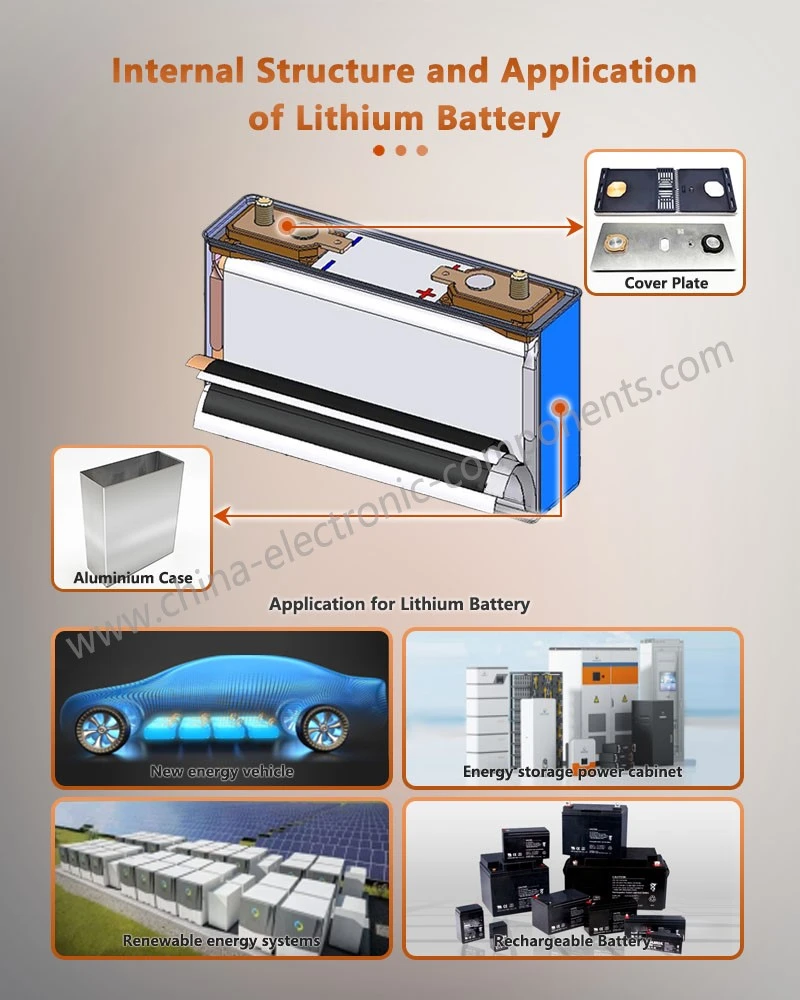
Detailed Design Showcase
Sealing Design
The connection between the outer Aluminum shell for lithium iron phosphate prismatic cells and the cover uses a stepped sealing structure, combined with a special sealant, to improve airtightness and waterproofing, suitable for humid and outdoor environments
Assembly Design
Pre-drilled positioning pin holes and bolt fixing positions ensure accurate positioning and secure assembly of the outer shell during lithium power cell Aluminum shell integration, reducing assembly errors
Corner Design
Full circumferential, rounded corners with precise radius control enhance safety and facilitate gripping and operation by automated assembly equipment
Identification Design
A clear nameplate area is provided, which can be etched with cell lithium battery Aluminum shell model, material grade, and production batch according to customer needs, facilitating traceability and management

Materials DNA: The Engineering Philosophy of Alloy Grades
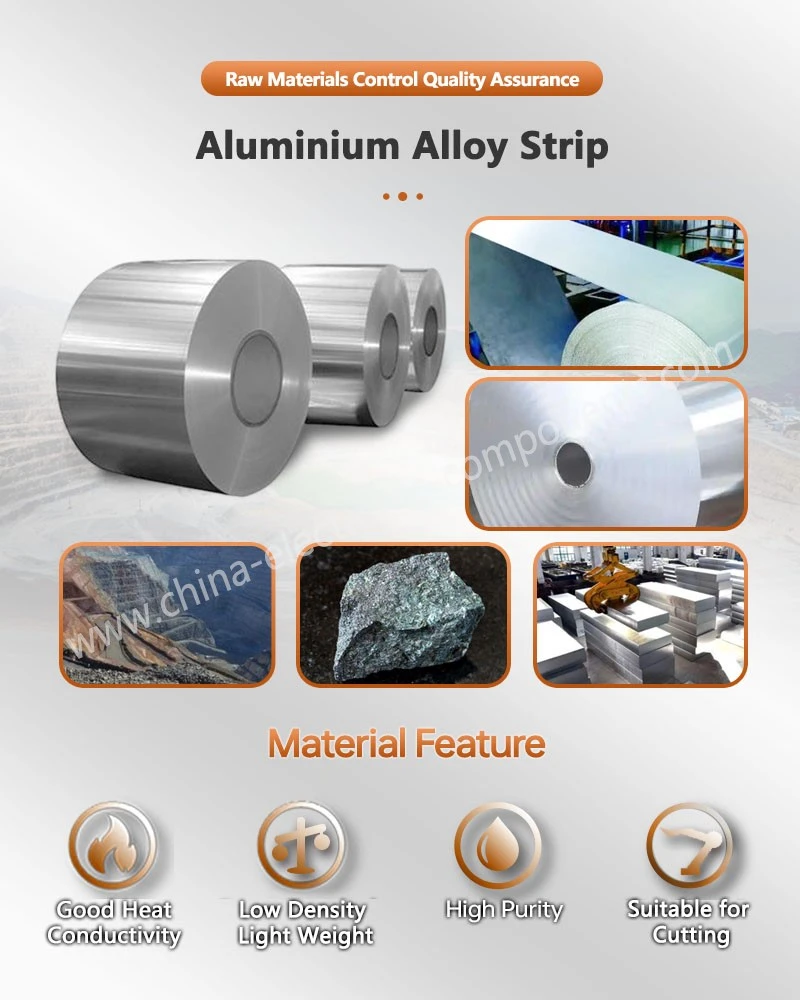
The selection of materials for power battery casings is essentially an art of trade-offs under the coupling of multiple physical fields. 3003-H14, as a representative of Al-Mn alloys, has its manganese content controlled within the range of 1.0-1.5%, forming dispersed Al6Mn second-phase particles, endowing the material with excellent resistance to intergranular corrosion and moderate strength. The semi-hardening treatment in the H14 state, through control of the cold rolling reduction rate and annealing temperature, achieves the golden balance required for deep drawing of battery casings between tensile strength (140-180MPa) and elongation (≥8%)-ensuring both the integral formability of complex cavities and maintaining structural rigidity after assembly.
AL1060 pure aluminum (aluminum content ≥99.6%) serves thermal management scenarios with extremely high requirements for electrical and thermal conductivity, boasting a thermal conductivity as high as 234 W/(m·K), making it an ideal carrier for module-level heat dissipation channels. AL5052 (Al-Mg system), with its 2.2-2.8% magnesium content, exhibits excellent resistance to stress corrosion cracking in marine environments or high-humidity applications. AL6061 (Al-Mg-Si system), through age-hardening of the Mg2Si phase, increases its yield strength to over 276 MPa, making it suitable for bottom plates or structural reinforcements that need to withstand high mechanical loads. This multi-grade matrix is not a simple material stacking, but a material gene matching strategy based on the cell chemistry system, operating environment, and life cycle cost.
contact us
Submit your dimensional drawings right away for verified factory pricing on prismatic aluminum case power battery with material grade validation.
Hot Tags: Lithium Cell Aluminum Shell, OEM Battery Aluminum Housing, EV Battery Shell, Energy Storage Battery Case, Deep‑Drawn Aluminum Can, 3003‑H14 Aluminum Case, Prismatic Cell Enclosure, Custom Battery Casing, Ev Car Battery Shell, Lithium Cell Aluminum Shell, Aluminum Battery Cases, Battery Aluminum Cases, aluminum battery case, 3003 H14 Aluminum Case
You Might Also Like


Send Inquiry