




Lithium Ion Battery Case
What is a Lithium Ion Battery Case?
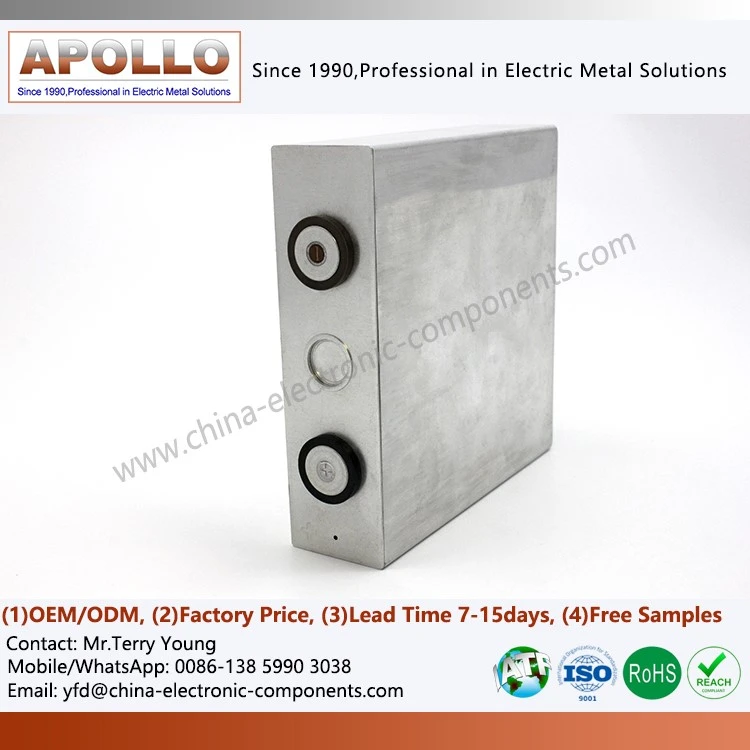
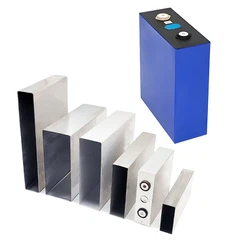
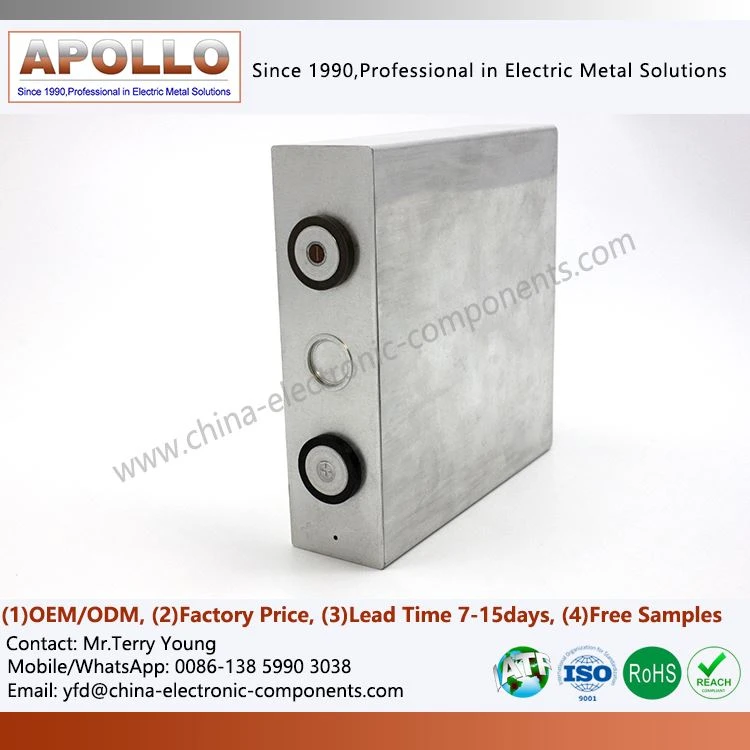
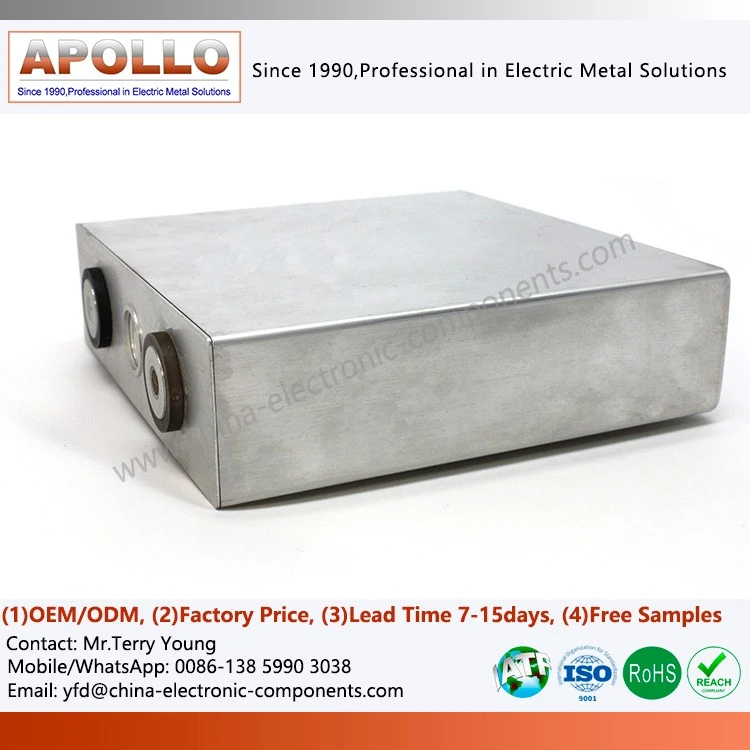
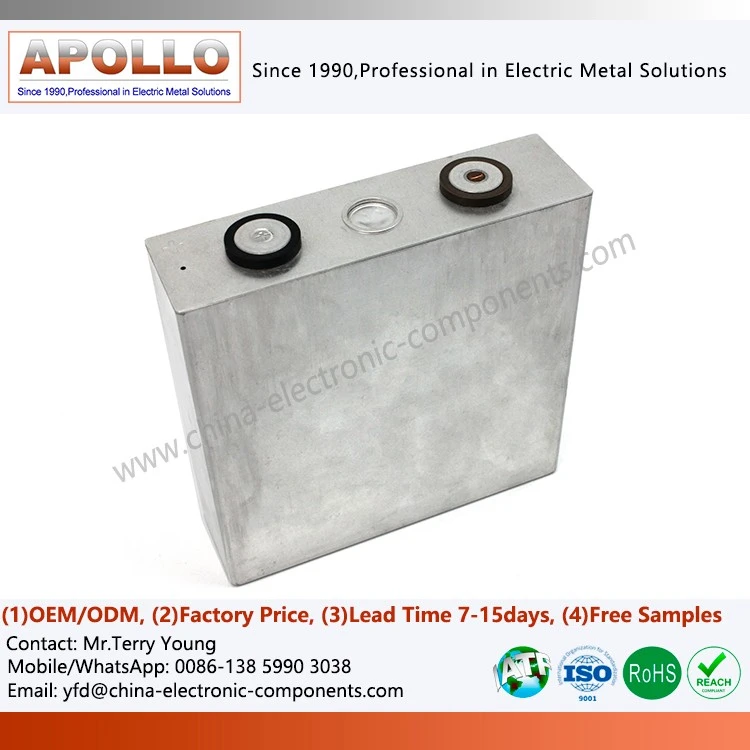
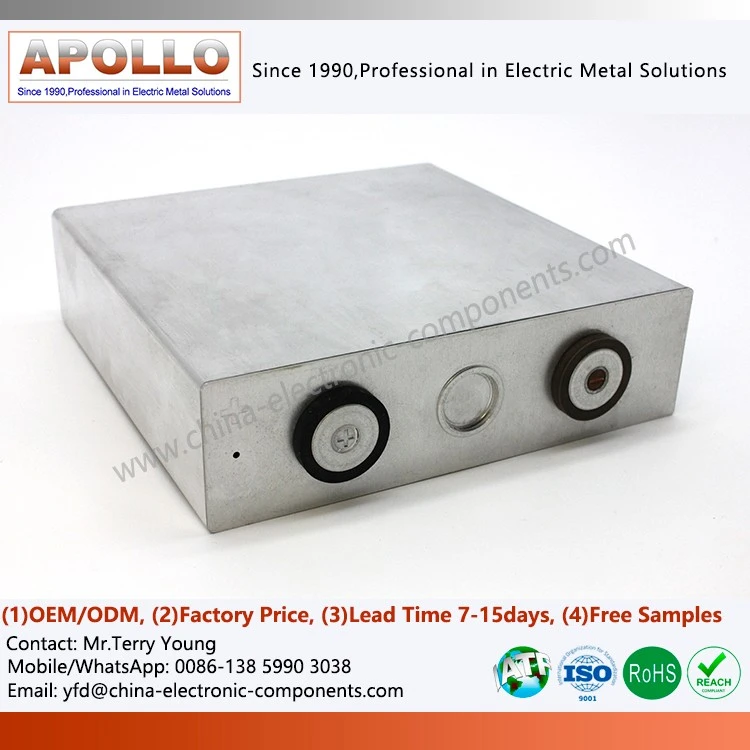
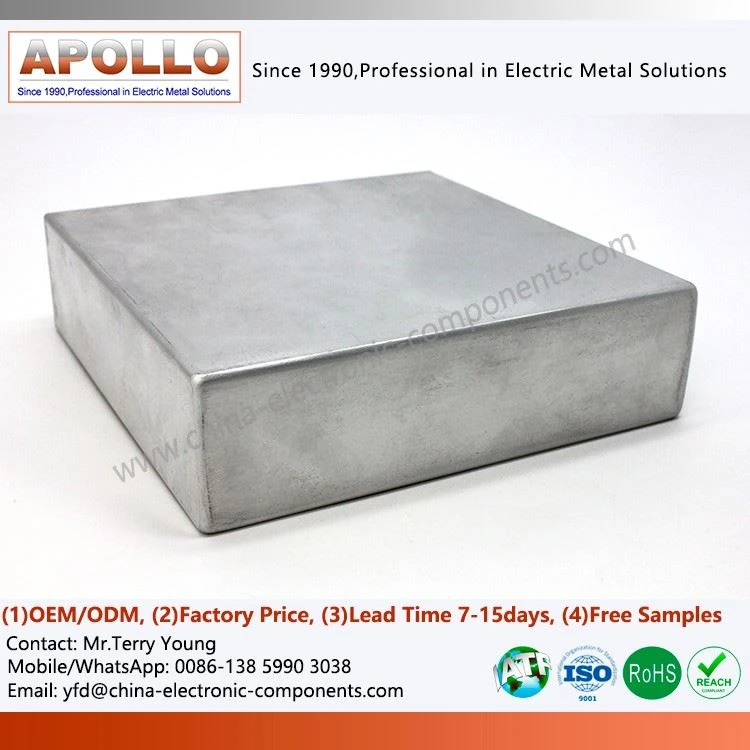
A Lithium Ion Battery Case is, in essence, a precision-engineered metal structural component. Its value does not hinge on any single parameter, but rather on its ability to achieve a balance across multiple performance dimensions:
Structural Integrity: Formed as a single piece via a deep-drawing process and sealed with a laser-welded top cover, the casing creates a fully enclosed chamber that provides the battery cell with a chemically stable environment, isolated from the outside world.
Geometric Regularity: The prismatic shape allows for a highly organized, uniform arrangement, enabling exceptional space utilization at the module level-an engineering advantage that cylindrical or pouch-type battery designs struggle to match.
Mechanical Load-Bearing Capacity: The aluminum alloy casing must withstand internal pressure fluctuations and expansion stresses during charge-discharge cycles, while simultaneously resisting external forces such as compression, vibration, and impact from drops; it serves as the first line of defense in the battery cell's safety chain.
Verifiability: Its metallic composition facilitates various in-line inspection methods-such as helium leak testing, machine vision, and pressure testing-ensuring that the quality status of every individual casing is both traceable and quantifiable.
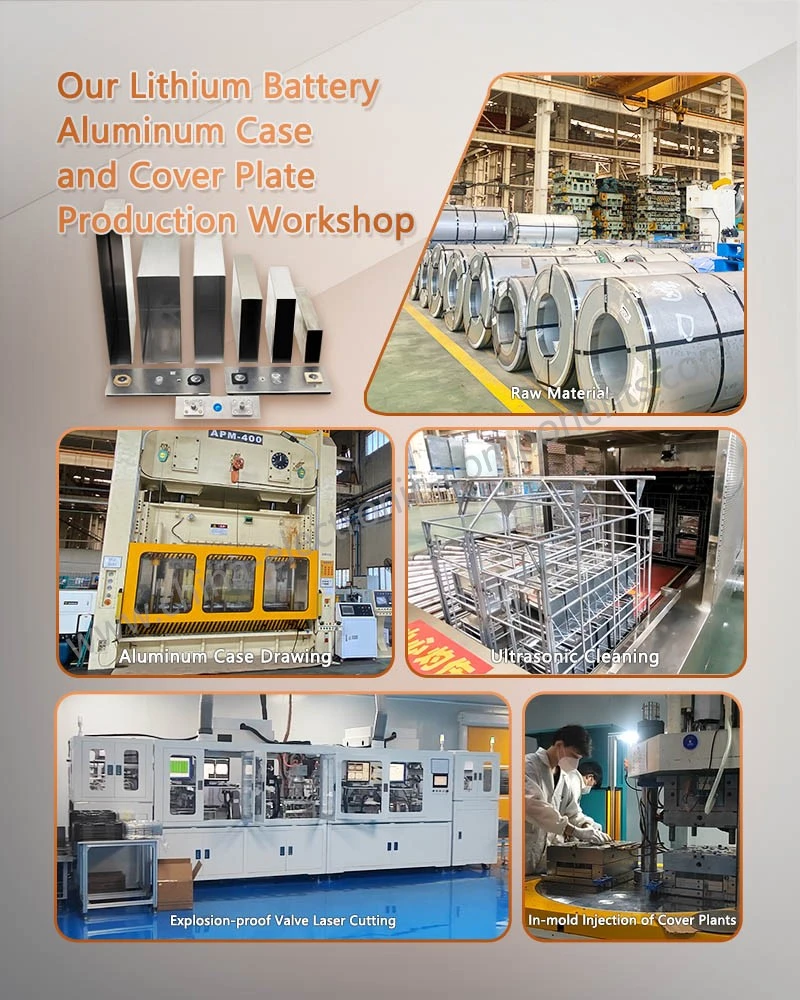
Manufacturing Process for Aluminum Case for Li-ion Electric Bike Battery Pack: A Controlled Chain from Strip Material to Finished Product
Structural Review and Die Development
Based on customer drawings, we conduct forming process simulations and die design, determining the number of drawing stages, corner radii, and trimming strategies.
Stamping and Deep Drawing
Multi-stage forming is used to control wall thickness distribution and springback, ensuring a stable housing profile.
Trimming, Deburring, and Sizing
Sharp edges and stress concentrations are eliminated to provide clean surfaces for subsequent welding and assembly.
Laser Welding and Structural Assembly
Housing components requiring assembly are joined via precision laser welding, with careful control over heat input and deformation.
Cleaning, Passivation, and Surface Treatment
Oils and residues are removed to enhance corrosion resistance and ensure surface uniformity.
Assembly of Insulation and Sealing Components
Assembly is performed in a controlled environment to prevent contamination by foreign objects or damage caused during handling.
Key Functions for lithium prismatic cells Aluminum shell
Electrochemical Isolation
Blocks external moisture, oxygen, and dust, maintaining a stable chemical environment within the battery cell.
01
Mechanical Protection
Withstands stresses from module assembly, vibrations, and external impacts.
02
Thermal Conduction Path
Leverages the high thermal conductivity of aluminum alloy to rapidly dissipate heat from within the battery cell, in conjunction with the module's liquid or air-cooling systems.
03
Explosion-Proof Pressure Relief
Works in tandem with the top-cover explosion-proof mechanism to facilitate pressure relief along a designed path during abnormal operating conditions, helping to contain the spread of thermal runaway.
04
Structural Support
Serves as a structural component of the module, contributing to its overall rigidity.
05

Frequently Asked Questions for Aluminum Shell for Lithium-Ion Prismatic Cells
Q1: How should one choose between an aluminum casing and a steel casing for prismatic cells?
-
The decision hinges on three weighted factors: weight and thermal conductivity, strength and cost, and process compatibility. Aluminum casings excel in terms of weight reduction and heat dissipation, making them ideal for high-rate discharge, fast-charging, and weight-sensitive applications. Steel casings remain relevant where extreme strength is required or based on specific cost-structure considerations. In engineering practice, the typical approach is to first determine the direction based on the cell chemistry and thermal management strategy, before addressing specific design nuances.
Q2: Can casing dimensions, wall thickness, and the activation pressure for explosion-proof features be customized?
-
Yes. We adjust the structural design and wall thickness distribution based on your cell blueprints. The geometry of the explosion-proof score line and the residual wall thickness can be engineered to meet your target activation pressure range. To initiate customization, please provide the cell dimensions, cover plate design, internal pressure operating conditions, and surface treatment requirements. We will conduct a structural feasibility assessment before proceeding to the prototyping stage.
Q3: What purpose does the external insulation coating serve?
-
It serves three main functions: providing electrical insulation between the casing and the module structure, ensuring long-term resistance to electrolytes and heat/humidity, and offering wear protection during assembly and vibration. This is also a process-related matter-if the surface pretreatment and curing parameters are not strictly controlled, the coating's adhesion may degrade over time during long-term use.
Q4: What quality documentation is provided for mass-production deliveries?
-
Typically, this includes material certificates, dimensional inspection reports, airtightness (leak) test records, coating performance data, and cleanliness records-all linked to specific batch QR codes. For projects requiring PPAP-level documentation or First Article Inspection (FAI) reports, the specific list of deliverables can be confirmed during the project kickoff phase.
Q5: How is the transition from prototyping to mass production managed?
-
The prototyping phase is used to validate structural and process feasibility, while the mass-production phase focuses on ensuring consistency and production throughput. We carry over the tooling status, process parameter windows, and inspection baselines established during prototyping directly into mass production. This helps mitigate the common discrepancy where "samples pass, but mass-produced units show performance drift."

contact us
With core strengths in engineering collaboration and manufacturing stability, we support our clients throughout the entire process-from enclosure design evaluation and process validation to stable, full-scale production. For further information regarding specific specification compatibility, customization feasibility, or technical parameters, please submit your requirements via our inquiry page, and our engineering team will respond promptly for lithium power cell Aluminum shell.

Hot Tags: Lithium Ion Battery Case, Prismatic Lithium Battery Case, Aluminum Battery Case, Prismatic Battery Aluminum Housing, Lithium Battery Aluminum Enclosure
You Might Also Like


Send Inquiry