










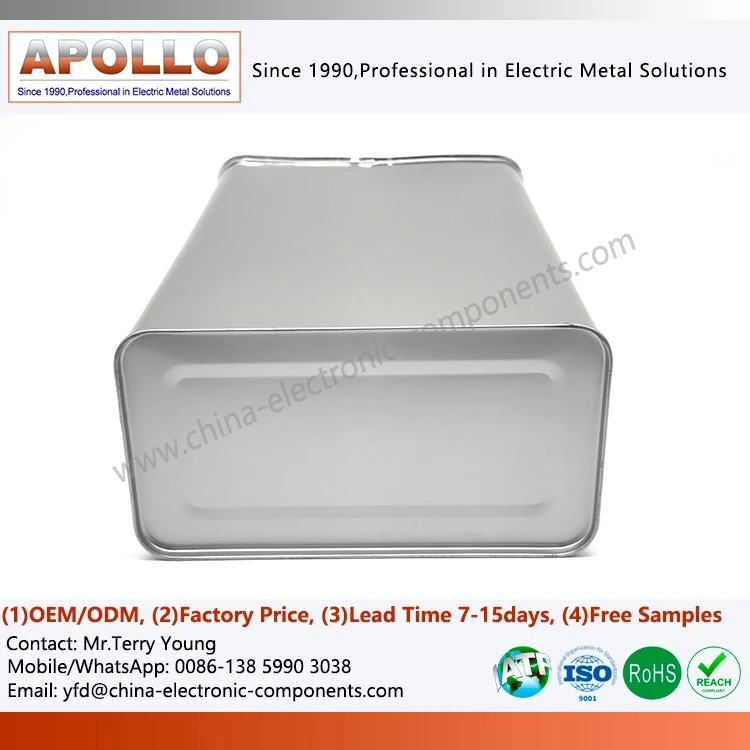
Li Cell Aluminum Shell
Products Description
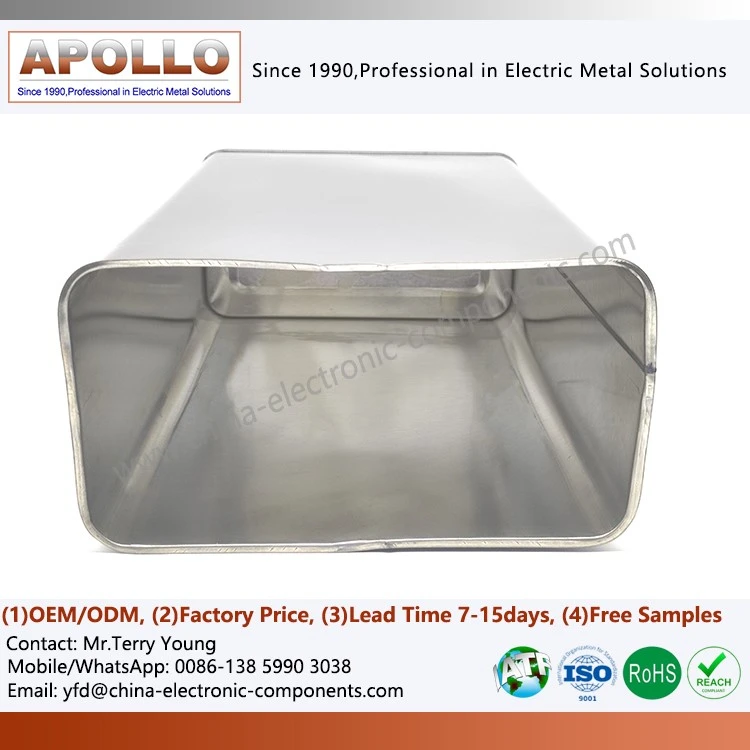
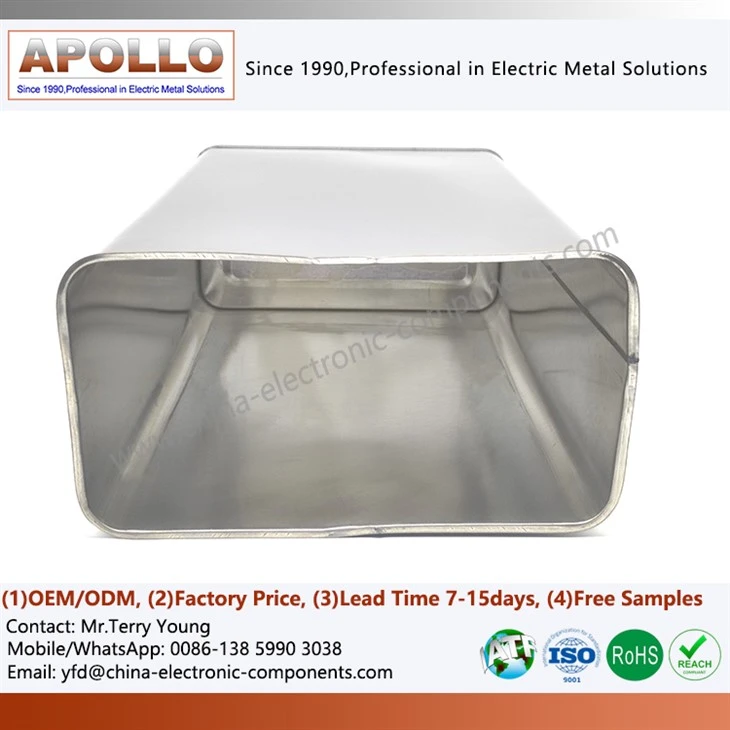
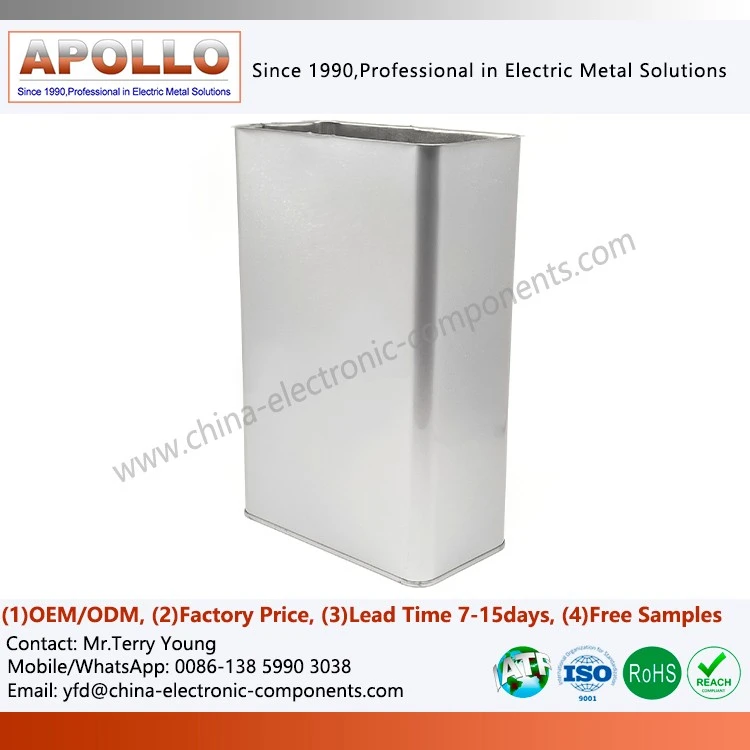
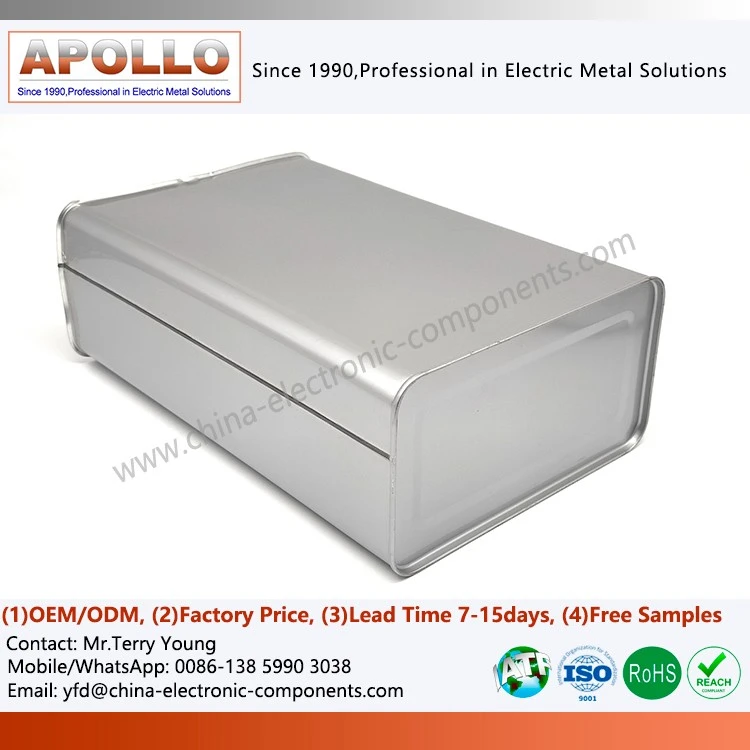
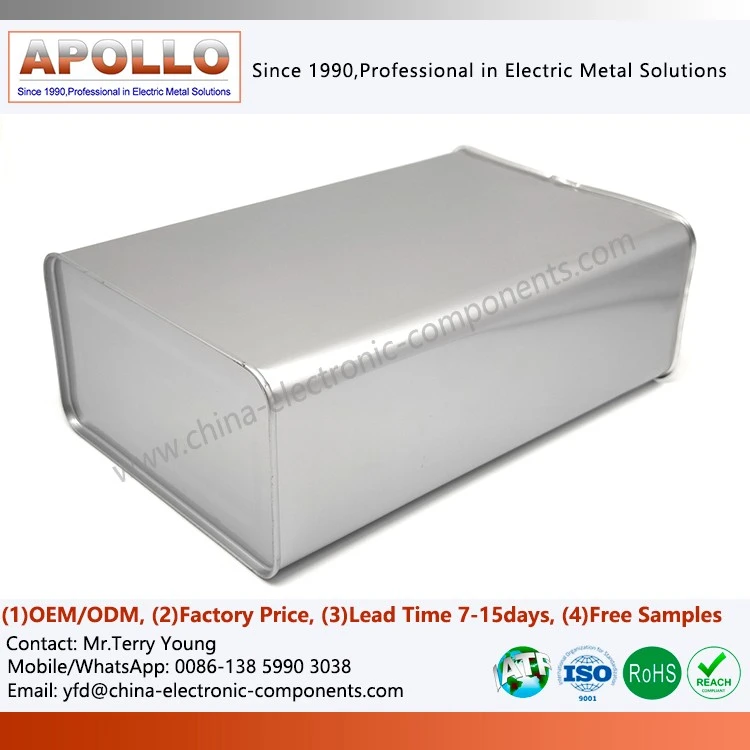
The Li Cell Aluminum Shell is a thin-walled metal enclosure designed specifically for prismatic cells and manufactured from aluminum alloy via precision deep-drawing or extrusion. Serving as a physical barrier between the cell's internal electrochemical system and the external environment, it performs multiple functions-including mechanical support, heat conduction, electrical insulation, and safety pressure relief. As a fundamental component ensuring structural integrity, thermal management efficiency, and long-term safe operation, it is widely used in applications such as electric vehicles, energy storage systems, and industrial equipment.
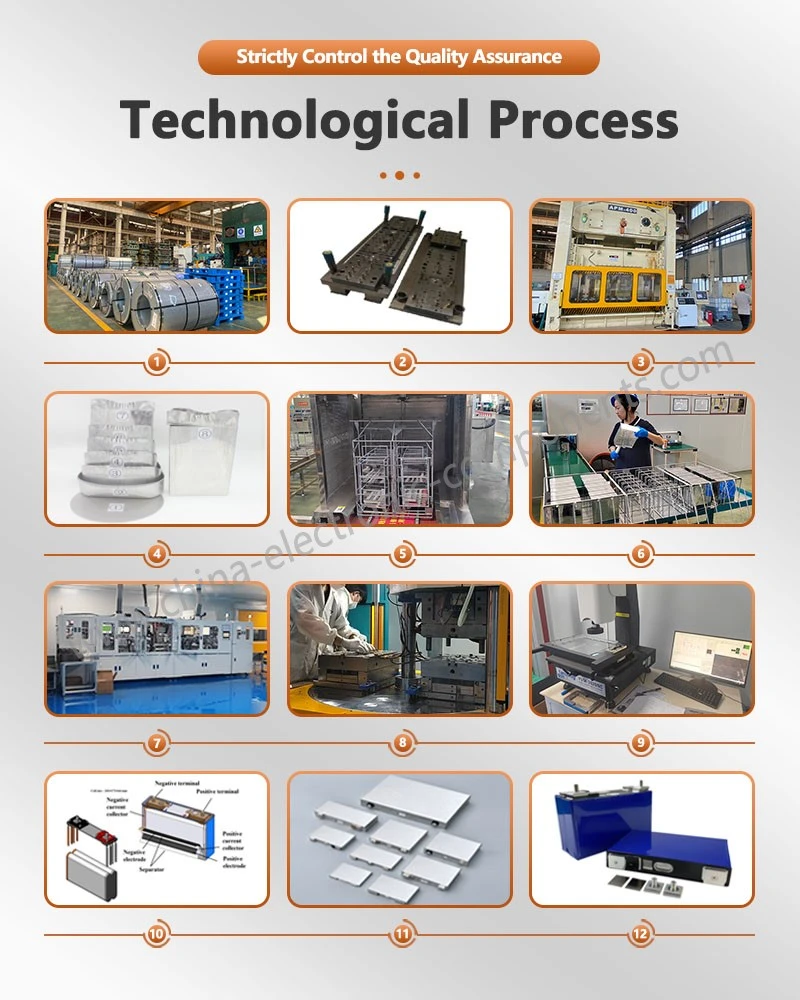
Manufacturing Advantages
Deep Drawing Technology
Equipped with 4-axis servo presses capable of a production rate of 25 parts per minute, the tooling achieves a lifespan exceeding 500,000 cycles, ensuring consistent and reliable performance in mass production of Aluminum shell for panasonic battery Aluminum shell.
Laser Welding System Integration
Fiber lasers provide continuous-wave output to fuse the top cover and lithium cell battery Aluminum shell under an argon shielding atmosphere; weld penetration is controlled between 0.5 mm and 2.0 mm, and airtightness testing confirms a leakage rate below 1 × 10⁻⁵ Pa·m³/s.
CNC Machining Support
5-axis gantry machining centers perform precision cutting on finished Aluminum shell for lithium ion battery cell, ensuring terminal hole coaxiality deviation remains under 0.03 mm to prevent seal failure caused by uneven stress during installation.
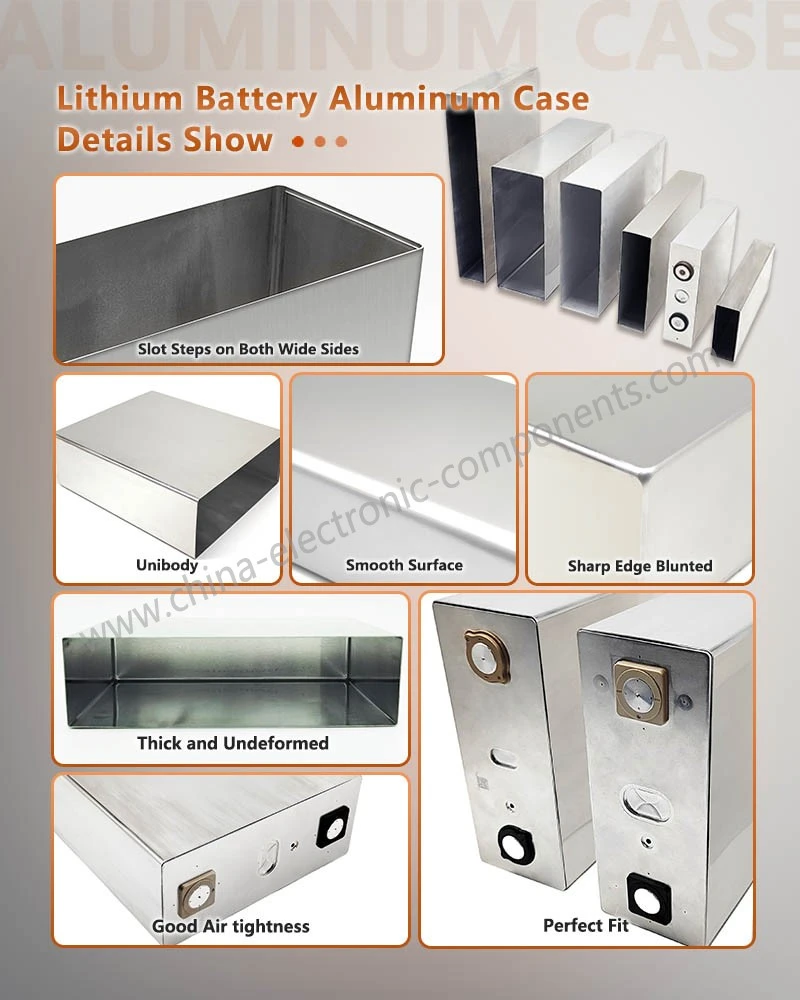
Differentiated Product Advantages
IMaximization of space utilization
Compared to cylindrical cells, the Aluminum shell for panasonic battery Aluminum shell structure facilitates compact, matrix-style module arrangements (such as module-less or CTP designs). Its thin yet robust sidewalls significantly enhance the overall space utilization of the battery pack.
Resilience against long-term chemical electrolyte corrosion
Following specific heat treatment, the inner wall of the Aluminum shell for lithium iron phosphate cells forms an ultra-thin, dense amorphous oxide layer. This layer exhibits exceptional electrochemical inertness when exposed to highly reactive carbonate-based electrolytes and lithium salts (LiPF₆), effectively eliminating the risk of iron impurities leaching from the casing-a common cause of excessive battery self-discharge.
Safety safeguards against thermal runaway
Precision safety vents are typically integrated into the top or bottom of the Aluminum shell for panasonic battery Aluminum shell. In the event of abnormal thermal runaway where internal pressure reaches a critical threshold, the casing avoids catastrophic rupture; instead, pressure is released in a controlled, directional manner, ensuring the overall system remains manageable.
Frequently Asked Questions
Q: Is laser welding the only option for sealing aluminum-shell lithium cells?
A: Laser welding is currently the mainstream method due to its small heat-affected zone, controllable deformation, and suitability for automation. While resistance welding or ultrasonic welding are theoretically possible, they offer far inferior sealing performance and efficiency compared to laser welding. If your production line lacks laser welding capabilities, the aluminum-shell cell solution is not recommended.
Q: How does the safety of aluminum-shell lithium-ion cells compare to that of steel-shell cells?
A: Aluminum alloy casings are lighter than steel casings for the same level of strength and offer superior thermal conductivity; this allows for faster heat dissipation, thereby reducing the risk of localized overheating. When combined with the inherent safety of lithium iron phosphate (LFP) cells, this creates a dual layer of protection.
Q: How is long-term corrosion stability ensured?
A: Long-term reliability in hot, humid, or mildly acidic/alkaline environments is ensured through rigorous salt spray testing and electrolyte immersion validation, with the option of applying highly corrosion-resistant coatings to the aluminum shells used for lithium iron phosphate cells.
contact us
If you are seeking a reliable partner for next-generation lithium iron phosphate (LFP) battery systems-specifically for lithium iron cell Aluminum shell-or require engineering solutions tailored to specific operating conditions, please feel free to contact our technical and procurement support team. We provide detailed technical specifications, sample testing support, and mass-production quotations to help ensure the efficient implementation of your project.

Hot Tags: li cell aluminum shell, China li cell aluminum shell manufacturers, suppliers, factory, Aluminum Battery Cases, New Energy Aluminum Battery Cases, new energy battery, Pack Aluminum Housing, Power Battery Shell, Prismatic Cell Aluminum Shell
You Might Also Like


Send Inquiry