


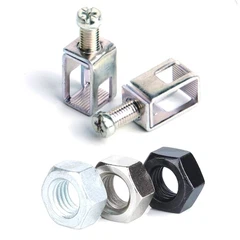
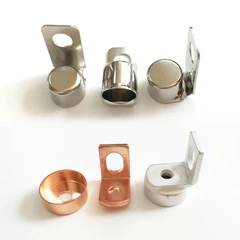


Pressure Rivet Head Self-clinching Screw
What is a Pressure Rivet Head Self-clinching Screw?

The design philosophy of Pressure Rivet Head Self-clinching Screws lies at the intersection of materials mechanics and precision manufacturing. Compared to standard externally threaded fasteners, they exhibit the following distinct physical properties and structural characteristics:
Unidirectional Installation and Flush Finish: Upon installation, the screw head sits flush within the sheet metal, leaving the reverse side completely flat and unobstructed for subsequent assembly of stacked components or surface finishing.
Superior Torque-out Resistance: During the press-in process, the splines (or knurls) induce cold flow in the sheet metal, creating a robust geometric lock that fundamentally prevents slipping or spinning when subjected to high tightening torque.
High Axial Load Capacity (Push-out Resistance): An undercut groove design securely anchors the displaced sheet metal, providing exceptional pull-out resistance and ensuring connection reliability in environments subject to severe vibration.
Tolerance Compensation and Self-alignment: Precision-engineered head chamfers and pilot sections ensure excellent fault tolerance and self-alignment capabilities during automated feeding and high-speed press-fit assembly.
304 Stainless Steel Self-Clinching Screw Application Advantages: From Cabinets to New Energy
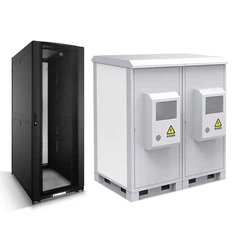
Communication and Server Cabinets
Reliable M4/M5 internal thread mounts on 1.0–1.5mm galvanized steel sheets replace welded nuts, eliminating the need for spot-welding jigs and slag cleanup; the flush-mount back ensures no interference with wiring harnesses.
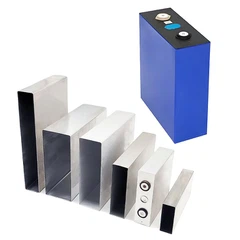
New Energy and Energy Storage Equipment
Self-clinching studs used on battery pack enclosures and inverter housings provide maintainable mounting points for high-voltage components, while the conductive through-hole design inherently meets equipotential bonding requirements.
Rail Transit and Aviation Interiors
Equipment mounts on lightweight aluminum skins; the self-clinching process avoids thermal deformation associated with welding, preserving the flatness of the skin.
Medical Devices and Cleanroom Equipment
Stainless steel housings require no welding or adhesives; electropolished surfaces eliminate sanitary dead zones, aligning with clean assembly standards.

Structural and Material Advantages for Pressure Riveting Self Clinching Screw Stud
Head Design
Available in either countersunk or round-head configurations. The countersunk head sits flush with the panel surface, meeting flatness requirements for aesthetic components and sliding interfaces; the round head offers a larger load-bearing surface, making it suitable for softer base materials or applications requiring higher push-out and torque resistance. The transition radius at the head is optimized to minimize stress concentration during press-in, preventing the formation of radial cracks on the panel surface.
Interlocking Structure
Features a hybrid design combining annular grooves on the rear with knurling. The annular grooves handle axial push-out forces, while the knurling resists rotational torque; this clear division of function simultaneously enhances both push-out and torque resistance.
Threaded Section
The threads are strengthened via a rolling process, resulting in full thread profiles and continuous grain flow, which offers superior fatigue resistance compared to cut threads. A lead-in chamfer at the through-hole end facilitates rapid alignment during assembly and reduces the risk of cross-threading.

Frequently Asked Questions for M6 Self Clinch Captive Stud
Q1: What is the difference between a self-clinching stud (with a head) and a standard self-clinching standoff/nut?
-
A: The former provides an external thread for direct connection to a bolt or nut, whereas the latter typically features an internal thread to receive an external screw. While they share the same mechanical interlocking principle, the direction of force and assembly method differ; choose based on your specific connection requirements.
Q2: Can they be installed in aluminum or stainless steel sheets?
-
A: Yes, provided the sheet material is softer than the fastener itself. Standard carbon steel or hardened stainless steel versions are suitable for aluminum and soft stainless steel sheets. If the base material is harder, increase the fastener's hardness grade or use an alternative embedded design; we recommend a trial installation for verification.
Q3: Is specialized tooling required?
-
A: Matching upper and lower dies and a guide sleeve are required, though the tooling design is not complex. We can provide tooling drawings or the tooling itself; customers can use standard presses for installation, and we can supply reference parameters for pressing force during on-site setup.
Q4: Is custom manufacturing available? What are the minimum order quantities (MOQ)?
-
A: We support customization based on drawings, including head shape, length, thread standards (metric/imperial), and surface finish. Semi-finished stock is available for standard sizes; MOQs for custom parts depend on specifications, though small-batch trial runs can be negotiated for initial validation.
Q5: How is assembly quality verified?
-
A: Standard practice involves sampling tests for axial push-out force, torque resistance, and thread gauge checks (Go/No-Go), combined with cross-sectional analysis to inspect sheet material flow; salt spray testing is added for applications requiring corrosion resistance. We can provide inspection reports with the shipment and assist in establishing incoming quality control standards.

contact us
If you are developing sheet metal structural components, automotive parts, or connection solutions for industrial equipment, please contact our engineering team; we will provide professional, customized solutions for Self-Clinching Weld Screws for Automotive applications based on your drawings and application requirements.

Hot Tags: Pressure Rivet Head Self-clinching Screw, Self-clinching Screw, Sheet Metal Fastener, Press-in Fastener, Custom Metal Fastener, Thin Sheet Metal Screw, Cross Recessed Screw, Dual Threaded Screw, Self Cutting Metal Screws, Self Forming Screw, Slotted Cheese Head Screws, steel screw
You Might Also Like


Send Inquiry