










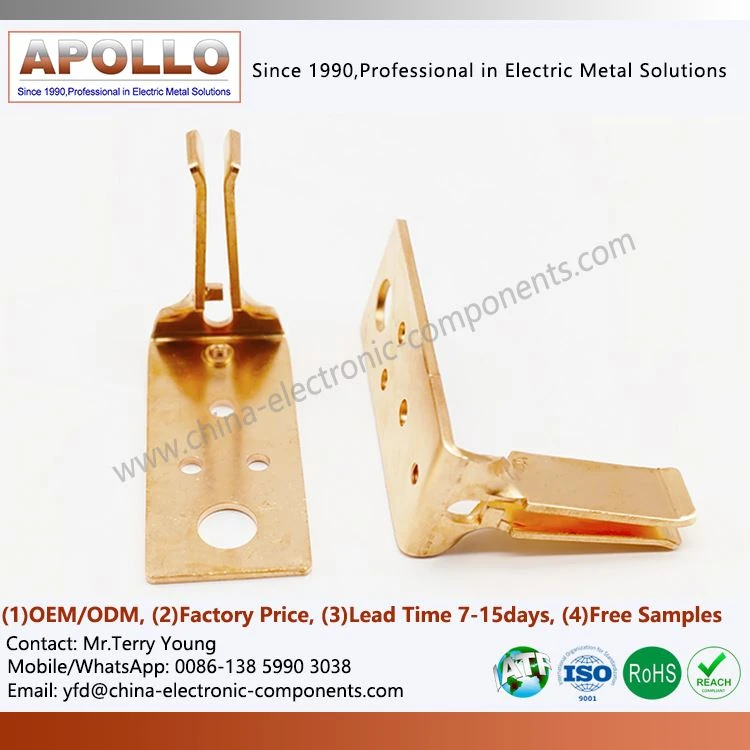
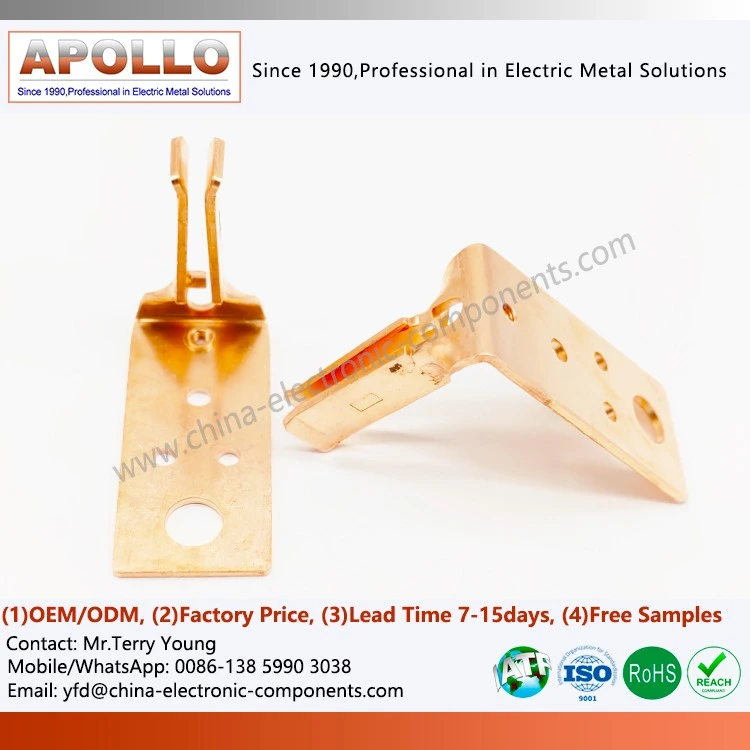
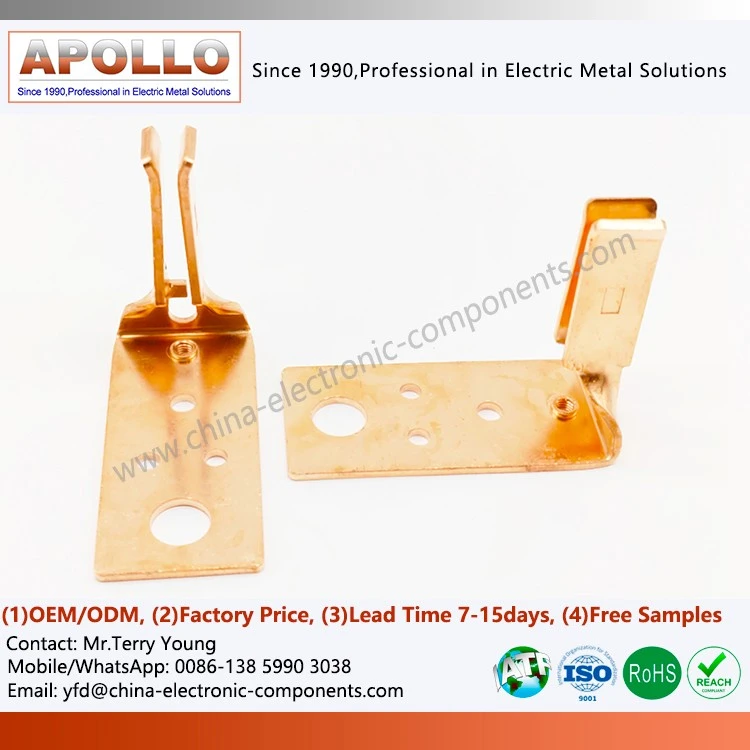
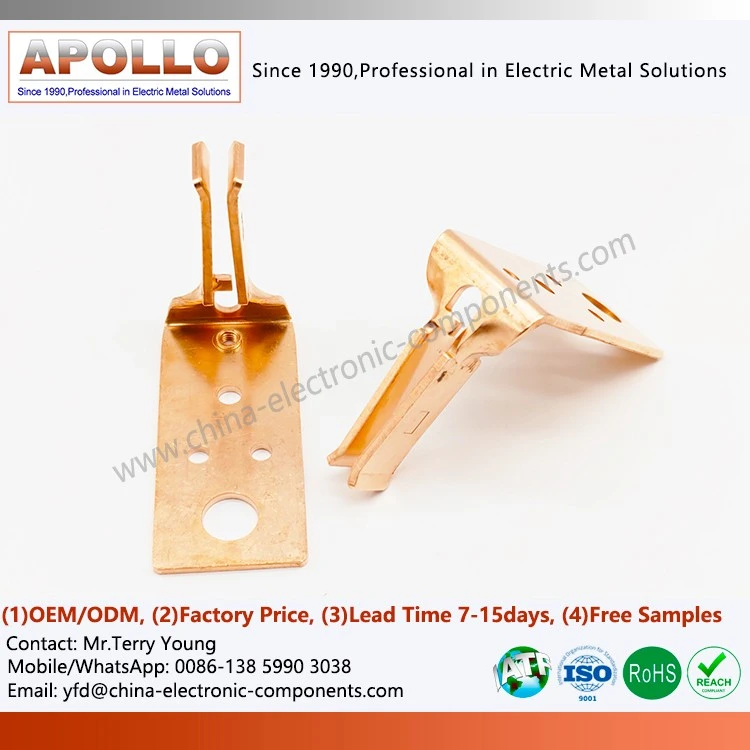
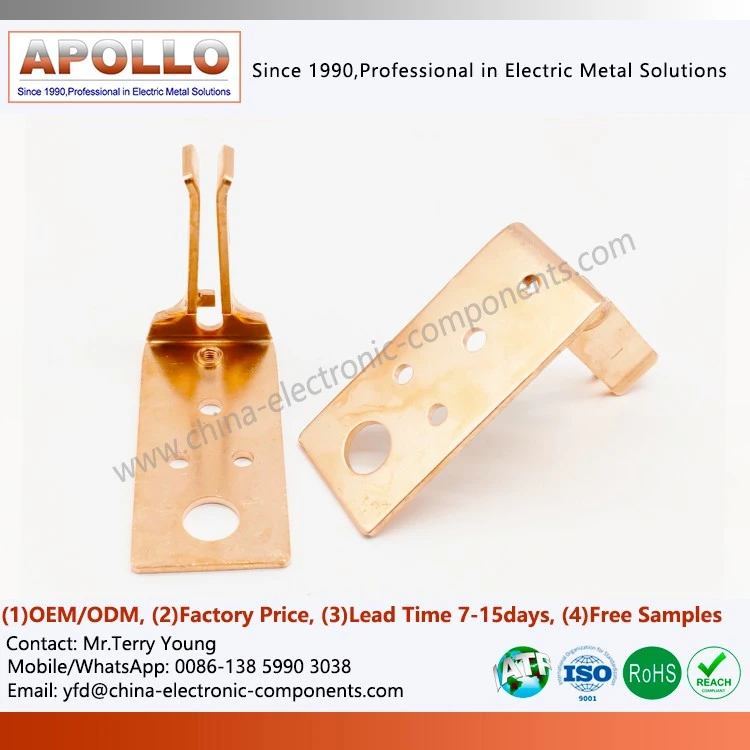
Copper Knife For NH Fuse
What is a copper knife for NH Fuse?
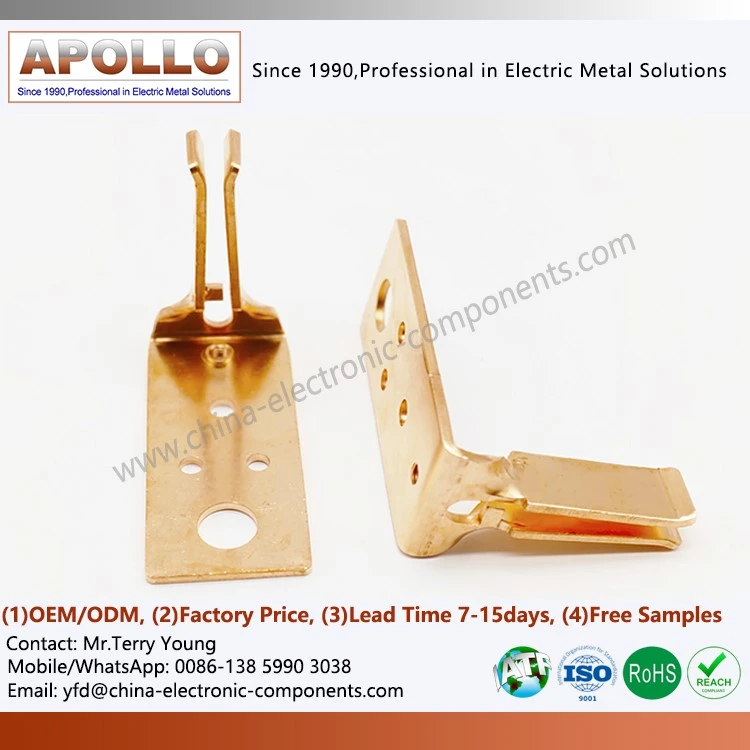
As a "critical connection point" within power distribution systems, the copper blade of an NH fuse possesses physical and electrical properties that directly determine the reliability of the entire protection circuit:
Superior Current-Carrying Capacity: Specifically engineered for continuous operation under high currents, it effectively minimizes temperature rise, thereby preventing system trips or contact welding caused by localized overheating.
High Resistance to Mechanical Stress: Capable of withstanding intense electrodynamic forces during a short-circuit fault, ensuring the component remains structurally intact without deformation or detachment.
Modular Compatibility: Precision-engineered to meet international standards (such as IEC 60269) for NH fuse links and bases, ensuring smooth insertion and extraction, as well as secure, reliable contact.
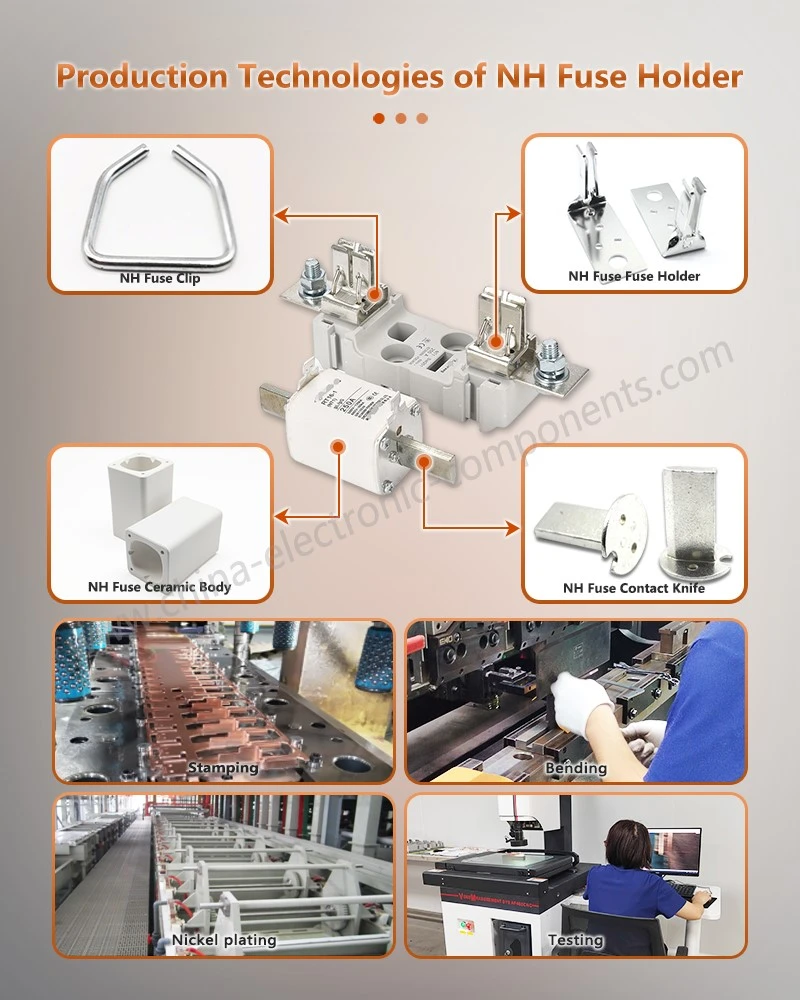
Technical Characteristics and Key Functions for Contact Terminal for NH Fuse
Current Conduction
Serving as the primary conductive component within the fuse circuit, it facilitates the low-impedance transfer of current from the busbar/terminal to the fuse contacts.
Insertion/Withdrawal Durability
The contact area undergoes specialized treatment to maintain elastic contact pressure throughout repeated insertion and withdrawal cycles, effectively suppressing contact resistance drift caused by fretting wear.
Coordinated Short-Circuit Interruption
During the transient passage of fault current, the contact blade must withstand immense electrodynamic repulsive forces and thermal shock. The high short-circuit thermal capacity of T2 copper is combined with an optimized cross-sectional design.
Structural Support
The contact blade also functions as a structural component within the base; its rigidity is critical to the precise positioning of the fuse assembly and its overall vibration resistance.
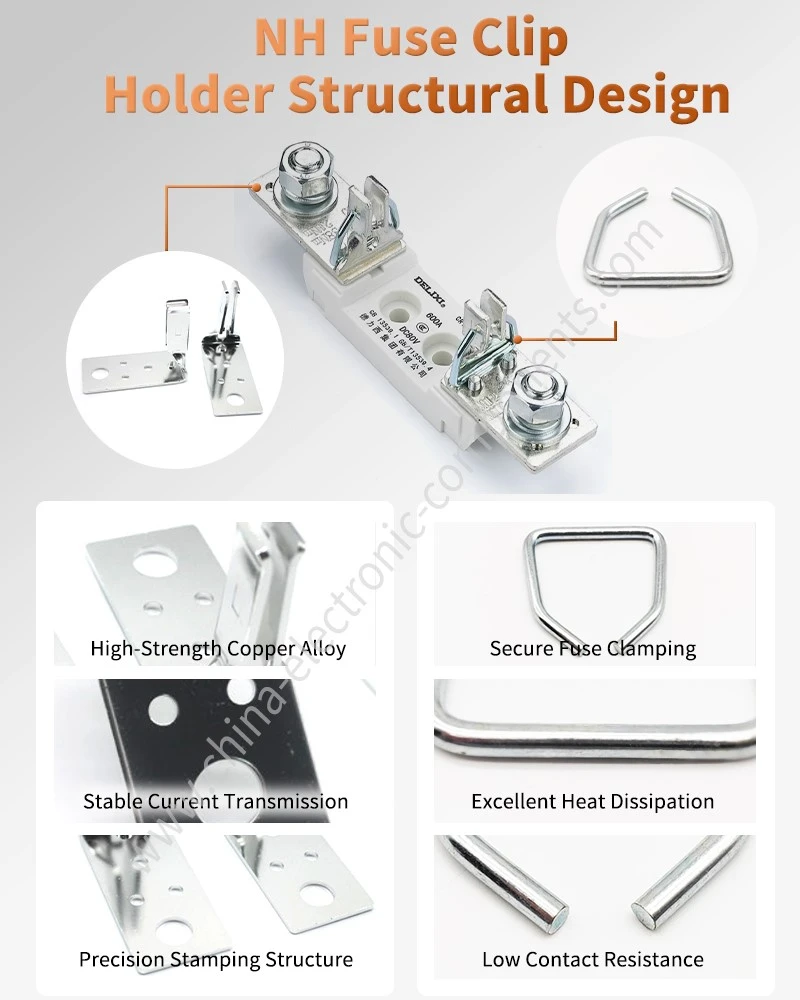
Design Advantages for Fuse Copper Bases
Contact-behavior-oriented profile design
The curvature, thickness, and bend radius of the contact section collectively determine the distribution of contact pressure. During the design phase, we carefully analyze the contact line positioning and pressure decay trends to ensure that performance remains consistent-preventing scenarios where a component meets static dimensional specifications but suffers from degraded performance after dynamic mating cycles.
01
Assembly-friendly structural tolerance
Incorporating lead-in chamfers, limit features, and symmetrical geometry, our designs minimize the risk of misorientation, reversed installation, or incomplete insertion-facilitating both manual and automated assembly processes.
02
Design for Manufacturing (DFM)
While ensuring all electrical and mechanical requirements are met, we optimize radii, hole placements, and flat-pattern dimensions. This reduces stress concentrations in tooling and minimizes spring-back variations during forming, ensuring that design specifications can be reliably achieved in production.
03
Customizable structural elasticity
We offer custom design services tailored to specific NH standards, base structures, or proprietary customer geometries. This includes full customization of profiles, hole patterns, bending configurations, plating types, and packaging. We also provide reverse engineering and process replication based on existing customer samples.
04
Frequently Asked Questions for Fuse Copper Knife
Q1: What is a copper blade for an NH fuse?
-
A copper blade for an NH fuse is a conductive copper component designed for use with NH-type fuses and their corresponding bases. It features a blade-like structure that engages with matching contacts to establish an electrical connection between the fuse and the electrical circuit.
Q2: Why is T2Y2 copper used for NH fuse copper blades?
-
T2Y2 copper (a grade of pure copper) offers excellent electrical conductivity and good formability, making it well-suited for manufacturing electrical connection components that require stamping. The specific material temper and performance requirements should be verified against the customer's drawings and technical specifications.
Q3: Can NH fuse copper blades be manufactured according to custom drawings?
-
Yes. Copper blades can be customized based on customer drawings-including specifications for thickness, width, overall profile, hole positioning, bending geometry, and surface treatment-to ensure proper fit with the corresponding base.
Q4: Can the copper blades be tin-plated or silver-plated?
-
Yes, tin or silver plating can be applied, subject to an evaluation of the product design. The specific type of plating, the areas to be coated, and the coating thickness are determined based on the operating environment, the material of the mating contacts, and the customer's technical requirements.
Q5: What information is required for a custom NH fuse copper blade?
-
To facilitate the evaluation of manufacturing and assembly processes, it is recommended to provide 2D drawings or 3D models, the material grade, thickness, the model of the associated fuse, the dimensions of the base contacts, and any requirements for surface treatment.
contact us
For detailed technical specifications, confirmation of requirements, or solutions tailored to a specific project, please submit your application needs and technical requirements via our inquiry page. Leveraging our solid engineering expertise and reliable manufacturing capabilities, we will provide you with the appropriate Contact Terminal for NH Fuses and technical support.
Hot Tags: Copper Knife for NH Fuse, NH Fuse Copper Blade, NH Fuse Contact Blade, NH Fuse Base Copper Contact, Copper Fuse Blade, Fuse Clip, Fuse Copper Bases, Fuse Copper Holders, Fuse Copper Knife Holder, Knife Contact, NH Fuse Bases
You Might Also Like


Send Inquiry