











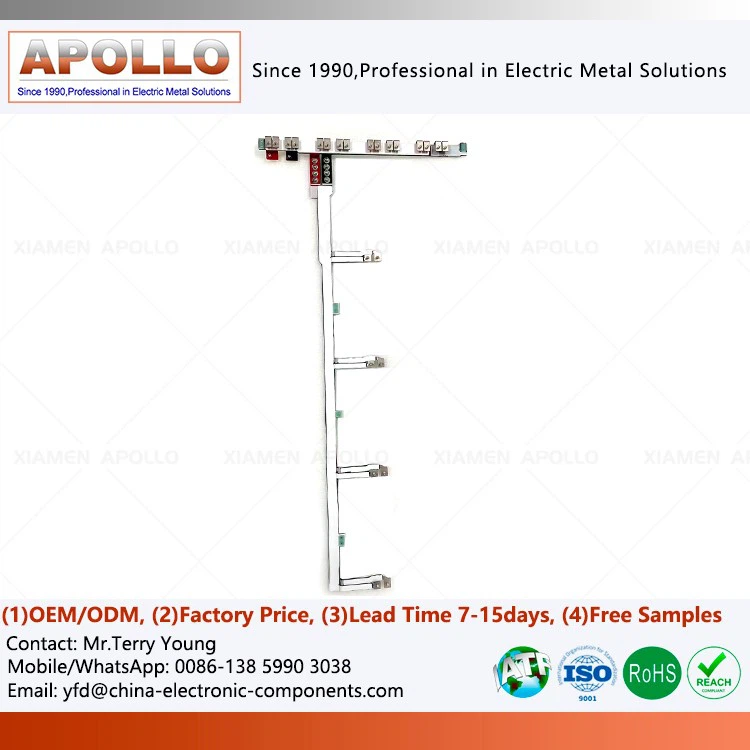
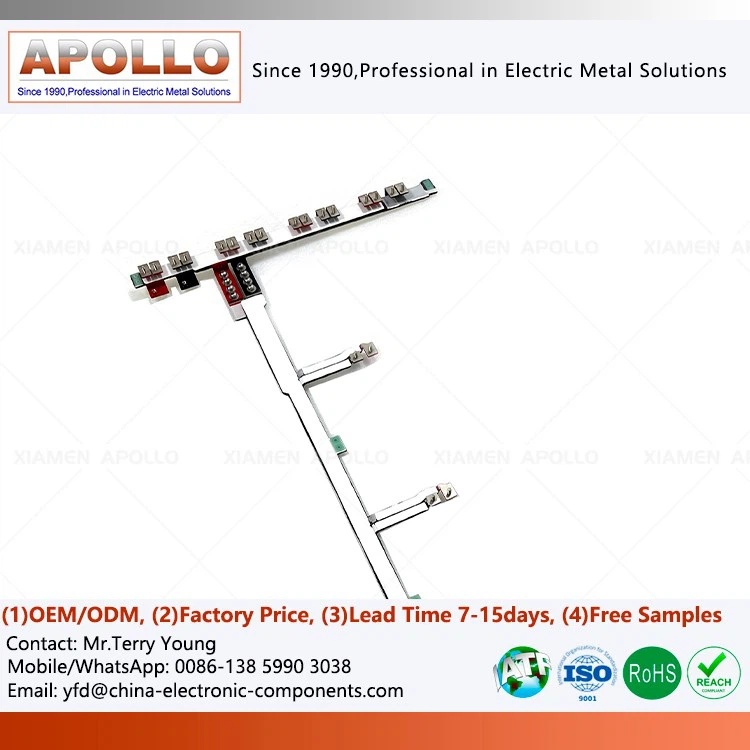
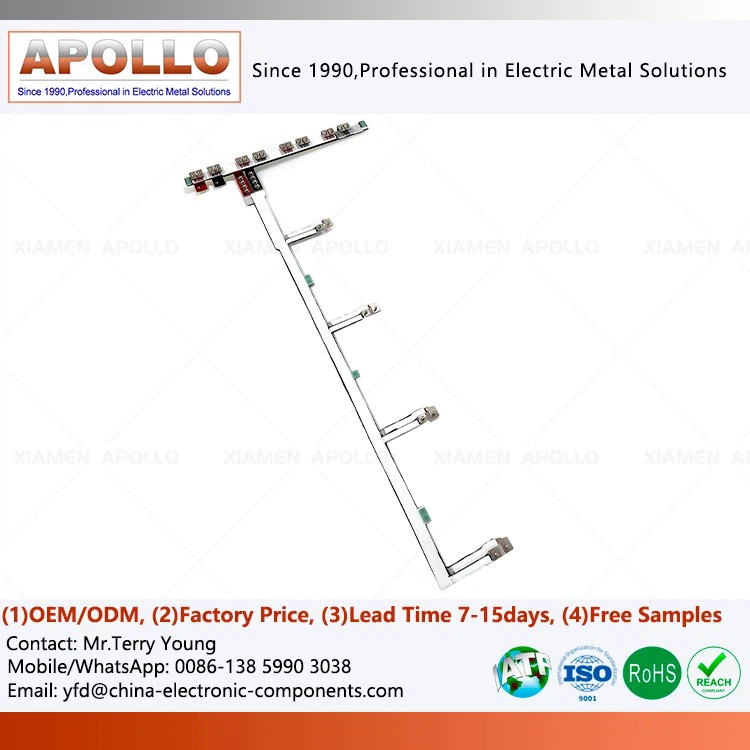
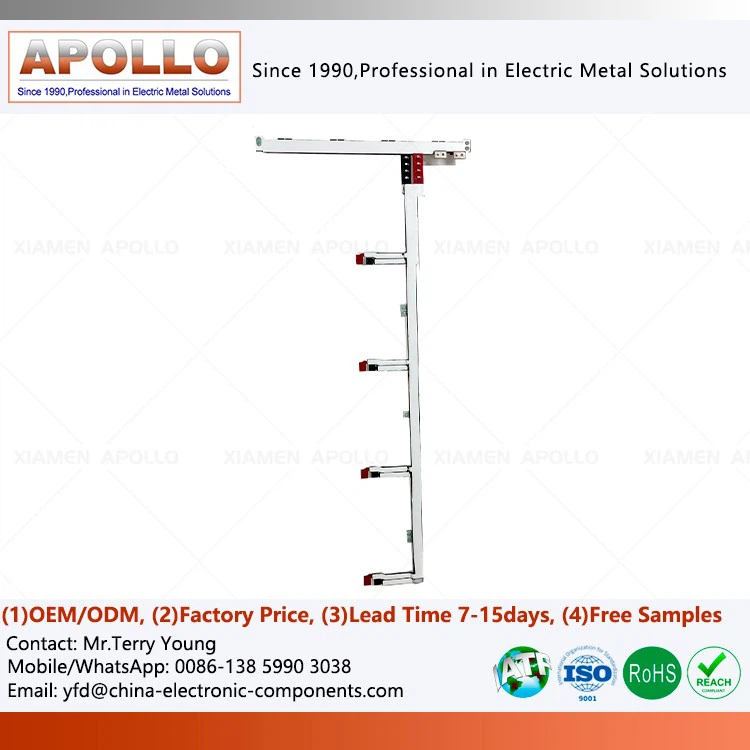
Partially Laminated Bus Bar
Products Description

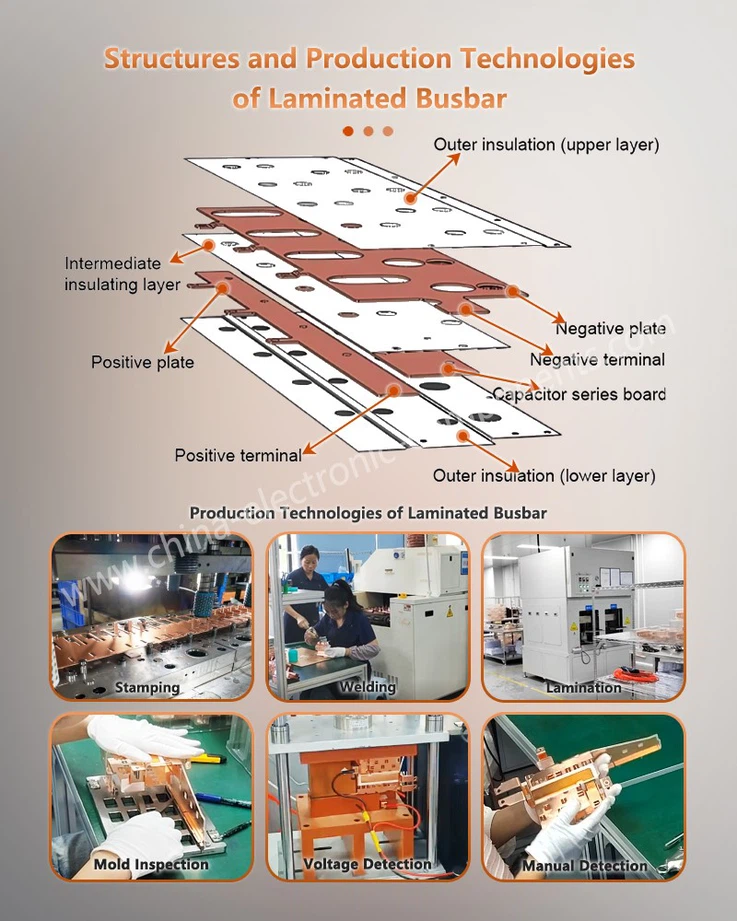
Partially laminated bus bar is a composite electrical interconnection component formed by precisely laminating multiple conductive copper bars with insulating films in specific regions, creating an integrated, partially stacked structure. Designed specifically for complex electrical systems-such as Battery Management Systems (BMS) and power electronics modules-its core value lies in leveraging physical integration to achieve the synergistic optimization of power transmission, signal sampling, structural support, and thermal management, thereby enhancing system energy density, reliability, and manufacturing efficiency.
Manufacturing Advantages and Technical Features
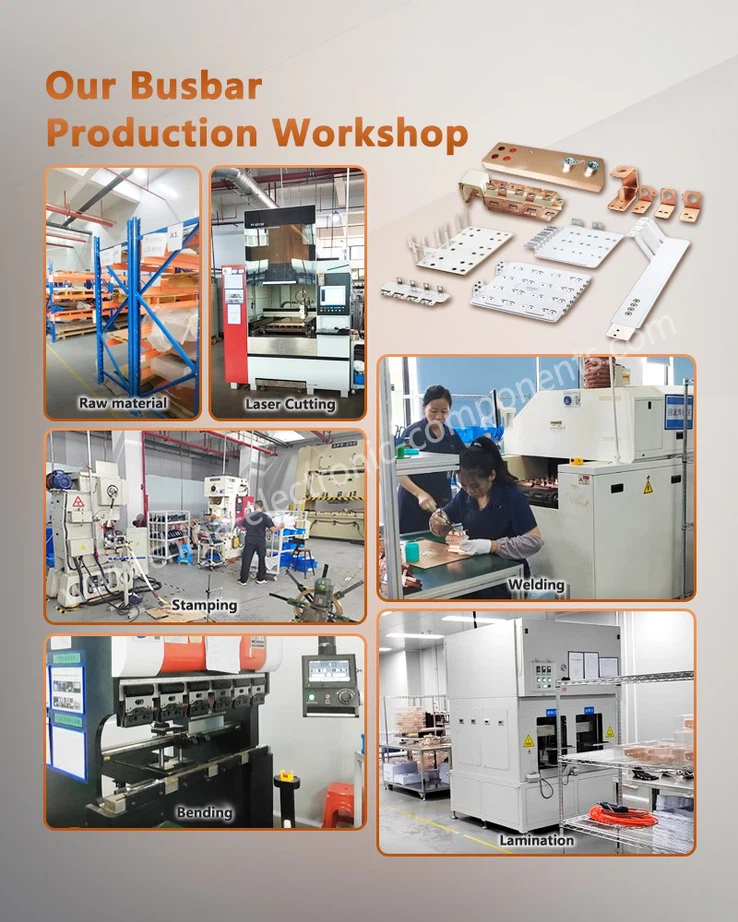
Manufacturing Advantages: Our core competencies lie in the precise control of multi-layer alignment accuracy, the optimization of lamination process parameters, and the consistency of welding quality. We employ high-precision multi-station progressive dies integrated with optical alignment systems, and utilize specialized hot presses featuring multi-stage control for pressure, temperature, and vacuum for BusBar for Power Electronics.
Technical Features: Our capabilities enable the realization of localized thickness variations, the embedding of components (such as NTC thermistors and fuses), and the design of differentiated insulation strengths across various regions of Varnished Insulated Busbar (VIB).
Core Advantages
Integrated Power and Signal Transmission
Simultaneously enables high-current transmission and multi-channel signal sampling, eliminating traditional wire harnesses, reducing connection points, and lowering the probability of failure of Bus Bar Solutions for Electrical Power Distribution.
Low Impedance and Low Inductance
The parallel conductor structure for Laminated BusBar within the laminated section significantly reduces parasitic inductance and minimizes EMI interference, making it ideally suited for applications involving high-frequency power devices such as SiC and GaN.
Balanced Structural Flexibility and Rigidity
The localized lamination design strikes a balance between providing rigid support in the power section and ensuring flexible adaptability in the connection section, thereby absorbing vibration and thermal stress to enhance overall system reliability for Bus Bar for Power Electronics Bunding Solutions.
Key Features
High-Current Transmission
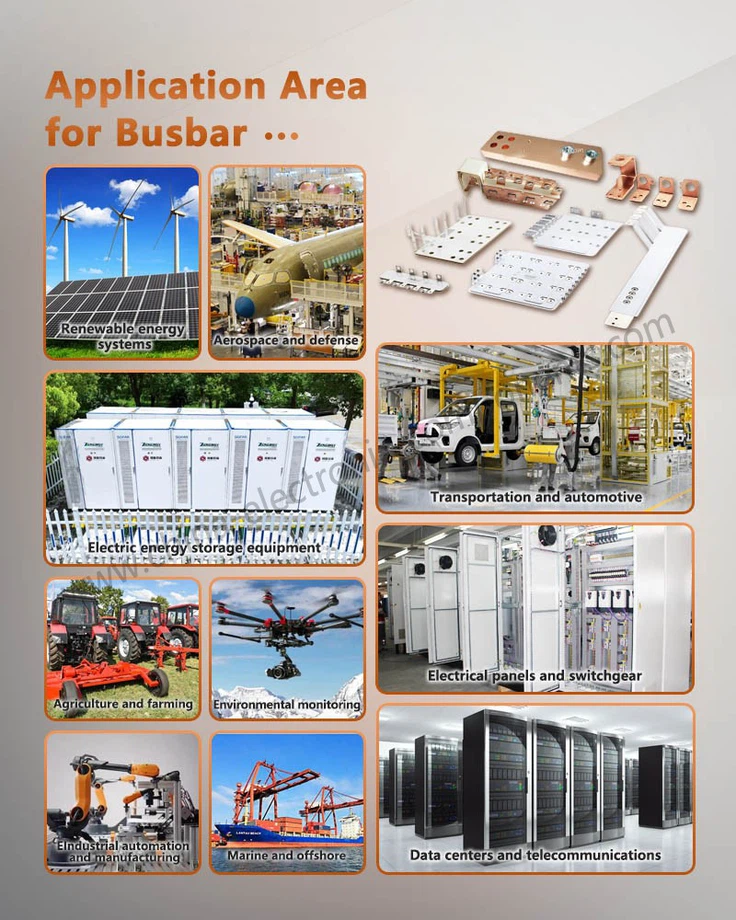
Parallel-connected Copper Bus Bar for Alternative Energy reduces AC resistance and skin effect losses, capable of carrying hundreds to thousands of amperes of DC or power-frequency AC current.
Potential Isolation
An insulating layer limits the potential difference between adjacent conductive layers-or between conductive layers and the housing-to within a safe range, with a dielectric withstand rating reaching AC 2500 V/min for BusBar for Power Electronics.
Distributed Sampling
Precisely extracts signals for individual cell voltage, Varnished Insulated Busbar (VIB) temperature, or loop current at pre-determined locations, providing data to the BMS for SOC/SOH estimation and fault diagnosis.
Mechanical Integration
Serves as the structural backbone for battery modules or power modules, providing mounting and positioning references while withstanding vibration and shock loads.
contact us
To obtain samples, technical specifications, or custom design solutions for partially laminated busbars, please contact our team using the contact details provided below.

Hot Tags: partially laminated bus bar, China partially laminated bus bar manufacturers, suppliers, factory, Laminated Bus Bar, Stacked Busbar, Laminated Busbar Design, Lamination Busbar, Layered Busbar, Multilayer Busbar
You Might Also Like


Send Inquiry