










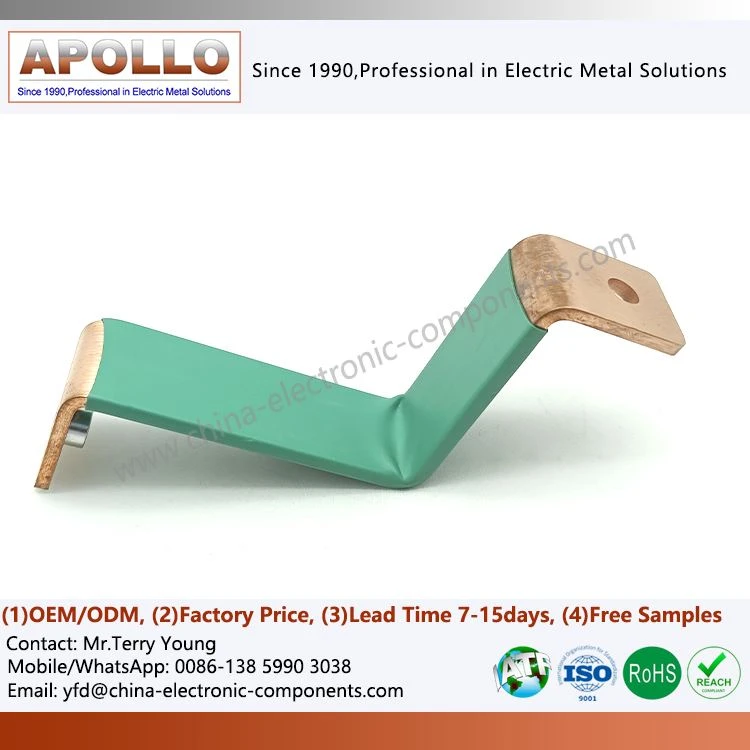

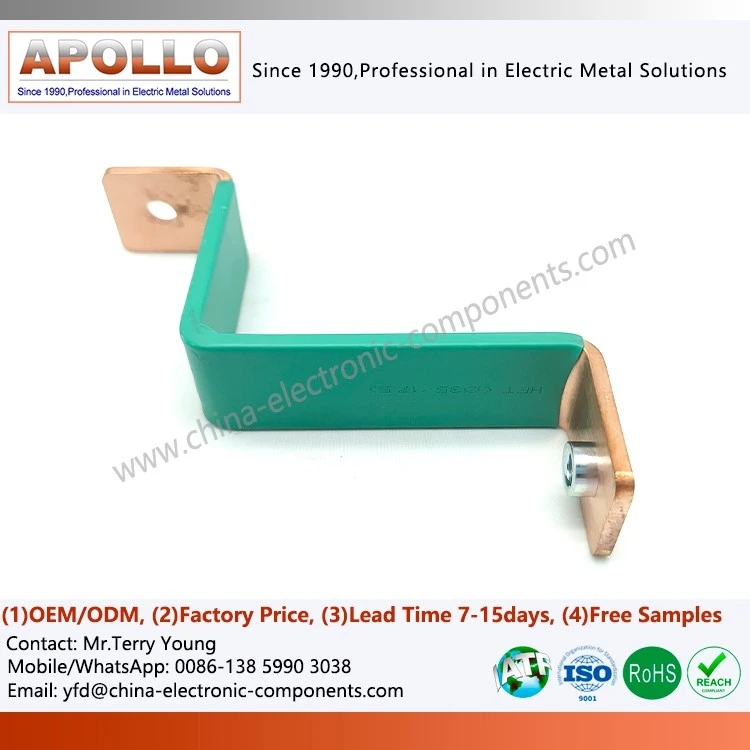
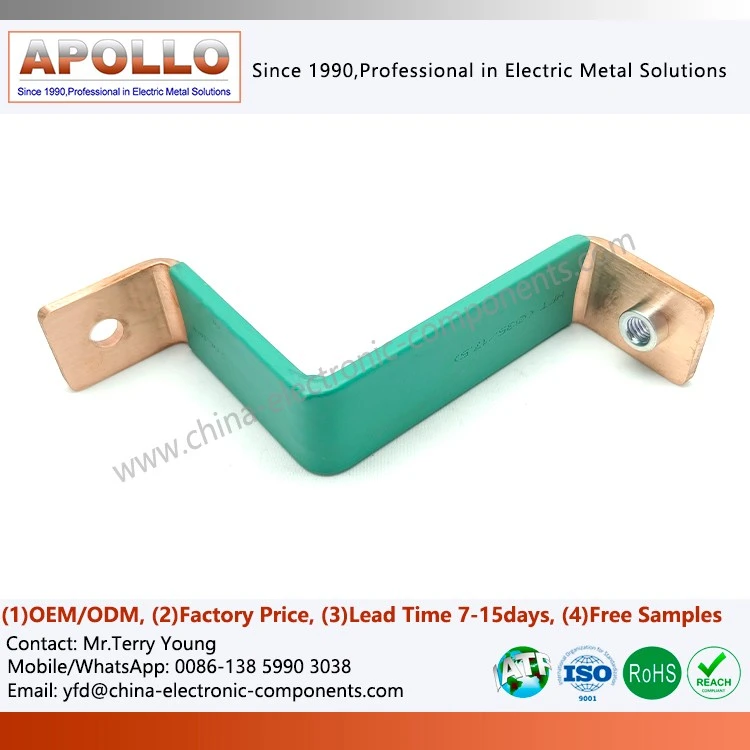
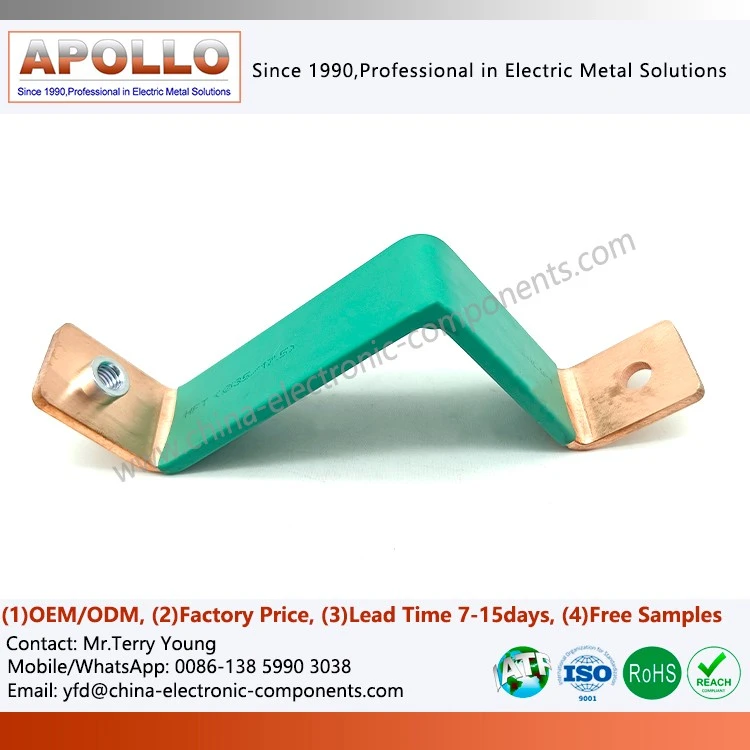
EV Battery Connectors
Products Description

In electric vehicle battery systems, connection components define how energy is transferred, expanded, and reorganized across the life cycle of the pack. EV Battery Connectors are developed to support this dynamic role, acting as structured interfaces between battery cells, modules, and downstream power systems. Rather than being treated as fixed hardware, these connectors are designed to accommodate evolving pack architectures, automated assembly processes, and service-oriented design strategies. Their form and interface logic support consistent electrical continuity while allowing flexibility in layout changes and system upgrades. By aligning connector behavior with modern EV battery design principles, the product supports scalable battery platforms that evolve with vehicle technology rather than constrain it.
Energy Flow Interface Design
Directed Current Path Control
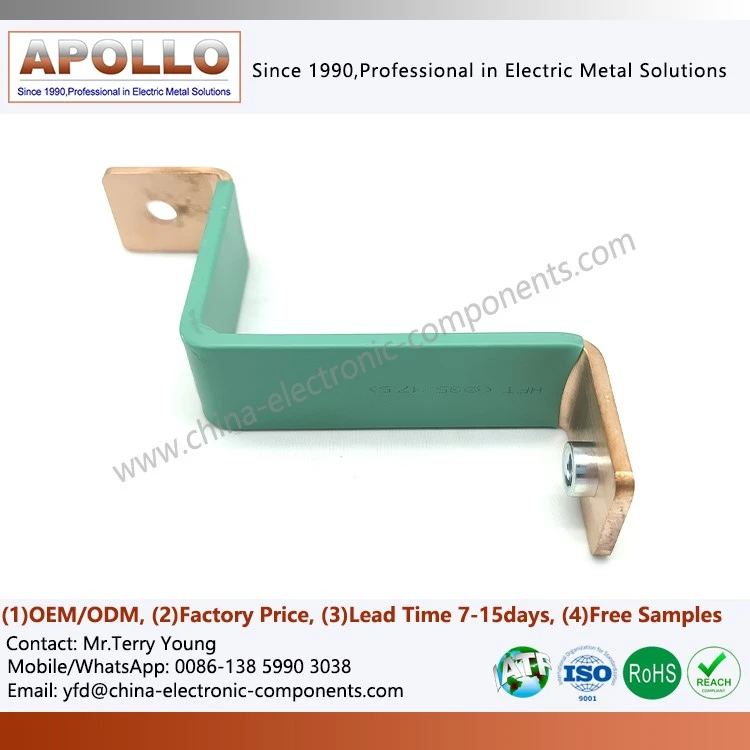
Solid Insulation Tubing Busbar are structured to guide electrical flow along defined paths between battery elements. This controlled interface supports predictable current routing within complex battery pack layouts.
Stable Contact Transition Zones
By maintaining defined contact interfaces, Customized Busbar Insulating Tube help ensure smooth transitions between cells and modules. This supports consistent electrical behavior across interconnected components.
Alignment with Pack Architecture
Insulated Copper Busbar with Heat Shrink Tube are designed to match modular battery layouts rather than force rigid alignment. This allows integration into diverse EV platform designs.
Reduced Electrical Discontinuities
Through optimized interface geometry, Copper Busbar PVC Insulated help minimize irregularities along the current path. This supports uniform energy transfer across the system.

Assembly Rhythm and Manufacturing Integration
Support for Automated Assembly
Heat Shrink Tubing BusBar are compatible with robotic handling and automated fastening processes. This supports high-throughput battery production environments.
Repeatable Installation Positioning
Defined interface geometry allows Heat Shrink Sleeves BusBar to be installed with consistent positioning. This reduces variation during large-scale assembly.
Simplified Assembly Sequencing
Battery Terminal Bus Bar are designed to fit naturally into staged assembly workflows. This helps align connector installation with battery module build order.

Serviceability and Lifecycle Considerations
| Defined Disconnection Logic | Busbar sleeve support structured disassembly during maintenance or replacement. This improves access during servicing operations. |
| Reduced Impact of Component Replacement | By localizing connection points, heat shrink busbar help limit disruption when individual modules are replaced. This supports efficient service workflows. |
| Support for Diagnostic Access | Clear interface zones allow EV Battery Connectors to be incorporated into diagnostic procedures. This supports system monitoring and evaluation. |
contact us

Hot Tags: ev battery connectors, China ev battery connectors manufacturers, suppliers, factory, Heat Shrink Tubing BusBar, Insulation Coating Busbar, Busbar Coating Powder, PA66 Plastic Insulation Busbar, PET Insulated Busbar, Insulated Copper Bus Bar
You Might Also Like


Send Inquiry