


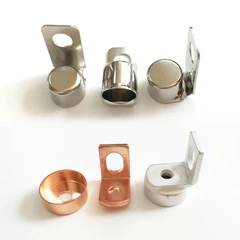
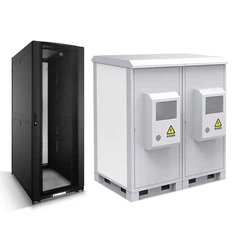
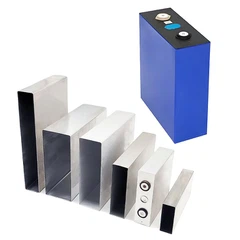


Copper Foil Busbar
Products Description

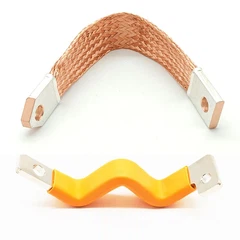
A Copper Foil Busbar is a flexible, high-current conductive component constructed from multiple layers of high-purity, micron-scale pure copper foil. It is fabricated either through high-pressure molecular diffusion welding at both ends or via integral cold-press molding. This component is specifically designed for modern electrical power applications-such as lithium-ion battery packs (BMS) in new energy vehicles, power transformers, large-scale inverters, and high- and low-voltage switchgear-where it is essential to accommodate dynamic physical displacement, facilitate precise spatial routing, and maintain rigorous control over temperature rise.
Product Characteristics
Laminated Flexible Composite Structure
Multilayer Flexible Copper Bus bar for Switchgear composed of dozens of parallel-stacked layers of precision-rolled bare copper foil or tin-plated copper foil, each ranging in thickness from 0.05 mm to 0.3 mm. This multi-layered configuration minimizes the rigid physical stresses typically associated with solid conductors, thereby achieving exceptional flexibility in both axial and three-dimensional bending.
Highly Homogeneous, Low-Resistance Terminals
The connection zones at both ends of the Customized Tin Plating Copper Laminated Busbar undergo an advanced processing treatment; this causes the stacked copper foils to interpenetrate at an atomic level, forming a homogeneous, solid copper block entirely free of solder. This process ensures superior electrical conductivity and mechanical strength at the contact interfaces.
Customizable Insulation Protection
The non-contact surfaces of the busbar body are typically encased in a high-performance outer insulating layer (such as heat-shrink tubing, extruded PVC, or a copolymer coating). This insulation provides a dielectric breakdown strength capable of withstanding tens of kilovolts, while simultaneously preserving the overall bending flexibility and ductility of the Copper laminated foils connector.

Design Advantages
Flexible Zone Aspect Ratio Design
The length of the flexible zone of the Flexible Laminated Copper Bus Bar should be at least 1.2 times its width; otherwise, bending becomes difficult and flexibility is restricted. For applications requiring large-angle bending, an aspect ratio of ≥ 2 is recommended.
Current Carrying Capacity Estimation
For natural-convection-cooled enclosures, a preliminary estimation of 3–4 A/mm² is used; however, for applications with strict temperature rise requirements, a selection criterion of 2.5–3 A/mm² is recommended.
Minimum Bending Radius
The minimum bending radius for the flexible zone of Multi-Layer Bending Power Electrical Busbar should be at least 5 times the thickness of the flexible connector to prevent damage to the internal foil laminations.
Mounting Hole Edge Distance
The distance from the center of the mounting hole in the Copper Foil Flexible Busbar For Rail Transit to the edge of the welded zone should be at least 1.5 times the hole diameter to prevent cracking at the weld edge under mechanical stress.

Frequently Asked Questions
1. How do you ensure that Multilayer Flexible Copper Bus bar for Switchgear does not experience delamination or overheating during long-term use?
The key lies in a precise diffusion welding process and standardized terminal protection. We utilize high-precision hot-pressing molds and strict parameter controls to ensure the multi-layer copper foil fuses into a completely monolithic unit; additionally, we incorporate adhesive-bonded insulating sheets within the laminated structure to further enhance overall structural stability and thermal conductivity.
2. What specific advantages do Flexible Laminated Copper Bus Bars offer compared to traditional solid rigid copper busbars?
Flexible Laminated Copper Bus Bar effectively absorbs mechanical vibrations and thermal expansion displacements generated during equipment operation, thereby preventing contact surface loosening or fractures often associated with rigid connections. Furthermore, their laminated structure facilitates faster heat dissipation, and in high-frequency applications, they significantly reduce energy losses caused by the skin effect.
3. Do your Multi-Layer Bending Power Electrical Busbar support customized insulation coatings?
Yes, they do. We offer customized insulation protective layers-such as silicone or PVC-tailored to specific requirements. These coatings effectively prevent short circuits and accidental contact, making them ideal for applications with high safety demands, such as installations within enclosed cabinets or complex wiring layouts.

contact us
If you are seeking Copper Foil Busbars for power equipment, new energy systems, or industrial conductive connections, please contact us for additional structural solutions, sample support, and customized flexible conductive connection services.

Hot Tags: copper foil busbar, China copper foil busbar manufacturers, suppliers, factory, Copper Flexible BusBar, Copper Foil Bus Bar, Copper Foil Connector, Copper Foil Flexible Storage Energy Battery Busbar, Copper Foil Multi Layer Welding Busbar, Flexible Copper Shunts
You Might Also Like


Send Inquiry