




Custom Bus Bars
What are custom bus bars?
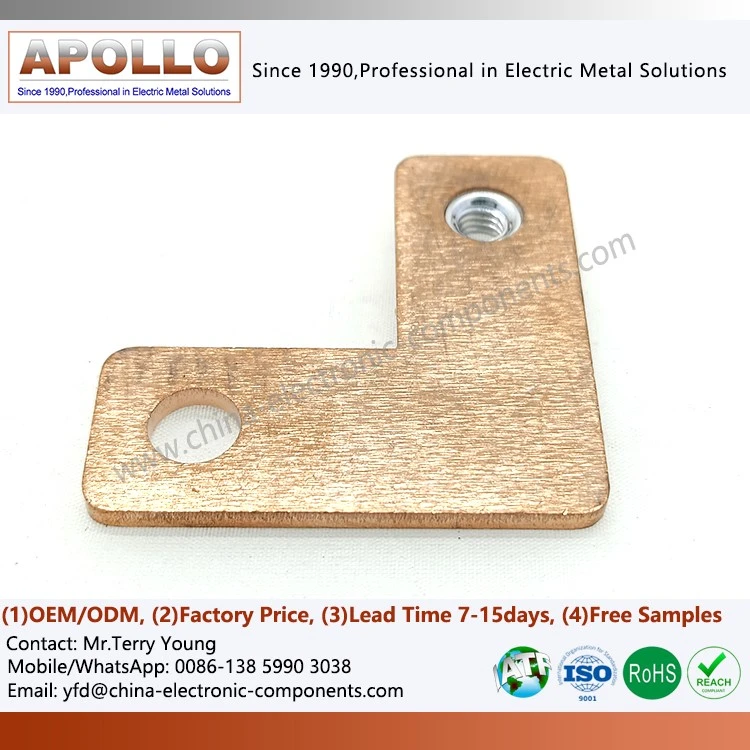
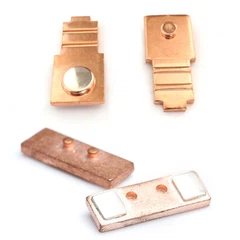
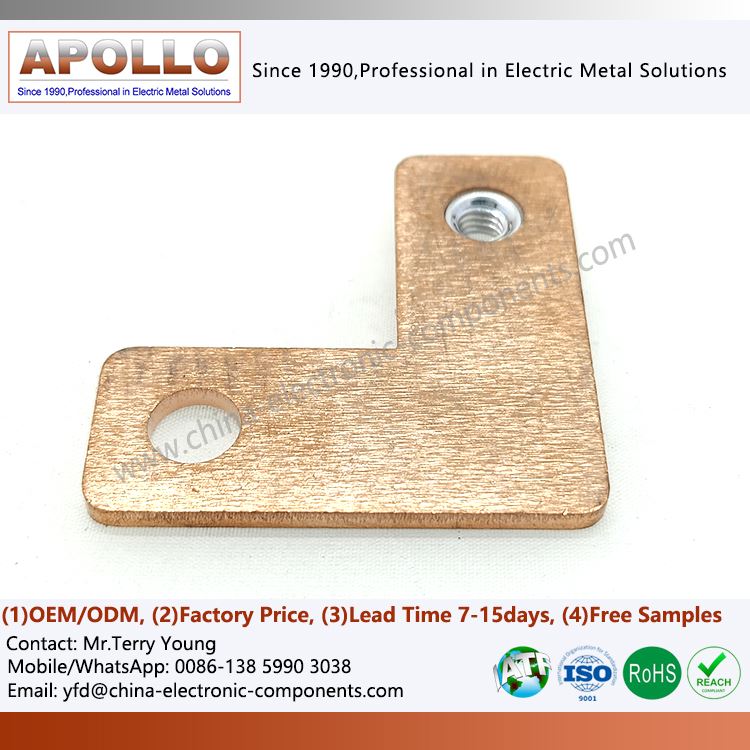
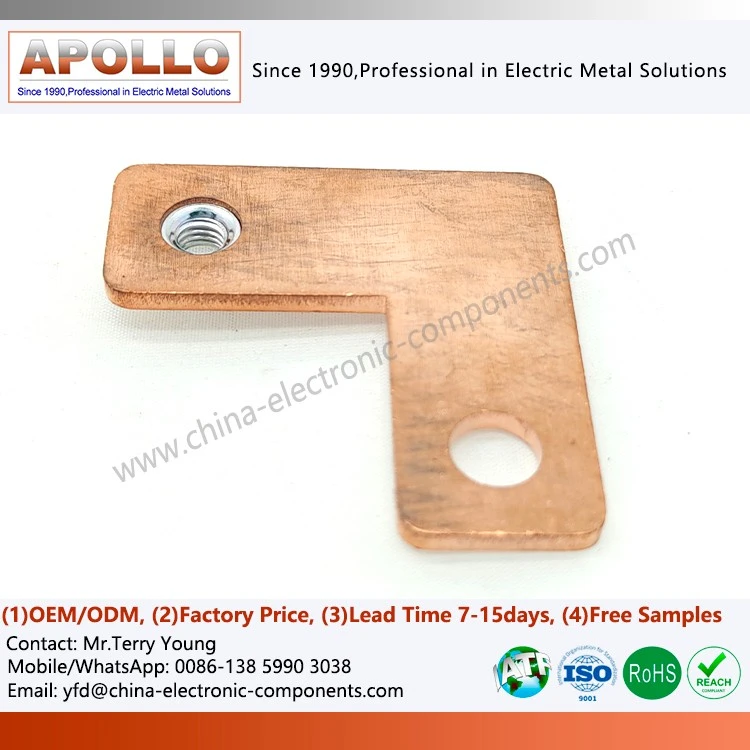
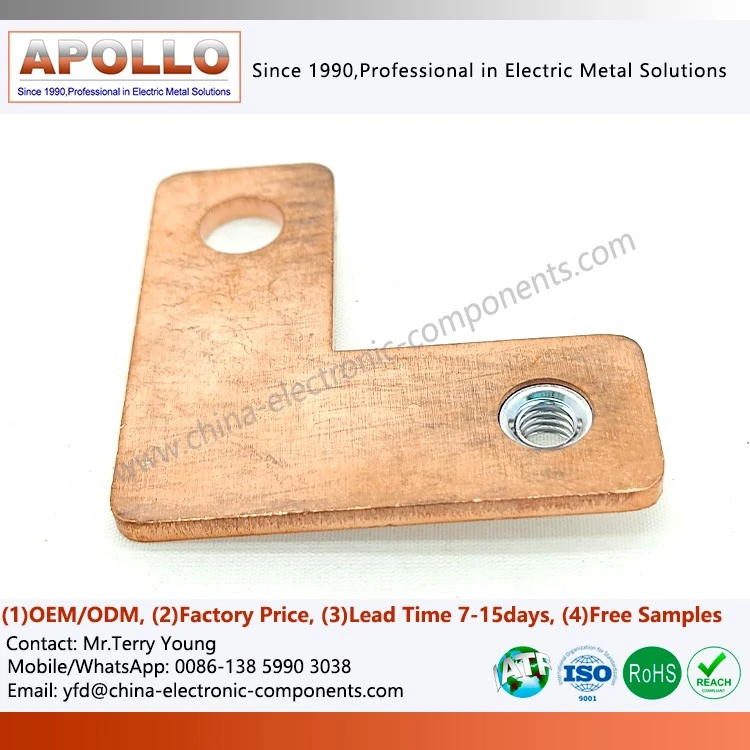
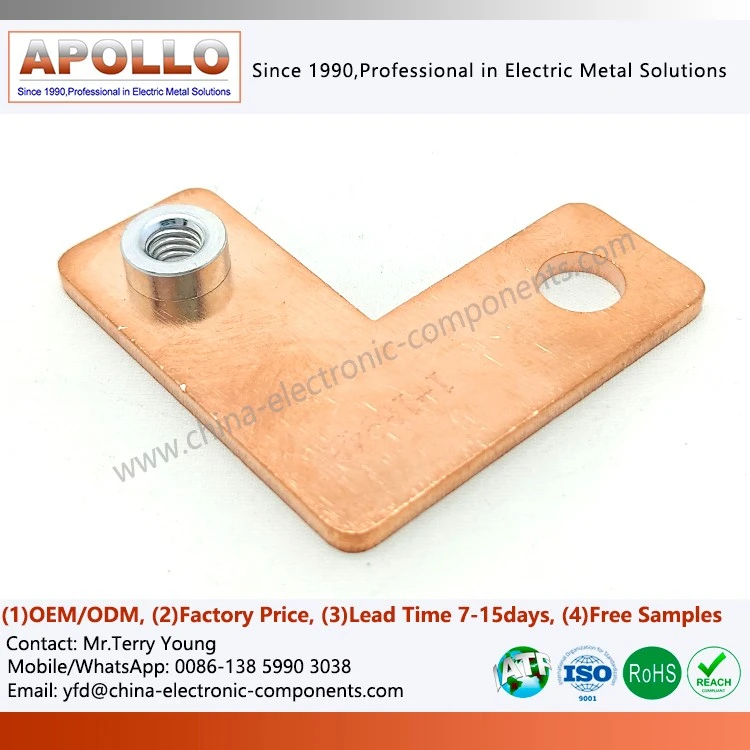
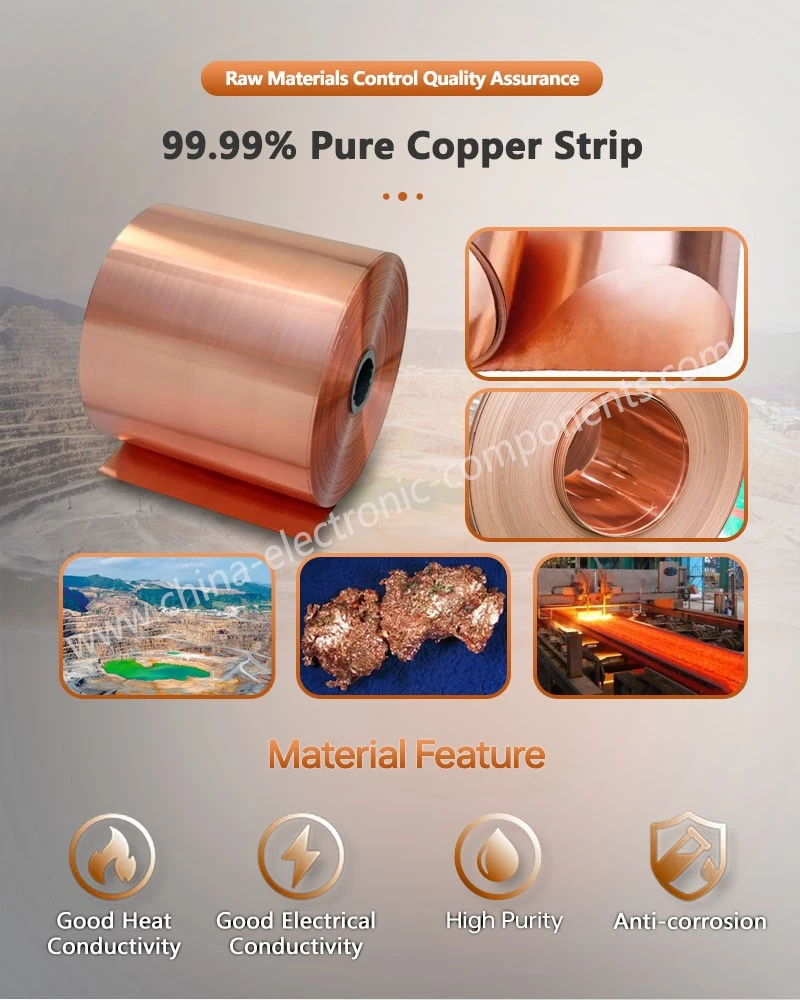
Customized busbars are rigid or flexible conductive connectors manufactured from highly conductive copper substrates through processes such as cutting, punching, drilling, bending, surface treatment, and insulation coating. Based on surface finish, we primarily offer four types:
Standard Busbars (Bare Copper): Featuring an untreated bare copper surface, these offer optimal direct conductivity and heat dissipation; they are suitable for dry, controlled cabinet environments or for applications where the customer performs selective plating or applies conductive paste.
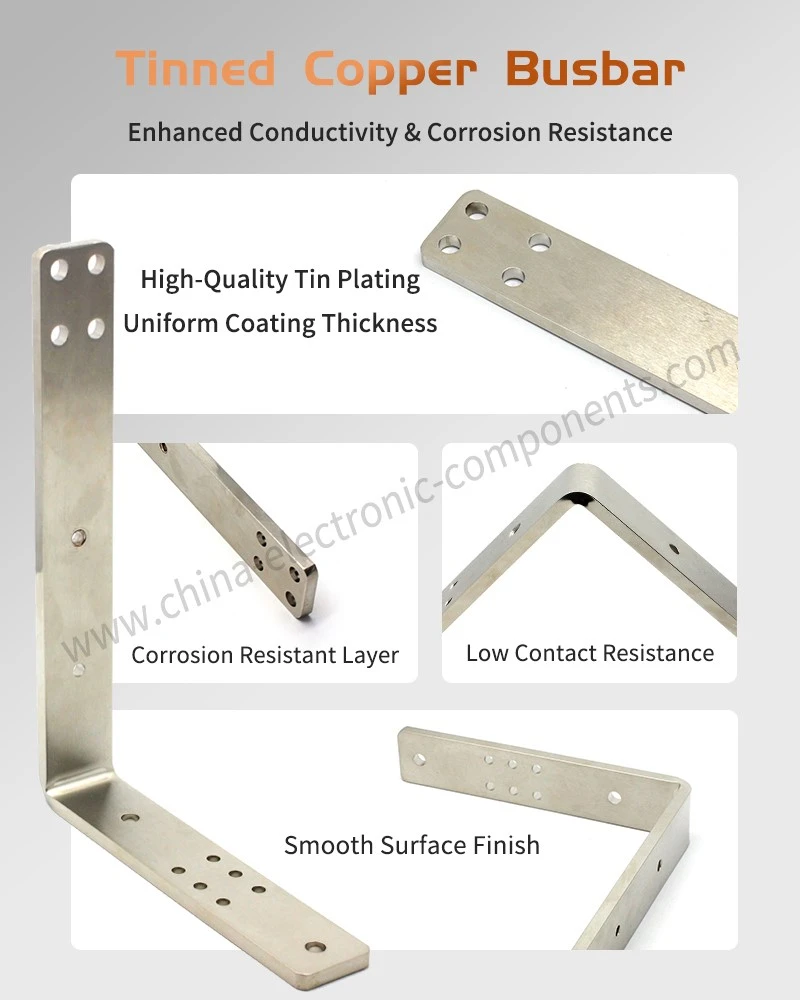
Tin-Plated Busbars: With a dense tin layer on the copper substrate, this is the most widely used configuration in power distribution and new energy sectors, balancing oxidation resistance, solderability, and low contact resistance for bolted connections.
Nickel-Plated Busbars: With high hardness and chemical inertness, these suit industrial and marine environments with humidity, sulfur, salt spray, or ammonia corrosion; they also often serve as diffusion barrier layers beneath tin or silver plating.
Zinc-Plated Busbars: Designed for cost-sensitive applications with lower corrosion exposure requirements, providing basic surface protection.
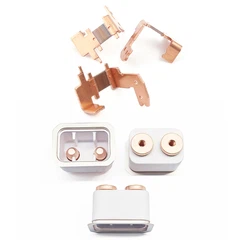
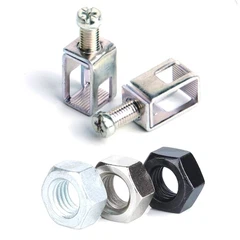
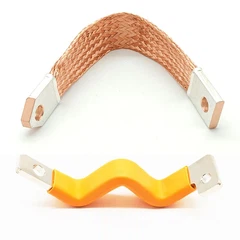
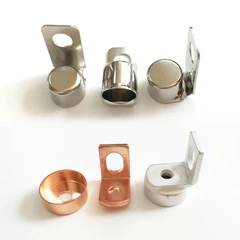
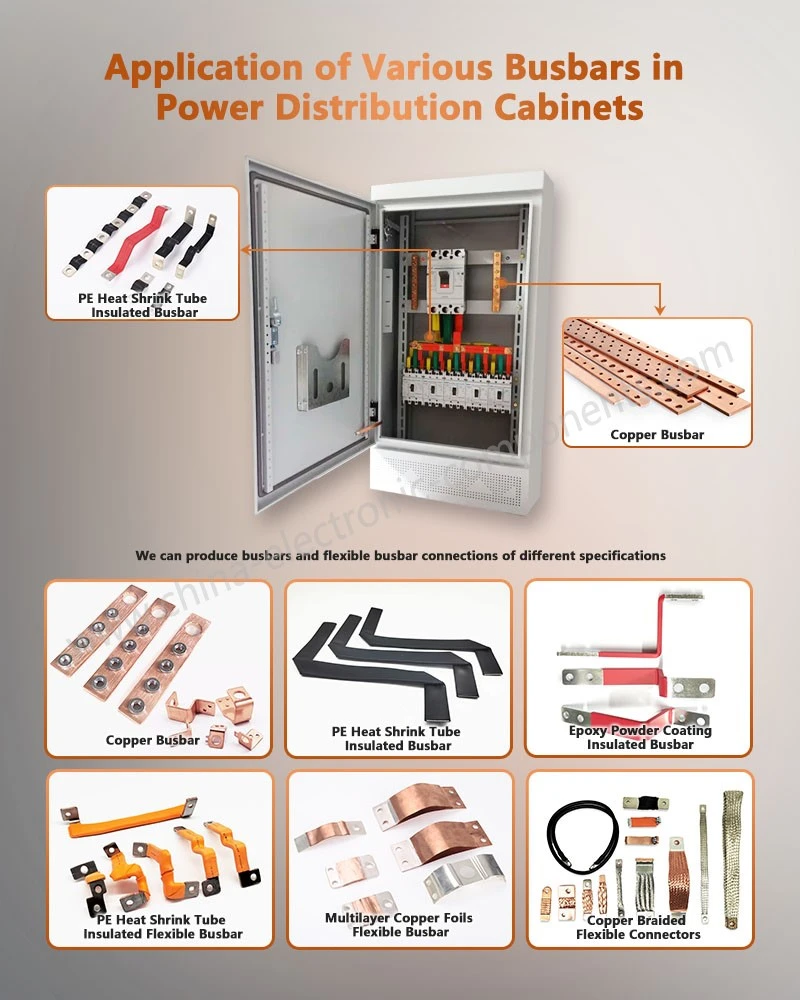
In terms of structural form, options range from straight bars and shaped bars (L-shaped, Z-shaped, or stepped) to slotted terminal bars, flexible connectors (copper foil laminates), and laminated busbars.
48V DC Busbar Material and Surface Treatment Solutions
The selection of copper busbar materials affects not only electrical conductivity but also formability, contact interface quality, and suitability for the intended operating environment. Material grade, temper, and surface treatment should be determined collectively based on equipment design requirements.
| Product plan | Main features | Applicable considerations |
| Bare Copper Busbar | Retaining the original surface of the copper material, the process is relatively straightforward | Environmentally controlled power distribution equipment, internal conductive connections |
| Nickel Plated Copper Busbar | Improved surface resistance in certain environments through nickel coating | Electrical components that require evaluation of wear resistance, temperature, and contact interface requirements |
| Zinc Plated Copper Busbar | Use zinc coating as a surface protection solution | It is necessary to confirm the process compatibility, adhesion, and electrical contact suitability of the coating and the copper substrate. |
Selection Note: Nickel plating and zinc plating are not directly interchangeable surface treatments. For high-reliability electrical connections, it is essential to evaluate the impact of the plating on contact resistance, contact pressure, environmental adaptability, and long-term stability. If the project has specific requirements for the contact interface, alternative surface treatment options may also be evaluated based on technical specifications.
Application Advantages for AI Data Center Busbar
Customized standard copper busbars are widely deployed across the electric power and new energy sectors, offering distinct value in various applications:
New Energy Photovoltaic (PV) Systems
Used for current collection within PV combiner boxes and inverters. Bare or tin-plated copper versions are typically selected to carry input currents from PV arrays and ensure stable DC power transmission.
01
UPS (Uninterruptible Power Supply)
Nickel-plated copper busbars are the preferred choice for UPS power units. Given the equipment's continuous, long-term operation and elevated operating temperatures, the nickel plating provides long-term oxidation resistance, thereby ensuring the reliability of the emergency power supply system.
02
Server Racks and Data Center Power Distribution Units (PDUs)
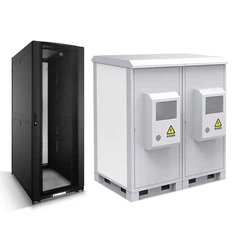
Used in rack-mounted PDUs and busbar distribution modules. These applications require compact designs and high standards for temperature rise and long-term stability; customized nickel-plated busbars help minimize maintenance issues.
03
High- and Low-Voltage Electrical Equipment
Used for main and branch circuits within switchgear and power distribution cabinets. Bare copper busbars are frequently employed in dry, indoor enclosures to facilitate high-current distribution.
04
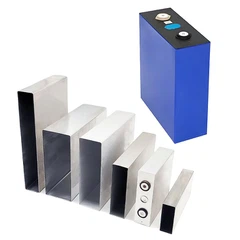
Energy Storage Systems and Industrial Power Supplies
Used for internal power connections in energy storage converters and high-power industrial power supplies. Customizable multi-branch configurations enable efficient multi-channel current distribution.
05
Frequently Asked Questions for OCP Data Center Power Distribution Busbar
1. How do I choose between bare copper busbars and nickel-plated or zinc-plated copper busbars?
-
The choice depends primarily on the operating environment. Bare copper busbars are preferred for dry indoor environments where extremely low contact resistance is required. For environments with humidity or a need for long-term oxidation resistance, nickel-plated or zinc-plated busbars are recommended. Specific choices can be finalized based on project conditions and equipment requirements.
2. What information is required for custom copper busbars?
-
Typically, you need to provide dimensional drawings (including length, width, thickness, hole locations, and bending angles), current-carrying requirements or equipment model numbers, surface finish specifications, and details regarding quantity and delivery timelines. Providing information on specific installation space constraints or environmental conditions helps in optimizing the solution.
3. Do you support small-batch production or prototype manufacturing for copper busbars?
-
Yes. We have flexible manufacturing capabilities that allow for prototype validation before proceeding to mass production, helping engineering teams reduce risk during the design verification stage.
4. How do you ensure compatibility with equipment interfaces?
-
We employ strict dimensional tolerance controls and drawing verification processes to ensure that hole locations, flatness, and bending angles meet design specifications. Technical consultation and verification prior to installation can also be provided if necessary.
5. Is the electrical conductivity of plated copper busbars affected by the coating?
-
Proper nickel or zinc plating processes control coating thickness and uniformity, protecting while minimizing the impact on electrical conductivity. In actual application, contact surface treatment and installation torque are equally important; we recommend adhering to engineering standards during installation.
contact us
We welcome the submission of your Copper Ground Bus Bar drawings, material specifications, and equipment application requirements. Our engineering team can assist in evaluating structural manufacturability, fabrication processes, and surface treatment options to provide customized copper busbar solutions tailored to the needs of your OEM electrical equipment projects. From sample approval to volume supply, and from technical communication to installation feedback, we apply an engineering mindset throughout the entire process, helping customers minimize on-site rework and potential system risks.
Hot Tags: Custom Bus Bars, Custom Copper Busbars, Bare Copper Busbar, Nickel Plated Copper Busbar, Zinc Plated Copper Busbar, Power Distribution Busbar, Copper Busbar Manufacturer
You Might Also Like


Send Inquiry