











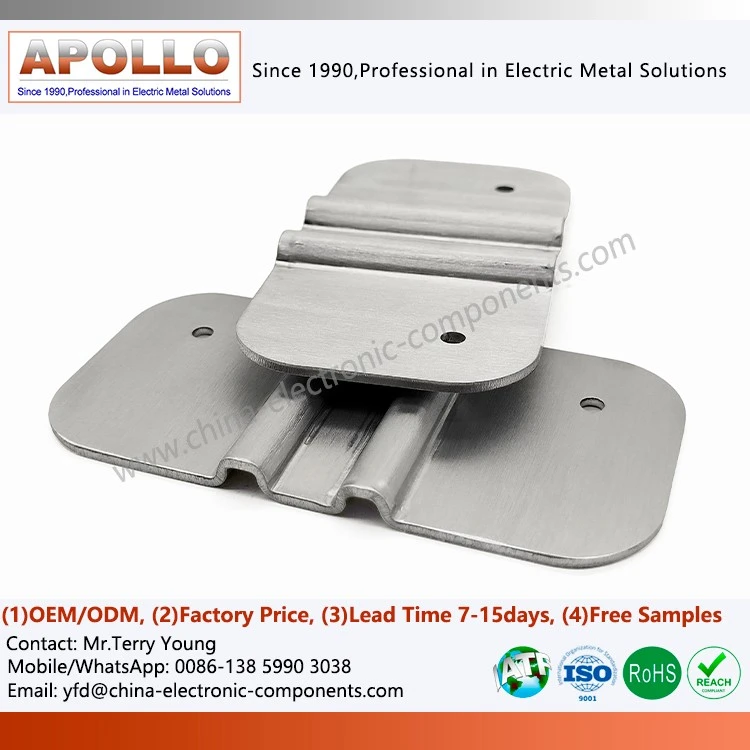
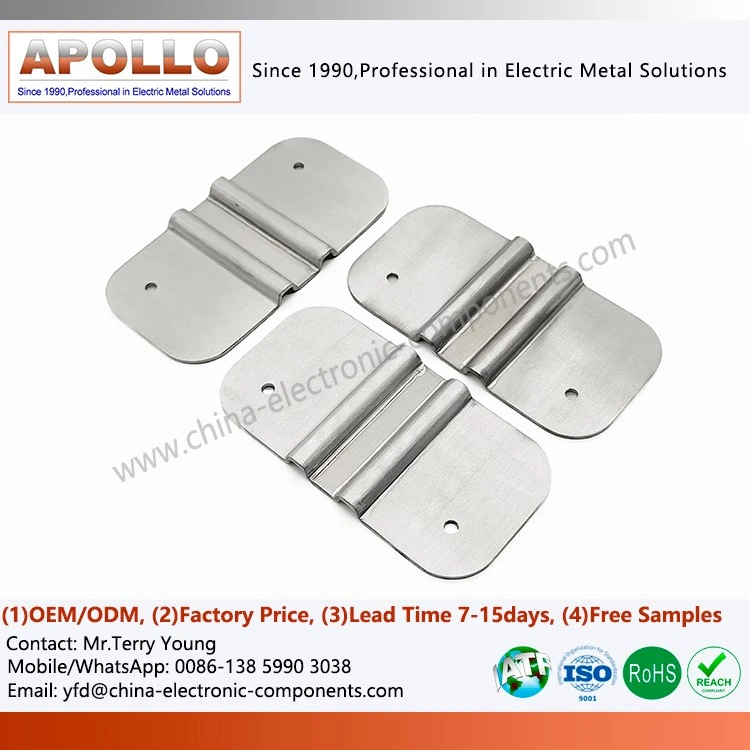
Aluminum Power Distribution Bar
Products Description

An aluminum power distribution bar is a conductive connector made of aluminum or copper-aluminum composite materials, primarily used for high-voltage current transmission, equipment power distribution, and energy distribution between modules. Its core function is to replace traditional cables, achieving a more stable, compact, and efficient current connection solution.
Based on different structural forms, it can be divided into:
Aluminum Busbar
Copper Aluminum Busbar
Laminated Busbar
Flexible Busbar
Insulated Busbar
High Voltage Busbar
Among them, copper-aluminum busbars, through copper-aluminum composite connection technology, combine the high conductivity of copper with the lightweight advantages of aluminum, and are particularly widely used in the new energy industry.
Application Advantages
| Lightweight Retrofitting of Distribution Cabinets and Switchgear | In low-voltage switchgear such as MNS, GCS, and GGD, replacing copper busbars with Aluminum Busbar Electrical Power Connectors reduces the weight of a single cabinet busbar by 40%-50%, simultaneously optimizing cabinet transportation costs and on-site installation labor costs. The value of lightweighting is particularly pronounced for temporary power distribution systems that require frequent relocation. |
| New Energy Inverters and Substation Busbars | The DC and AC busbars of photovoltaic inverters and wind power substations, utilizing a copper-aluminum composite structure, can be expanded without increasing the cabinet's load-bearing capacity. The atmospheric corrosion resistance of the aluminum substrate (combined with anodizing) also makes it suitable for the harsh environment of outdoor substations. |
| Heat Optimization for Data Center Busbars | Data center busbars have extremely high requirements for heat dissipation density. The high heat dissipation coefficient of Customized Aluminium Busbars, combined with the high conductivity of the copper layer, can increase current carrying capacity by 15%-20% under the same temperature rise limit, or reduce operating temperature under the same current carrying capacity, extending the life of insulation materials. |
| In load-sensitive scenarios | such as rail transit and ships, auxiliary power cabinets for high-speed trains, and power distribution boards for ships have strict budgets for every kilogram of weight. System-level weight reduction in Aluminium Bus Bars for Cell Connections directly translates into increased payload or range, while their copper-aluminum composite terminals ensure reliable connections to onboard copper equipment. |

Material Advantages: Exploring the Essence of Conductivity at the Atomic Level
In B2B industrial procurement, the underlying logic of materials determines the product lifecycle. Our 6061 aluminum bus bar products possess irreplaceable inherent advantages in their material composition:
High-purity aluminum-based lattice optimization: We select high-conductivity aluminum alloys and significantly reduce the impact of lattice distortion on electron scattering by strictly controlling the content of impurity elements. Compared to ordinary aluminum, its conductivity is significantly improved, and its effective current-carrying capacity under the skin effect is stronger.
Metallurgical bonding of copper-aluminum interface: For copper-aluminum busbars, we abandon traditional mechanical pressing or brazing and adopt solid-state metallurgical composite technology. Atomic-level diffusion is achieved at the copper-aluminum interface, forming an extremely thin transition alloy layer. This avoids the thickening growth of brittle intermetallic compounds (IMCs) and eliminates macroscopic contact gaps, reducing the interface resistance to the micro-ohm level.
Passivation design to resist galvanic corrosion: To address the potential for galvanic corrosion caused by the copper-aluminum potential difference, we introduced a passivation isolation mechanism during the material composite and surface treatment stages to ensure that the bimetallic interface remains highly chemically inert in extreme environments such as humidity and salt spray.

Detailed Showcase: Human-Centered and Engineering-Focused Considerations
Full Radius Edge
Edges undergo precise chamfering to effectively prevent sharp-point discharge and protect on-site workers from scratches.
Insulation Options
Flame-retardant, high-voltage resistant co-extruded insulating tubing, heat-shrink tubing, or epoxy resin electrostatic spraying (withstanding voltages up to tens of kilovolts) can be integrated according to project requirements.
Precise Marking
Each batch of aluminium flat busbar for switchgear supports laser marking, clearly indicating the batch, material, and specifications, ensuring complete industrial traceability.

contact us
We not only provide standardized Aluminum Electrical Busbar products, but also offer integrated engineering support based on customers' high-voltage platform structure, current design, and assembly process requirements. This support ranges from conductivity optimization and copper-aluminum composite process development to mass production and delivery, helping new energy projects achieve more efficient and stable system integration.

Hot Tags: aluminum power distribution bar, China aluminum power distribution bar manufacturers, suppliers, factory, Flexible Aluminium Connection, Flexible Aluminium Connections, 6061 Aluminum Busbar, Tin Plated Aluminum Bus Bar, Bus Bar Aluminium, 6101 Aluminum Bus Bar
You Might Also Like


Send Inquiry